

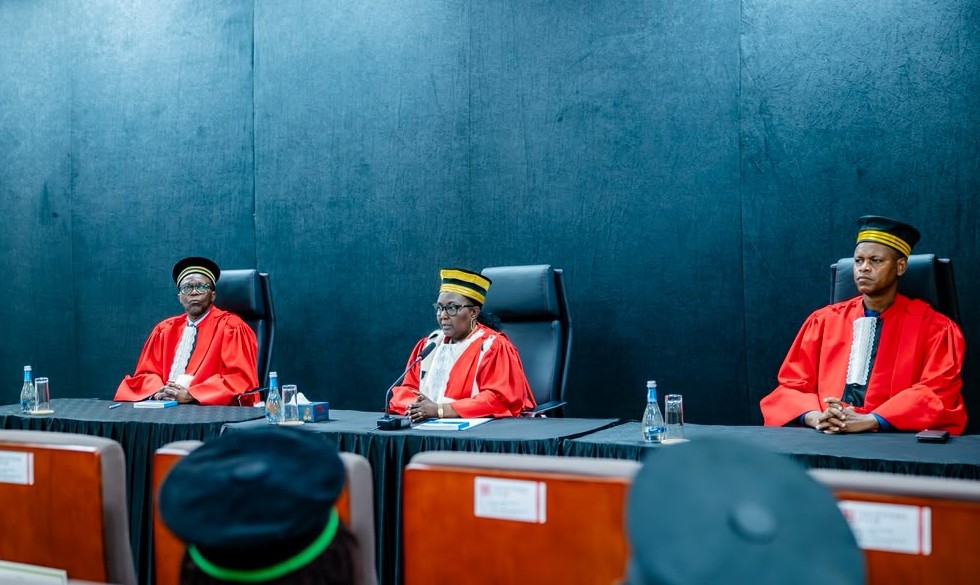
Rwanda’s newly appointed judges and court registrars have been urged to make court services more accessible by handling cases efficiently, treating citizens respectfully and avoiding unnecessary delays.
Chief Justice Domitilla Mukantaganzwa delivered the message on Thursday, October 15, 2026, during the swearing-in of seven judges and eight registrars taking up new responsibilities in primary courts.
Mukantaganzwa, who chairs the High Council of the Judiciary, said primary courts play a central role in resolving disputes because they handle many of the cases brought by citizens.
She urged judicial officers to ensure that people seeking justice are not sent from one office to another unnecessarily or subjected to procedures that do not serve a clear purpose.
The Chief Justice also warned against corruption, favouritism and personal bias, saying judges must base their decisions on the merits of each case rather than outside influence or personal feelings.
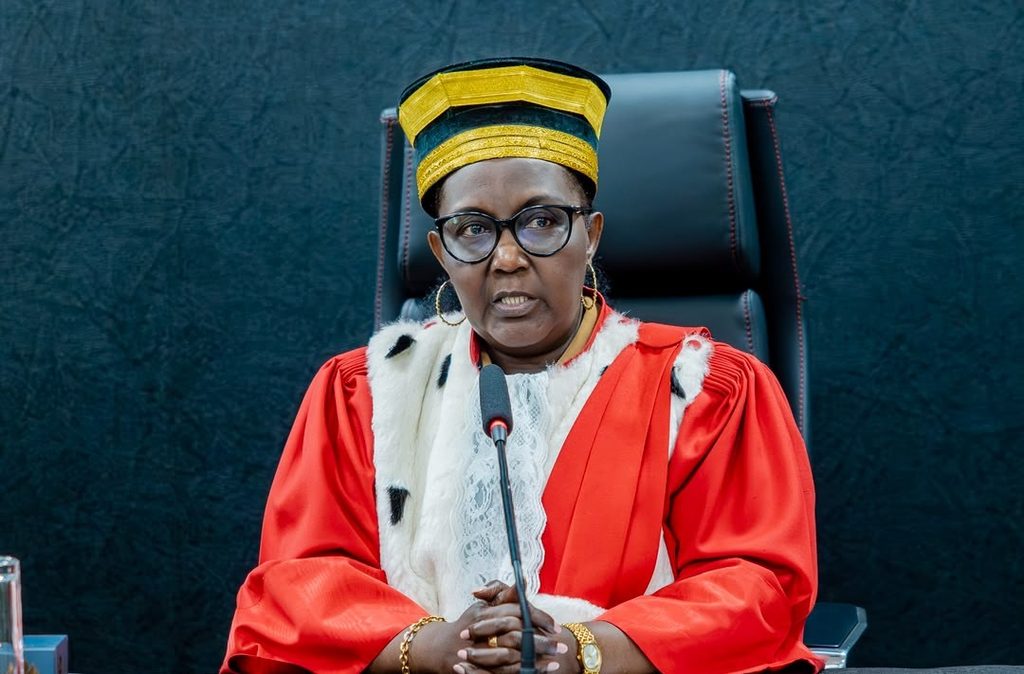
She said judicial employees who fail to uphold professional standards risk undermining the administration of justice. Some have previously faced sanctions for misconduct, including corruption, favouritism and incompetence, she added.
Mukantaganzwa encouraged the new officers to consult their superiors when faced with unfamiliar matters, rather than make mistakes that could affect litigants or lead to further legal disputes.
She also said those who demonstrate integrity and transparency could be entrusted with greater responsibilities in higher courts. Their families, she added, should support them while respecting the independence of their professional duties.
New appointees commit to timely justice
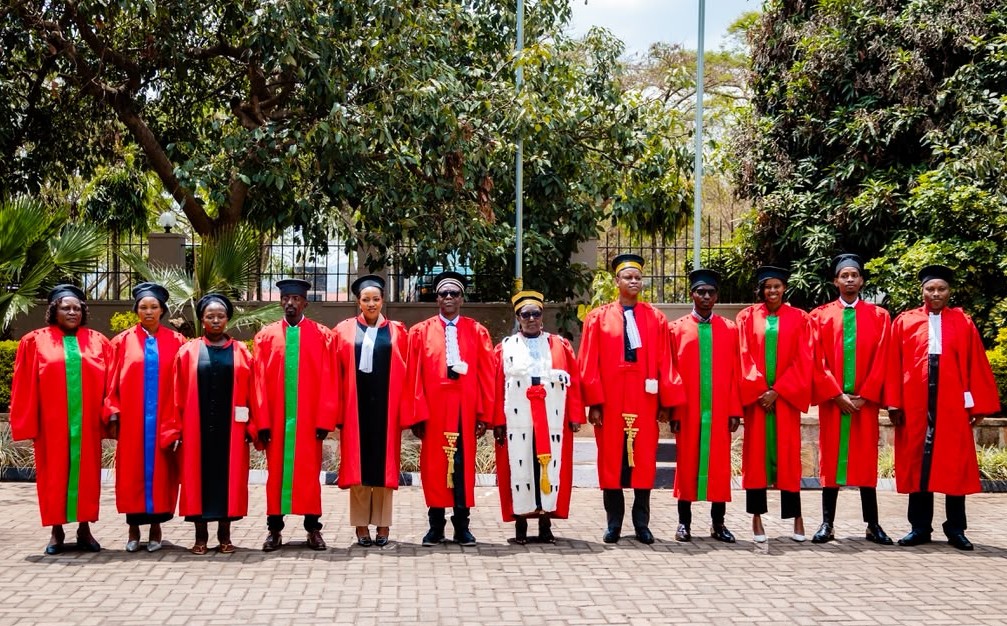
Jean de Dieu Mukunzi, who is to serve at Kagano Primary Court in Nyamasheke District, said he would work to ensure that cases are handled transparently and without unnecessary delays.
He said postponements can inconvenience citizens, particularly when proceedings are deliberately delayed.
Seraphine Ruseti, appointed as a court registrar, said she would listen to people seeking court services to understand their requests and help them receive appropriate assistance.
Théophile Ntezimana said the officers intended to promote a conciliatory approach to justice, reflecting Rwanda’s tradition of resolving disputes and reconciling people.
Mukantaganzwa said the work of primary courts has implications for the wider judiciary, including higher courts that hear appeals. She urged the new officers to recognise the responsibility that comes with serving citizens at the first level of the court system.