
As Rwanda seeks to attract more investment through carbon markets, the government says communities involved in protecting forests and other natural resources should receive a share of the money generated by the projects.
Environment Minister Dr Bernadette Arakwiye said the country’s national carbon market framework includes revenue-sharing provisions for relevant land-based projects, with approximately 30 per cent of revenue designated for communities.
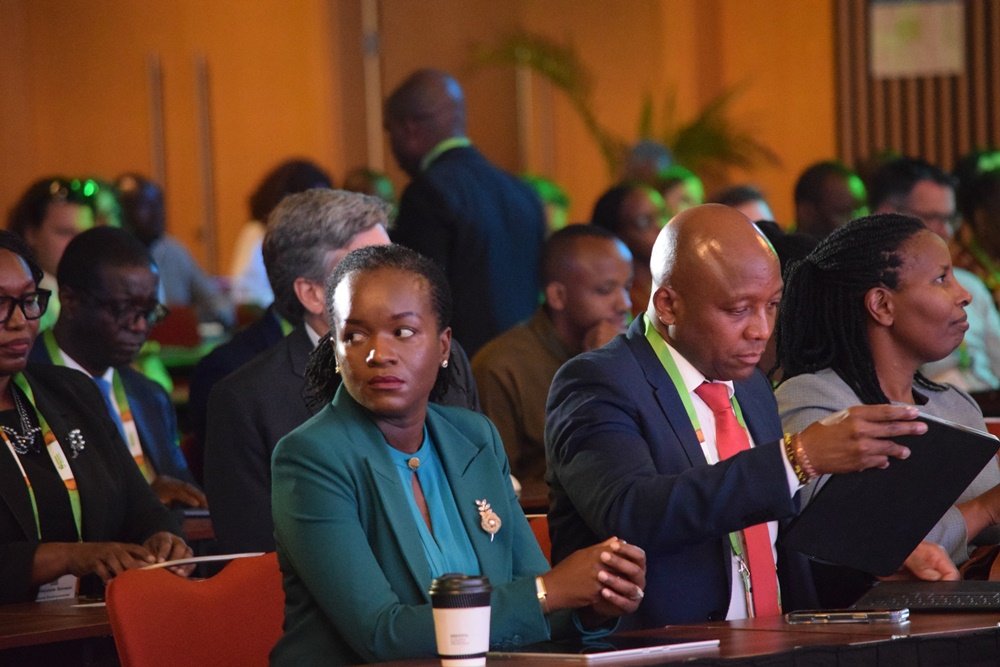
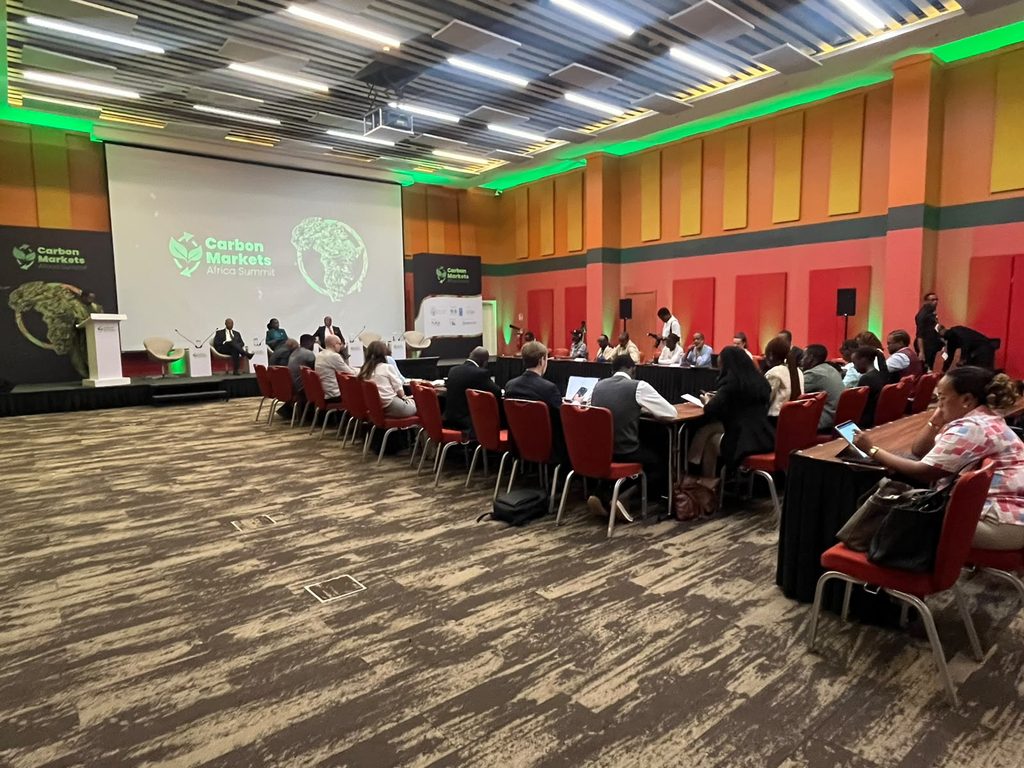
She made the remarks during a press conference at the Carbon Markets Africa Summit in Kigali, where speakers discussed how carbon trading can support climate action while delivering benefits to the people who help protect the environment.
Arakwiye said the revenue-sharing arrangement had been developed with consideration for market conditions and Rwanda’s national context, with the aim of ensuring that communities benefit without undermining the financial viability of projects.
Maxwell Gomera, UNDP Resident Representative in South Africa and Director of the UNDP Africa Sustainable Finance Hub, said discussions about carbon markets could lose sight of the people whose work contributes to conserving forests and other natural resources.
“We are trying to reduce emissions and to fight climate change,” Gomera said, calling for climate projects that combine credible emissions reductions with appropriate financing and transparent arrangements for distributing revenue.
The discussion comes as Rwanda works to develop its carbon market as a potential source of finance for climate action. The government has identified sustainable landscape management, climate-smart agriculture and climate-resilient infrastructure among its priorities.
These areas include landscape restoration, improved irrigation, better post-harvest management and waste management, alongside opportunities in solar energy and electric mobility.
Arakwiye said Rwanda had established a national carbon market framework to guide developers through project registration, approval and the issuance of carbon credits. The framework also clarifies the responsibilities of institutions involved in the process.
The minister said clearer procedures and access to technical assistance could help prevent unnecessary delays as Rwanda gains experience in the developing carbon market sector.
The country’s third Nationally Determined Contribution targets a 53 per cent reduction in net greenhouse gas emissions by 2035 against a business-as-usual scenario. Implementing the plan is estimated to cost $12 billion through 2035, including climate mitigation and adaptation.
Rwanda is also working with Singapore on carbon trading under Article 6.2 of the Paris Agreement. The cooperation includes project eligibility criteria and a joint committee intended to protect the integrity of international carbon-credit transactions and help prevent double counting.
Gomera said carbon markets needed clear requirements and predictable approval timelines to attract investment, while maintaining credible standards.
The challenge for Rwanda will be to ensure that the money generated by carbon projects supports climate action and reaches the communities whose participation helps make those projects possible.