
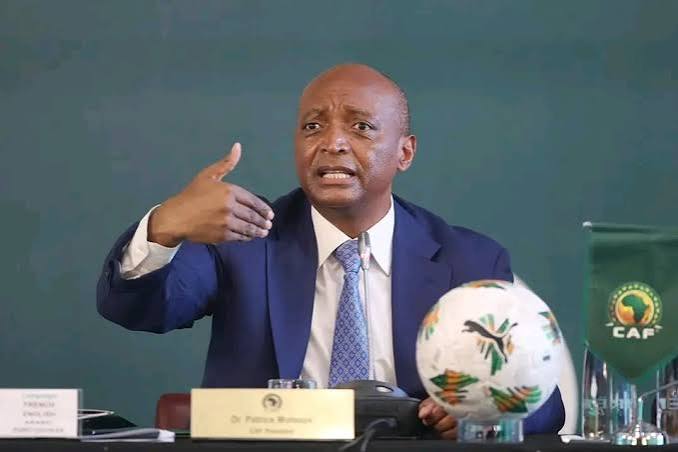
The Confederation of African Football (CAF) has increased its annual funding for each of its 54 member associations by 33%, raising the allocation from $525,000 to $700,000 as part of efforts to strengthen football development and administration across the continent.
CAF President Patrice Motsepe announced the increase on Wednesday, October 14, following a strategy conference that brought together African football leaders in Cape Verde from October 7 to 9.
Under the revised funding structure, each national association can receive up to $700,000 annually, while CAF’s regional unions will see their allocations rise by 20%, from $750,000 to $900,000 a year.
The African Clubs Association (ACA), which represents clubs across the continent, will also receive an increase, with its annual allocation rising from $400,000 to $500,000.
CAF said the changes form part of its broader effort to improve the capacity and sustainability of national football associations, including their ability to invest in youth and women’s football, strengthen administration and governance, and develop opportunities for players, coaches and referees.
The latest increase builds on a series of funding adjustments introduced since 2021, when each member association received $200,000 annually. The amount was subsequently doubled to $400,000, then raised to $525,000 before reaching the new level of $700,000.
According to CAF, the latest allocation represents a 250% increase compared with the 2021 level.
The funding decision followed discussions at the Cape Verde strategy conference on how to make football structures across Africa more competitive and financially sustainable. The gathering brought together presidents of CAF’s 54 member associations, regional union leaders, national team coaches and other football officials.
FIFA President Gianni Infantino also attended the conference, where discussions included football development and preparations for the 2030 World Cup.
CAF’s announcement comes as FIFA continues to fund development programmes through its FIFA Forward initiative. The global governing body has committed substantial resources to football infrastructure and development projects, although allocations vary according to the programme and funding cycle.
The increased CAF grants are intended to help national associations expand their programmes and strengthen their operations, but the impact will depend on how the funds are managed and invested in football development.