
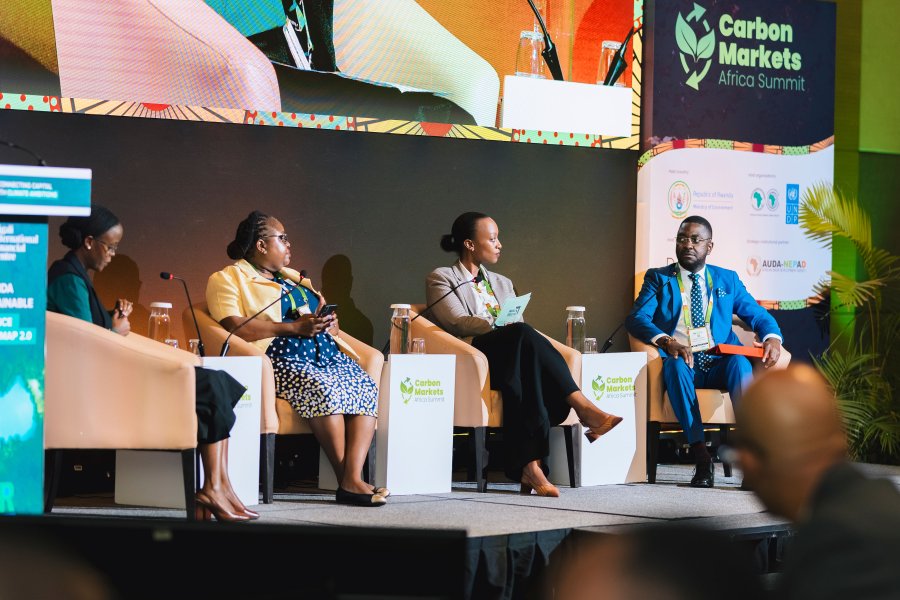
Rwanda is seeking to expand financing options for businesses that struggle to secure conventional bank loans, as a new sustainable finance roadmap aims to channel more capital into green enterprises and sectors critical to economic growth.
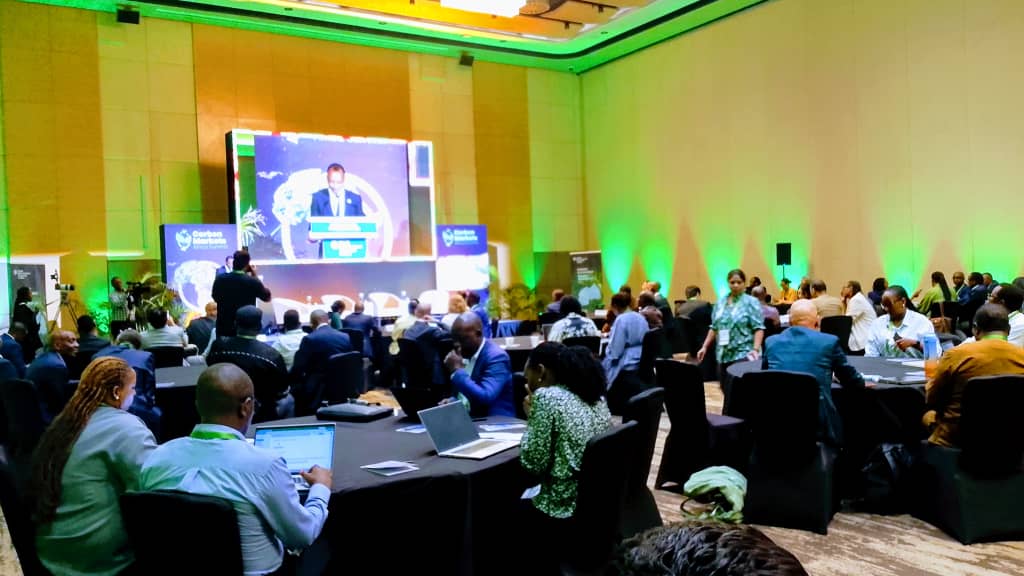
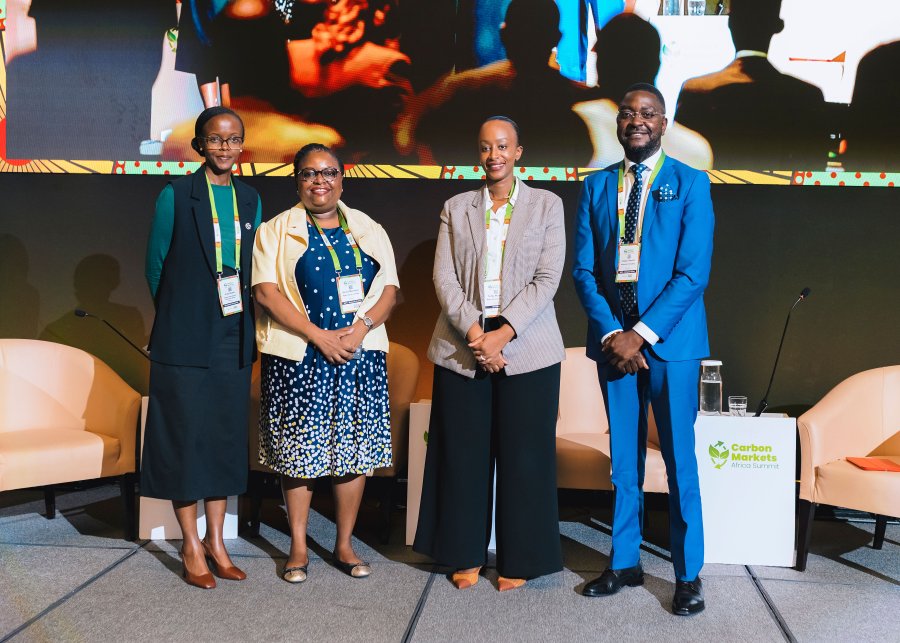
The Sustainable Finance Roadmap 2.0, launched by the Kigali International Financial Centre (KIFC) in Kigali on Thursday during the Carbon Markets Africa Summit, sets out 54 initiatives for implementation through 2030. It builds on a framework introduced in 2022, with a stronger focus on preparing businesses to attract investment and developing financial instruments suited to their needs.
KIFC chief executive Hortense Mudenge said the next phase would focus on turning the framework into measurable economic outcomes, including greater investment in businesses and job creation.
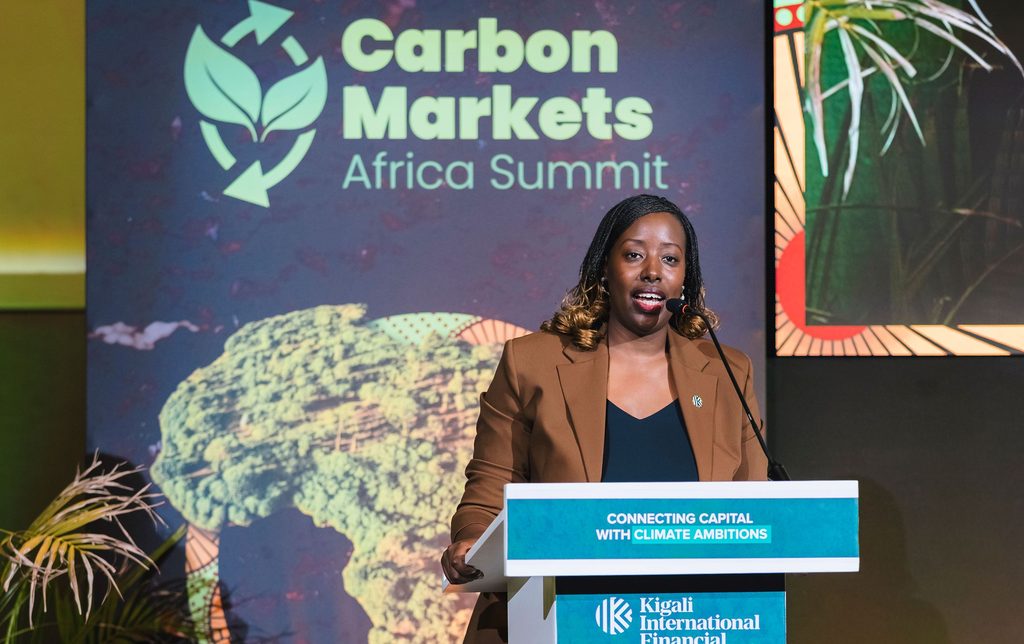
“We will not just be measured by the frameworks we produce, but by increased capital deployment, more investment ready enterprises, stronger private sector growth, greater resilience, and ultimately better jobs,” she said.
Businesses can struggle to qualify for conventional loans because of collateral requirements, limited financial records, high borrowing costs or repayment terms that do not match their income cycles. Agriculture, manufacturing and mining were identified during the discussion as important sectors whose access to debt financing remains limited.
Nick Barigye, Deputy Governor of the National Bank of Rwanda, said these sectors were contributing to the economy but needed alternative sources of funding beyond conventional borrowing.
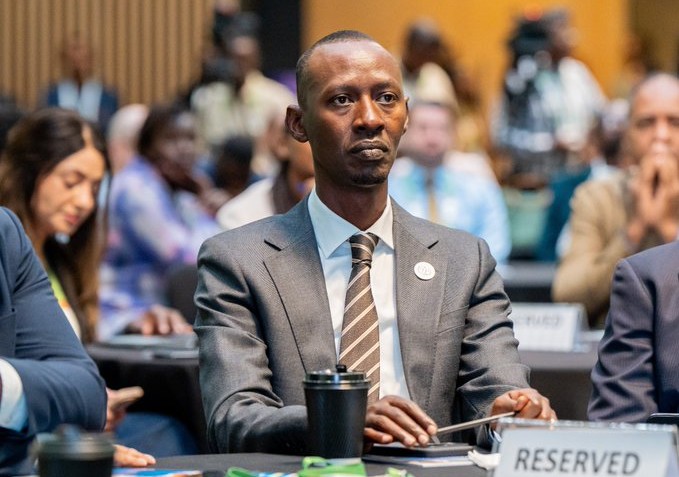
“These are viable businesses. It’s not like they have a business model to prove,” Barigye said, arguing that enterprises with established business models still needed access to other forms of capital when traditional lending was not reaching them.
He urged the National Bank of Rwanda, the Capital Market Authority, the Rwanda Stock Exchange, KIFC and the Rwanda Green Fund to take the roadmap beyond conference rooms and explain its opportunities directly to businesses.
“Let’s get out of these conference rooms and go in the marketplace, collectively,” he said.
Barigye also highlighted transaction costs as another obstacle for businesses seeking financing. He said resources were available through Ireme Invest to help enterprises navigate the process.
Eric Picard, chief strategy officer at Access to Finance Rwanda, said the country already had several sources of capital, including banks, growing pension and insurance assets, and international climate funds.
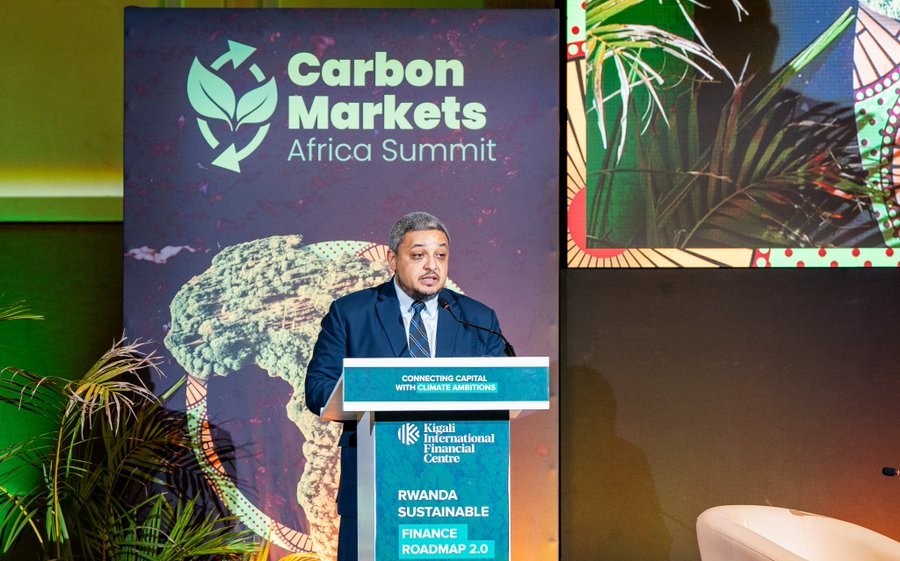
“The task is now to bring this money closer to businesses,” Picard said.
One response is to expand the range of financial instruments available to green businesses. Teddy Mugabo, chief executive of the Rwanda Green Fund, said its Ireme Invest initiative combines support for project development with lending through the Development Bank of Rwanda (BRD).
The project development facility provides grants and recoverable grants to help businesses test innovations and develop their models. The credit facility offers loans at an interest rate of 12%, alongside guarantees and loan tenors of up to 12 years, Mugabo said.
She added that the Green Fund was preparing to establish an investment arm that could help address a further gap: businesses that need equity rather than additional debt.
BRD is also using partial credit guarantees to help enterprises that lack sufficient collateral. A bank representative said every dollar provided through the guarantee facility unlocks twice that amount in financing from participating financial institutions. Women accounted for 40% of beneficiaries during the facility’s first six months, the representative said.
The roadmap also seeks to make sustainable finance easier for smaller businesses to understand. Participants pointed to the need for practical guidance, stronger financial records and governance, and training to help enterprises demonstrate their readiness for investment.
The Rwanda Green Taxonomy, which classifies activities considered environmentally sustainable, is also being translated into Kinyarwanda to make it more accessible, a panel participant said.
The roadmap includes measures to expand financing options for businesses, from project-development grants and credit guarantees to longer-term loans. The Rwanda Green Fund is also preparing an investment arm to support enterprises seeking equity rather than additional debt, Mugabo said.