

Rwandan housing officials are examining Zimbabwean housing estates and infrastructure systems to identify approaches that could inform affordable and more sustainable urban development at home.
The six-day visit includes planned tours of Dzivaresekwa Extension, Madokero and Knock Mallock, where the delegation is expected to study housing delivery models involving government and private developers, as well as technologies for managing water and converting waste into useful products.
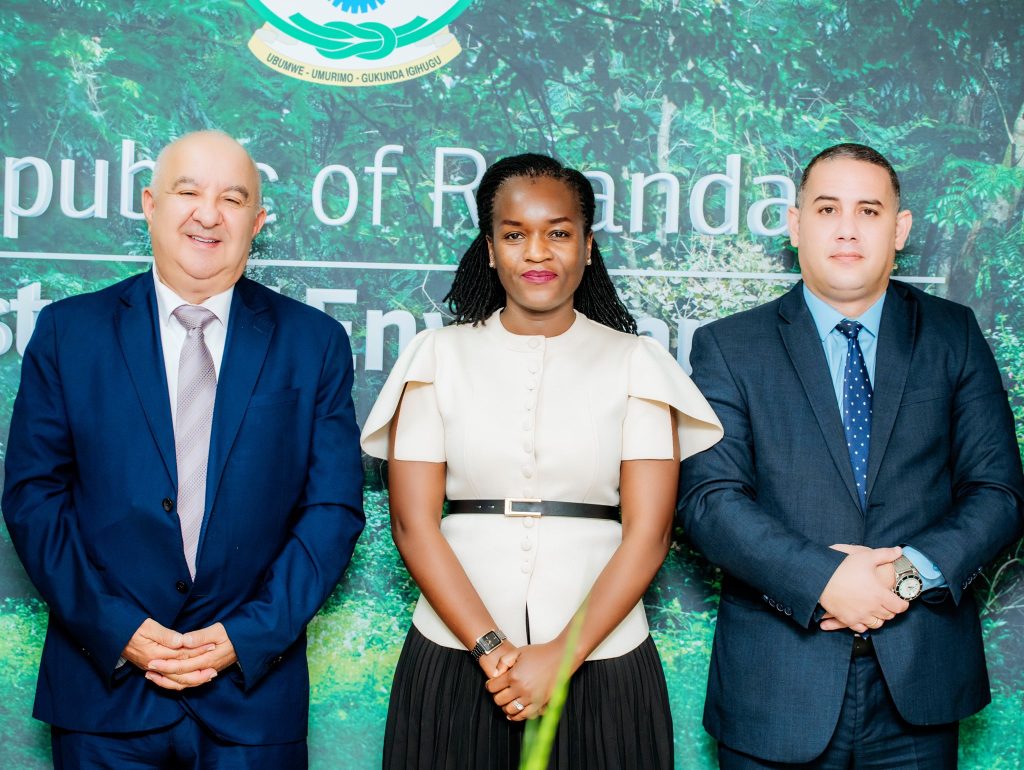
The delegation met Zimbabwe’s Minister of National Housing and Social Amenities, Professor Paul Mavima, in Harare on Wednesday, October 14. It is led by Noel Nsanzineza, Deputy Director General of the Rwanda Housing Authority (RHA).
Nsanzineza said the programme would look beyond construction itself to consider the wider housing process, including building materials, financing, private-sector partnerships and maintenance.
For Rwanda, the lessons could be relevant to a housing challenge that officials estimate requires about 150,000 additional housing units each year. The government supports private developers by subsidising infrastructure such as internal roads, electricity and water to help reduce the cost of housing projects.
The delegation is also examining how different financing arrangements can support delivery. Rwanda currently uses a public-private partnership approach and is considering the possibility of establishing a National Housing Fund, Nsanzineza said.
Zimbabwe, meanwhile, wants to draw on Rwanda’s experience in housing delivery and institutional development. Mavima said his country is also learning from Kenya and Botswana as it considers changes to its Urban Development Corporation.
The exchange is taking place under a memorandum of understanding on sustainable, affordable and functional low- to medium-cost housing and new building technologies, signed by Rwanda and Zimbabwe on May 16, 2023.
Zimbabwe is expected to share its Human Settlements Policy and demonstrate housing projects featuring technologies such as biodigesters and localised water systems. These approaches form part of the practical experience the Rwandan delegation will examine during the visit.
The team also includes Emmanuel Ahabwe, Head of Social and Affordable Housing Development at RHA, and Eric Kananga, a senior urban development economist and focal point for the housing memorandum. The programme includes consultations with Zimbabwean government agencies and private-sector stakeholders.