
Africa is looking to private investors to help close an estimated $100 billion annual financing gap in agriculture, as governments and development institutions seek to unlock the sector’s potential to drive economic growth and improve food security.
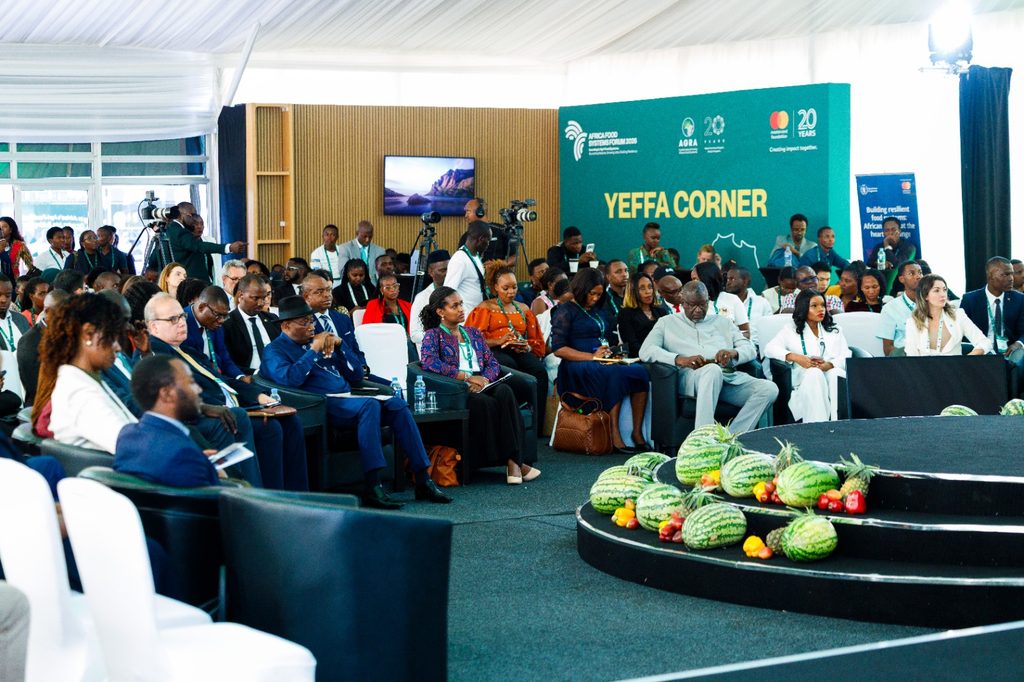
The funding challenge was a major focus Tuesday at the opening of AFS Forum 2026, where investors, financial institutions, development experts and agriculture officials discussed ways to attract more capital into the sector.
A 2025 Boston Consulting Group report estimates Africa needs about $200 billion a year for its food systems, including $49 billion for food-system programs. The financing gap could vary depending on factors such as the cost of responding to climate change.
Participants said increasing funding alone will not solve the problem. Farmers and agricultural businesses also need infrastructure, technical support, access to markets and financial products designed around the risks and income cycles of farming.
The International Fund for Agricultural Development said blended finance, which combines development funding with private capital, could help reduce risks for investors and encourage greater private-sector participation.
IFAD plans to mobilize nearly $500 million in private investment through a program targeting small and medium-sized businesses, smallholder farmers and financial institutions operating close to agricultural production.
Alexander Mazzucano of the United Nations Capital Development Fund said financial support should be tailored to the size and capacity of agricultural businesses.
“Very small businesses may need grants,” he said, while larger enterprises may require guarantees to reduce investment risks before accessing commercial finance.
A Green Climate Fund representative, Forchi, said stronger partnerships with local banks could help extend financing to more farmers because domestic lenders are closer to agricultural businesses and traders.
He cited a Tanzania project that combined technical assistance, credit, risk guarantees and weather-indexed insurance. The model has the potential to mobilize $200 million and has supported more than 1,000 loans.
Young agricultural entrepreneurs said conventional lending can be difficult to access because of high collateral requirements and repayment schedules that do not match farming cycles, where income often comes after harvest.
Rwanda Agriculture and Animal Resources Minister Dr. Telesphore Ndabamenye said better land management can increase agricultural productivity, protect natural resources and strengthen rural communities against climate shocks.
Participants said closing the financing gap will require capital to reach smallholder farmers and agricultural businesses alongside the infrastructure, skills and market access needed to turn investment into higher production and jobs.