

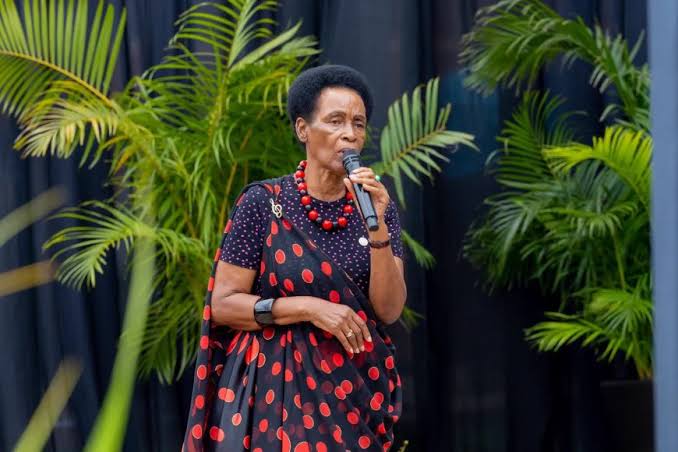
Veteran singer Suzanne Nyiranyamibwa, known for her traditional music and songs commemorating the 1994 Genocide against the Tutsi, has died at the age of 83.
Nyiranyamibwa died on Friday, October 16, 2026, according to an announcement by her family. The family said details of her funeral arrangements would be communicated later. Local media reported that she died following an illness.
She spent more than five decades in music, becoming known for songs including “Telefone ko ititaba”, “Nimuberwe bakobwa” and “Ese Mbaze Nde?” The latter reflected the grief and unanswered questions left by the Genocide against the Tutsi.
Nyiranyamibwa was also among the artists who helped establish Itorero Isamaza, a cultural troupe whose performances used traditional song and dance to support the struggle to liberate Rwanda.
Her life was shaped by exile. In 1973, she left Rwanda amid persecution against Tutsi and moved to what is now the Democratic Republic of Congo before later settling in Belgium.
Despite spending decades abroad, she maintained a strong attachment to her homeland and eventually returned to Rwanda in 2016 to live out her later years.

Her music covered several themes, from traditional culture and patriotic songs to the pain of the Genocide. Through songs such as “Ese Mbaze Nde?”, she helped preserve memories of the tragedy and gave expression to the suffering experienced by survivors.
She also recorded “Ayo ni Amavubi”, a song celebrating Rwanda’s national football team, reflecting the range of subjects that featured in her work.
News of her death prompted tributes from government officials, fellow musicians and the Rwanda Football Federation, many of whom remembered her as both an accomplished artist and a mother figure to younger performers.
Born in 1943, Nyiranyamibwa grew up in a family of nine children and had four children. Her husband died while the family was in exile in the Democratic Republic of Congo.
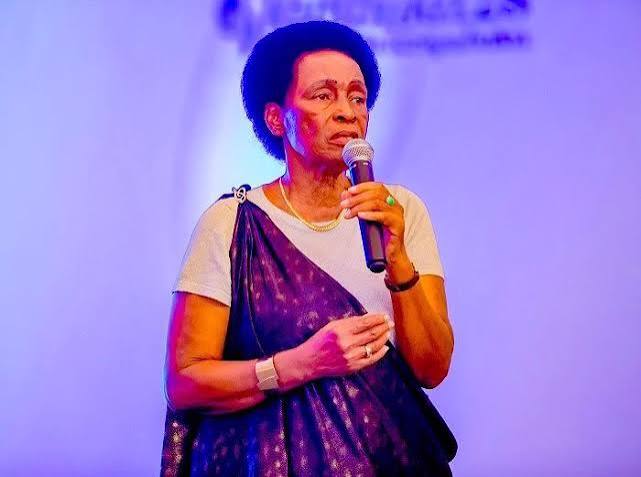
Her career left a body of work rooted in traditional music, national identity and remembrance, connecting generations of listeners to the country’s cultural heritage and history.