
Architects in East Africa are calling for harmonised professional standards to make it easier to work across national borders as the region’s construction and urban development sectors expand.
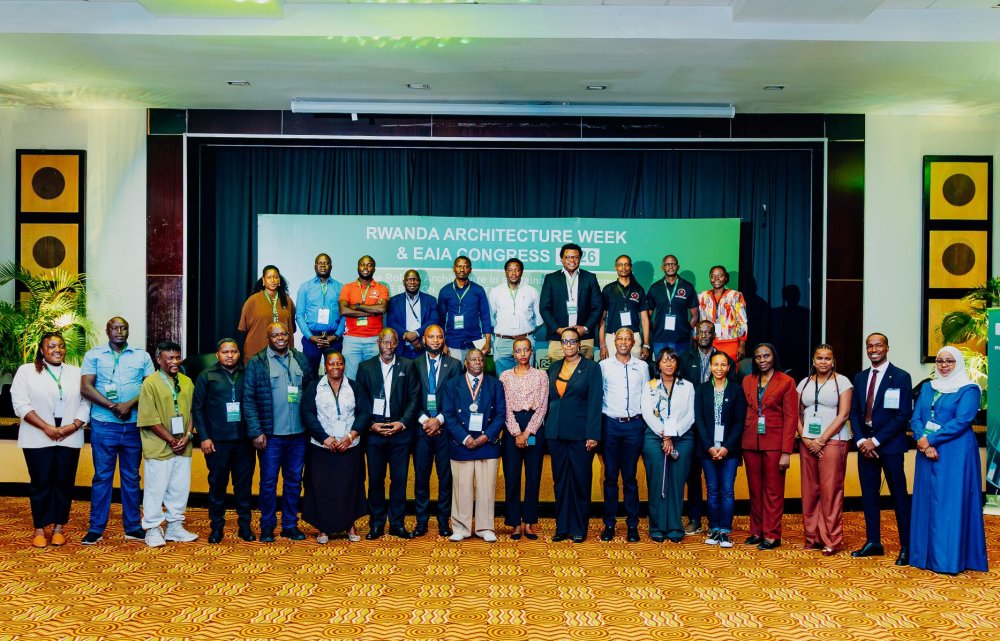
The proposal was raised at a regional architects’ conference in Kigali that began on Oct. 8, bringing together professionals from East African Community member states.
Muhirwa Solange, head of urban planning at the City of Kigali, said aligning registration requirements and professional standards would help qualified architects work across the region without unnecessary barriers.
“We want a registered architect to be able to work in Kampala, Kigali, Nairobi, Dar es Salaam or Juba without obstacles,” Muhirwa said.
The conference was organised by the Rwanda Institute of Architects (RIA) and coincided with Rwanda’s Architecture Week. Rwanda also took over leadership of the East African Institute of Architects (EAIA) from Tanzania for a one-year term.
RIA Secretary-General Kalimba Rugamba Nicolas said architects should be involved throughout construction projects, from initial design to completion.
He warned that overlooking their expertise could lead to delays and buildings with inadequate natural light, ventilation or layouts suited to occupants’ needs. He urged developers and public authorities to ensure architectural expertise was incorporated into projects and building standards were respected.
Architects attending the conference also highlighted opportunities for regional cooperation and professional development.
Tanzanian architect Asmazakia Nyombi said Rwanda could learn from Tanzania’s involvement of young architects in major public projects, while Tanzania could draw lessons from Rwanda’s urban planning, environmental protection and cleanliness.
Inema Munezero, a Rwandan architect with five years of experience, said the profession was gaining recognition as the construction sector grew.
Kenyan architect Yassin Munyanya, who worked with the team involved in designing the Kigali Convention Centre, said regional work offered opportunities but restrictions in some countries continued to hinder foreign professionals.
Established in 2012, RIA has more than 220 members. It registers architects, renews their professional practising status and advises the government and private sector on architectural matters.
Building materials company BFG sponsored the conference and said it planned to open a branch in Rwanda, citing opportunities in the country’s expanding construction sector.