
Millions of ageing coffee trees are being replaced across Rwanda as the country works to raise yields and improve the returns farmers get from their plantations.
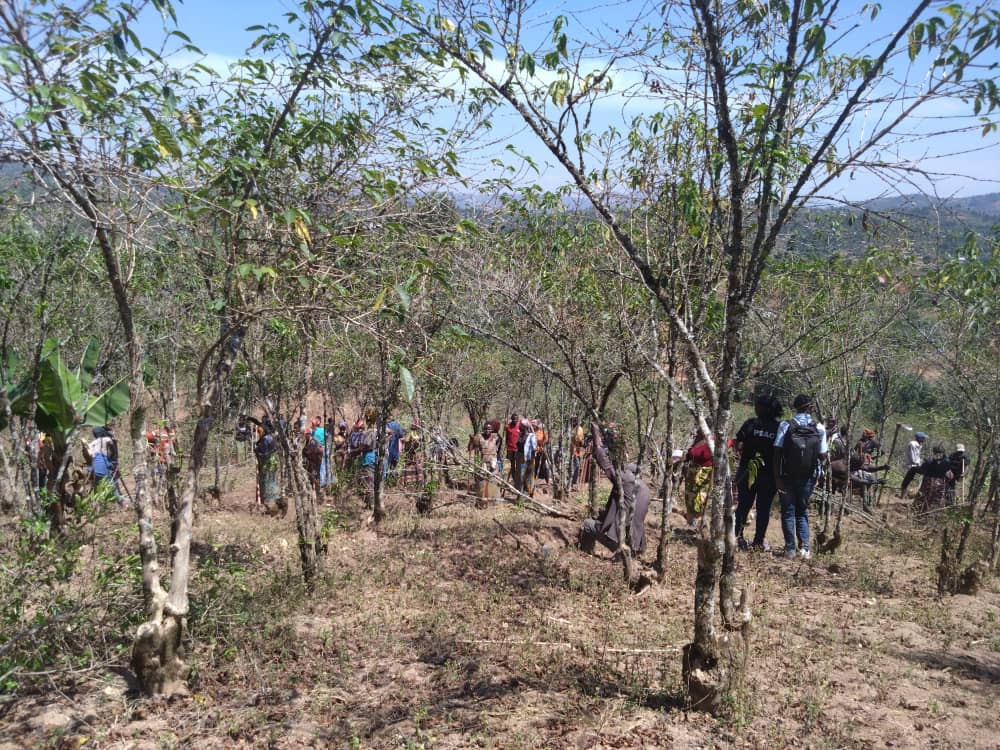
Coffee trees older than 30 years account for a significant share of the country’s plantations, with ageing trees producing less and affecting both farm incomes and the quality of coffee reaching the market.
The National Agricultural Export Development Board (NAEB) is addressing the problem through the Promoting Smallholder Agro-Export Competitiveness (PSAC) project, which is supporting farmers to remove old trees and plant higher-yielding varieties.
The project aims to replace old coffee trees on 3,050 hectares and rehabilitate another 1,082 hectares of plantations with trees aged seven years and above. It is scheduled to run until 2029.
The replacement programme is being implemented in six major coffee-growing districts: Ruhango, Huye, Nyamagabe, Rusizi, Nyamasheke and Karongi.
NAEB says the programme is intended to address declining productivity caused by ageing plantations while improving the quantity and quality of coffee produced by smallholder farmers.
Old trees lose productivity
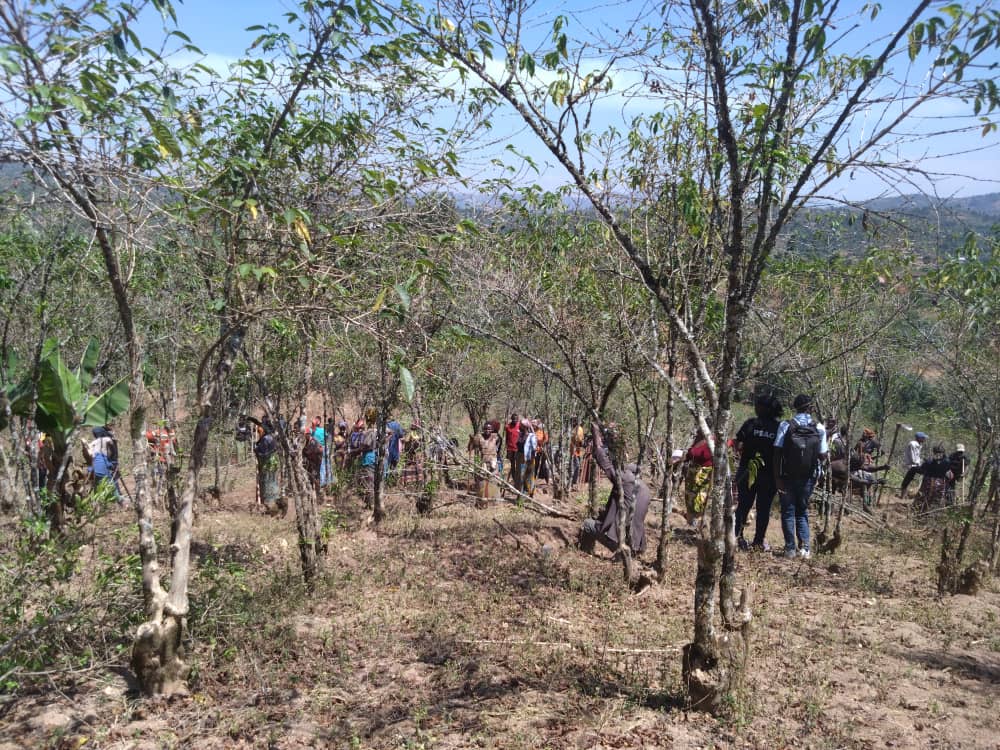
Coffee trees can remain productive for many years, but their yields decline as they age. Rwanda has plantations containing trees that have been in the fields for several decades, including some dating back to the colonial period.
A government assessment in 2015 found that nearly a quarter of the country’s coffee trees were more than 30 years old. The proportion has remained a concern as the plantations have continued to age.
The PSAC programme is therefore using two approaches.
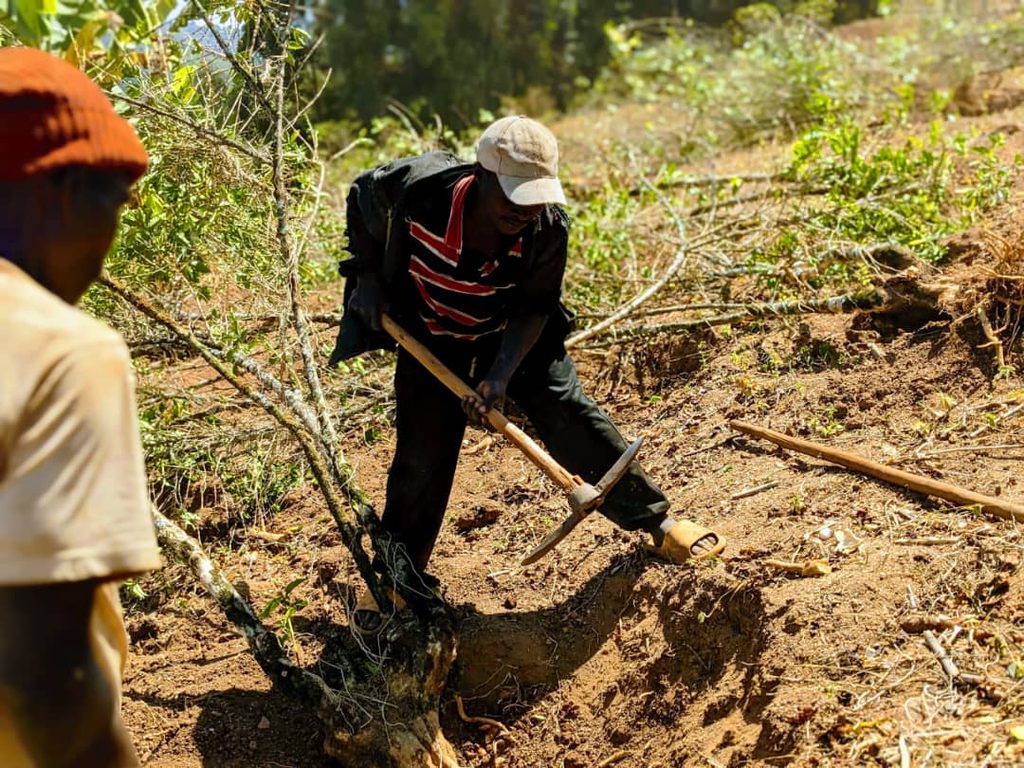
Trees that have passed their productive age are uprooted and replaced with new seedlings. Older but still viable trees are pruned heavily to encourage fresh growth instead of being removed completely.
NAEB says farmers are also encouraged to replace old trees gradually, particularly where they have large plantations, so that they can continue harvesting from the remaining trees while new ones mature.
The rehabilitation work covers trees aged seven years and above and is intended to improve the productivity of existing plantations.
Nine million seedlings planned
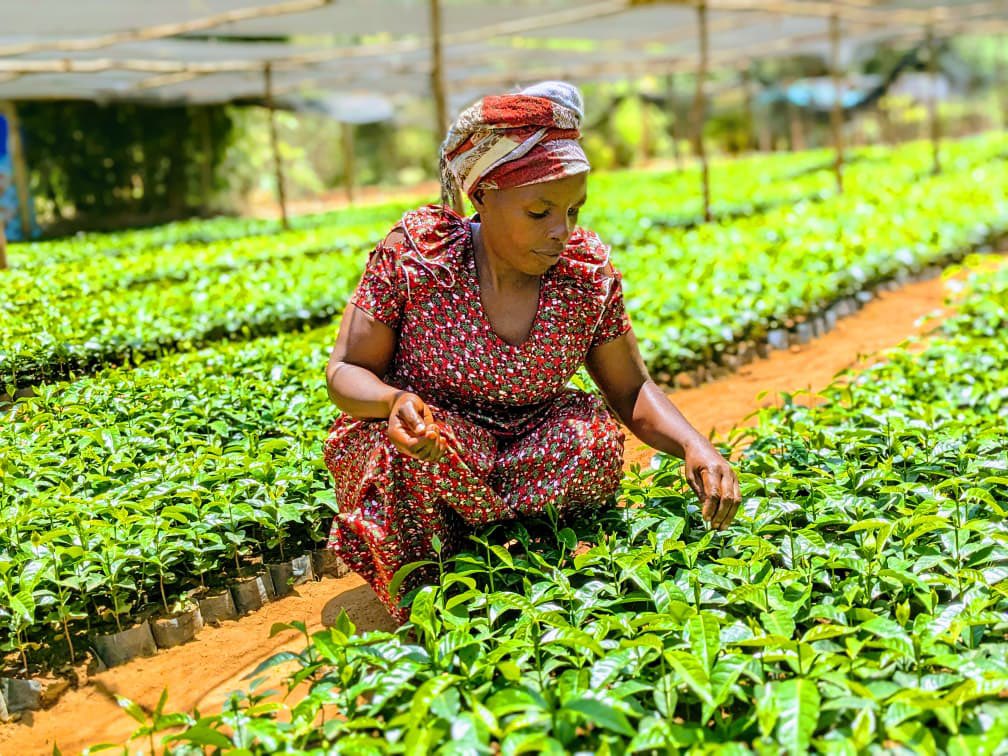
The programme plans to plant about nine million coffee seedlings on the 3,050 hectares targeted for replacement by 2029.
The main variety being introduced is RAB C15, a high-yielding coffee variety released by the Rwanda Agriculture and Animal Resources Development Board in 2015.
The variety starts producing relatively early, with NAEB saying it can begin yielding about 1.5 years after planting. Farmers are also being provided with fertiliser and training on improved coffee-growing practices.
The support includes financial incentives to help farmers with the labour involved in uprooting old trees. By September 2025, PSAC had provided more than Rwf200 million to 3,656 farmers for that work.
NAEB has also supported community groups, particularly women and young people, to produce coffee seedlings, creating income opportunities while supplying the programme with planting material.
By 2026, more than 543 hectares of old coffee plantations had been replaced with high-yielding seedlings, according to NAEB, while additional plantations had been rehabilitated.
The replacement programme is part of wider efforts to increase Rwanda’s coffee production and export earnings. NAEB says coffee remains one of the country’s leading agricultural exports, with more than 113,000 tonnes exported between 2017 and 2023, generating more than $452 million.