

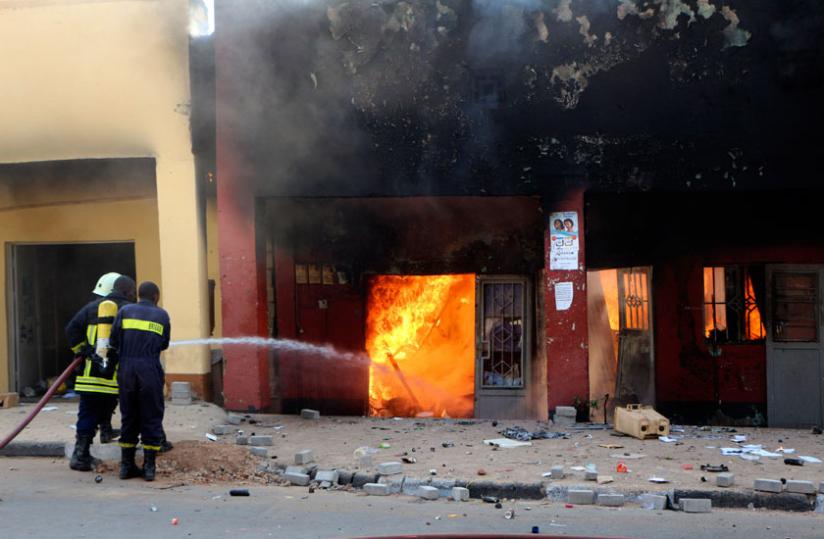
Rwanda is reviewing its firefighting and emergency response capacity after recording 1,380 fires that killed 28 people over the past five years, as authorities seek to prevent losses of lives and property from fires and other emergencies.
The assessment is part of a new project launched Aug. 20 by the Ministry of Internal Security with financial support from Poland through the United Nations Industrial Development Organization, or UNIDO.
The 12-week assessment will examine the country’s fire stations, firefighting vehicles and equipment, infrastructure, staffing and deployment of emergency responders, as well as coordination among institutions during emergencies.
It will cover Kigali and nine districts — Musanze, Nyagatare, Rwamagana, Muhanga, Huye, Rusizi, Rubavu, Kayonza and Gatsibo.
Benjamin Sesonga, permanent secretary at the Ministry of Internal Security, said Rwanda’s growing economy, expanding cities, industries and businesses require the country to regularly assess whether its firefighting systems can keep pace with emerging risks.
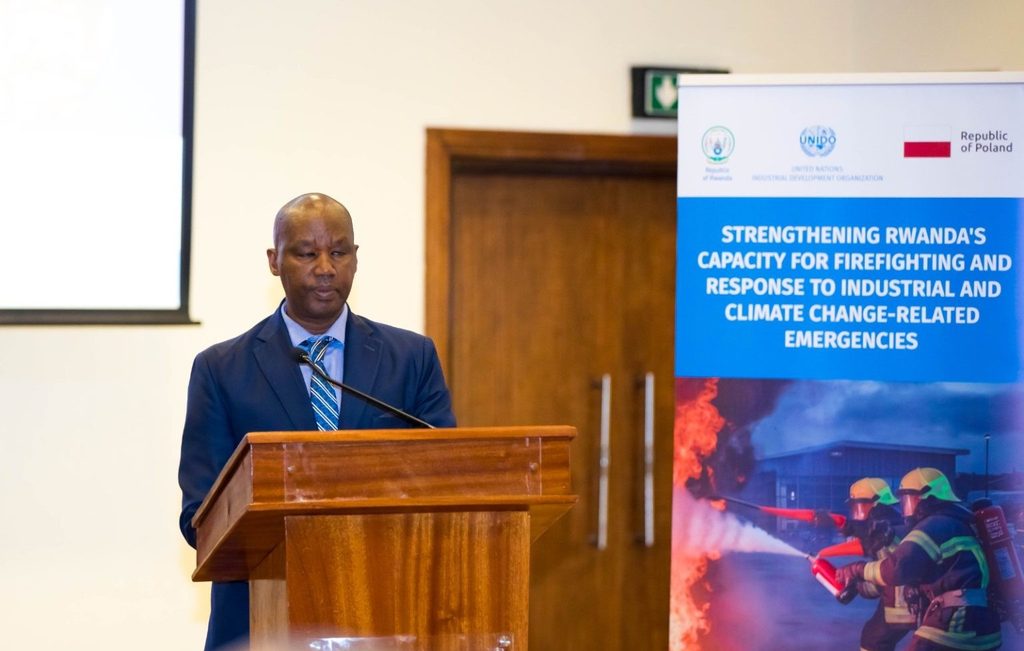
“We have to keep assessing whether our strategies, capacity, equipment, infrastructure, laws, personnel and coordination mechanisms are adequate to respond to fires,” Sesonga said.
He said the cost of fires goes beyond damaged property and financial losses, noting that fires can also claim lives and destroy homes, businesses and investments.
The project will also look at how communities can help prevent fires and provide an early response before professional firefighters arrive.
Sesonga said the Rwanda Police, which plays a central role in firefighting, cannot respond to every incident at the same time or reach every affected community immediately.
“Working with communities can help us reach every citizen,” he said, adding that authorities want to expand training for young volunteers and others who can help with initial emergency response.
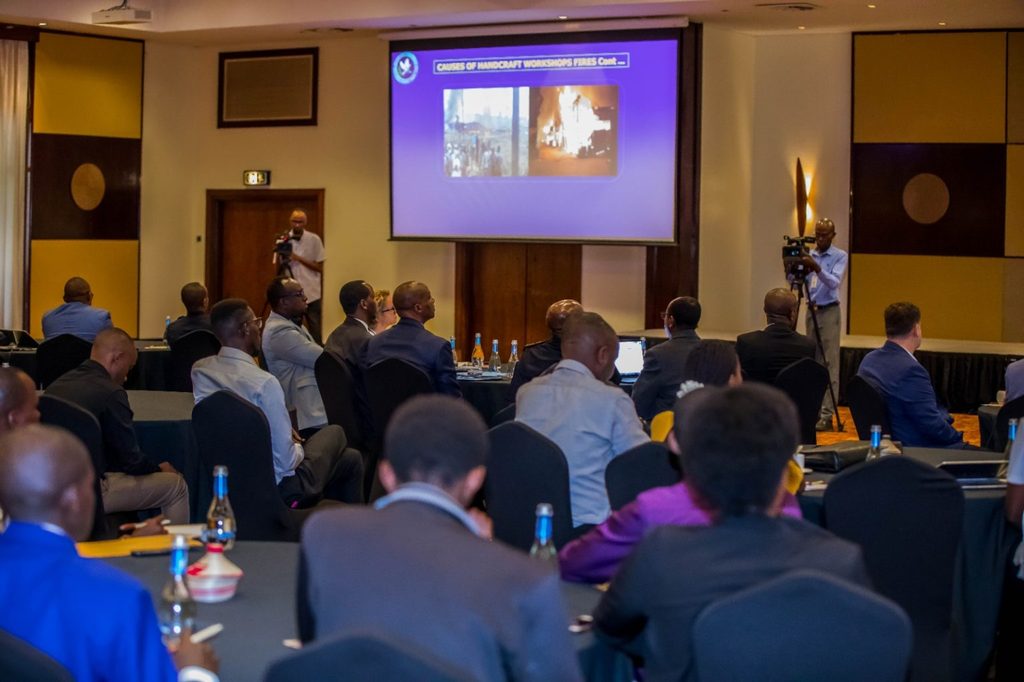
The assessment will examine the distribution of fire stations and identify areas that may be difficult to reach quickly. It will also consider the country’s ability to use modern firefighting vehicles, specialised rescue equipment, communication systems and technology when responding to industrial accidents and disasters linked to climate change.
The project will further assess how volunteers, young people, industrial workers and communities can participate in fire prevention, preparedness and early response.
Jonas Munyurangabo, UNIDO’s representative in Rwanda, said Rwanda’s approach to preparing for potential risks was one reason for the partnership.
“Rwanda is a country that thinks about the future. It does not wait for problems to emerge before looking for solutions,” he said.
The project was first proposed in 2023. A Rwandan delegation visited Poland in September that year to study firefighting and emergency response systems, including the role of volunteers.
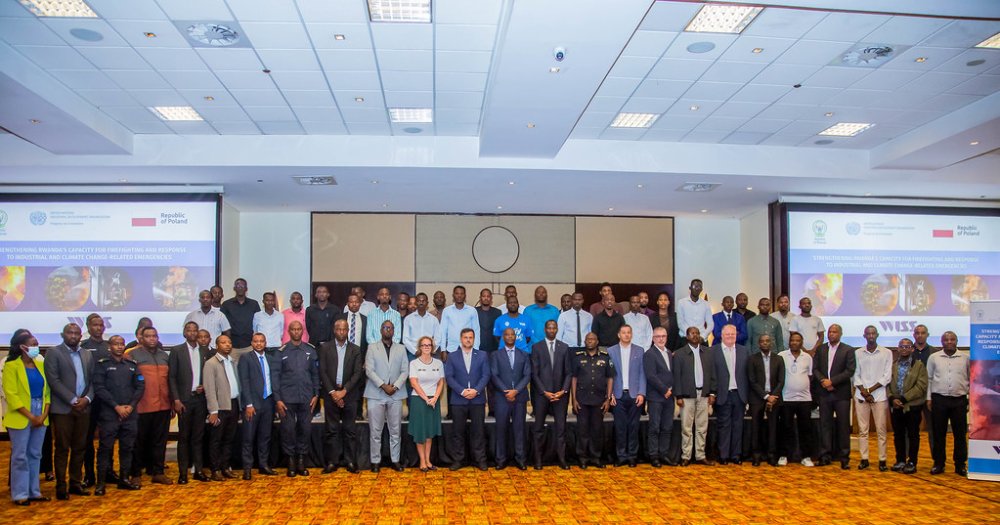
Michal Fedek, export manager at Polish firefighting vehicle manufacturer WISS, said the team conducting the assessment would review Rwanda’s laws, plans and response capacity and compare them with experience from similar projects in other countries.
The Rwanda Police says more than 90,000 people have so far been trained in fire prevention and response.