
The Shaping Future(s) programme aims to train more than 375 creative professionals in Rwanda, offering mentorship, grants and artistic residencies under a 30-month initiative designed to make careers in the sector more sustainable.
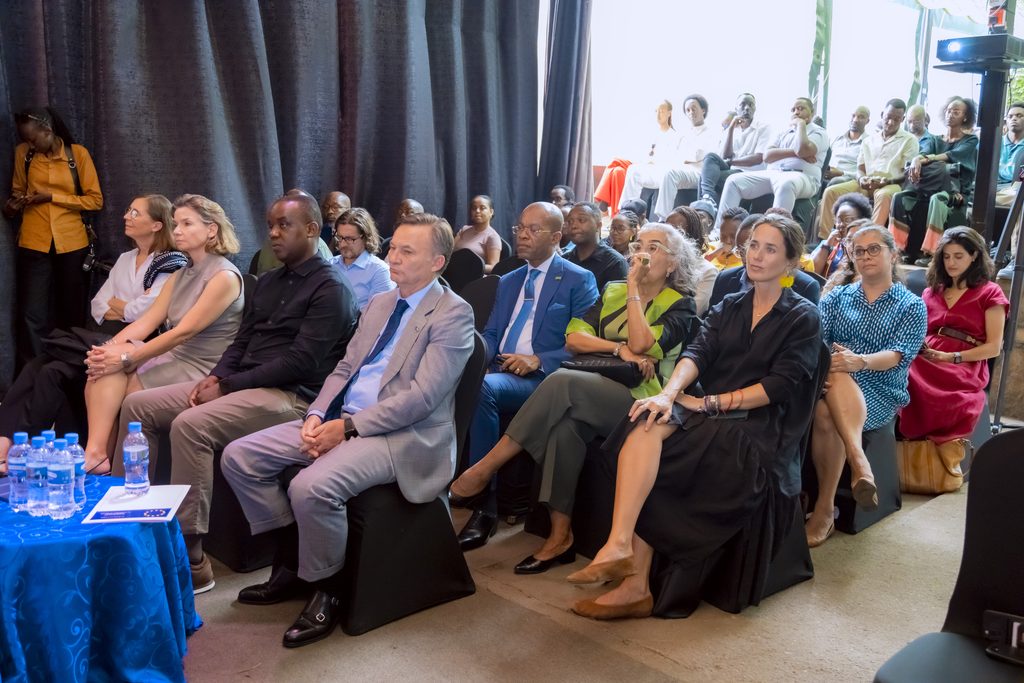
The initiative was formally launched on November 18, 2026, at the Centre Culturel Francophone du Rwanda. Funded by the European Union with a budget of €800,000, it is coordinated by the Institut Français du Rwanda with the Goethe-Institut Rwanda and Ishyo Arts Center.
The programme runs from January 2026 to June 2028 and covers music, visual arts and performing arts. Support will extend beyond artists to professionals and institutions involved in producing, managing and promoting creative work.
Carole Umulinga Karemera, Executive Director of Ishyo Arts Center, said the programme was developed after consultations with stakeholders to identify gaps in the sector.
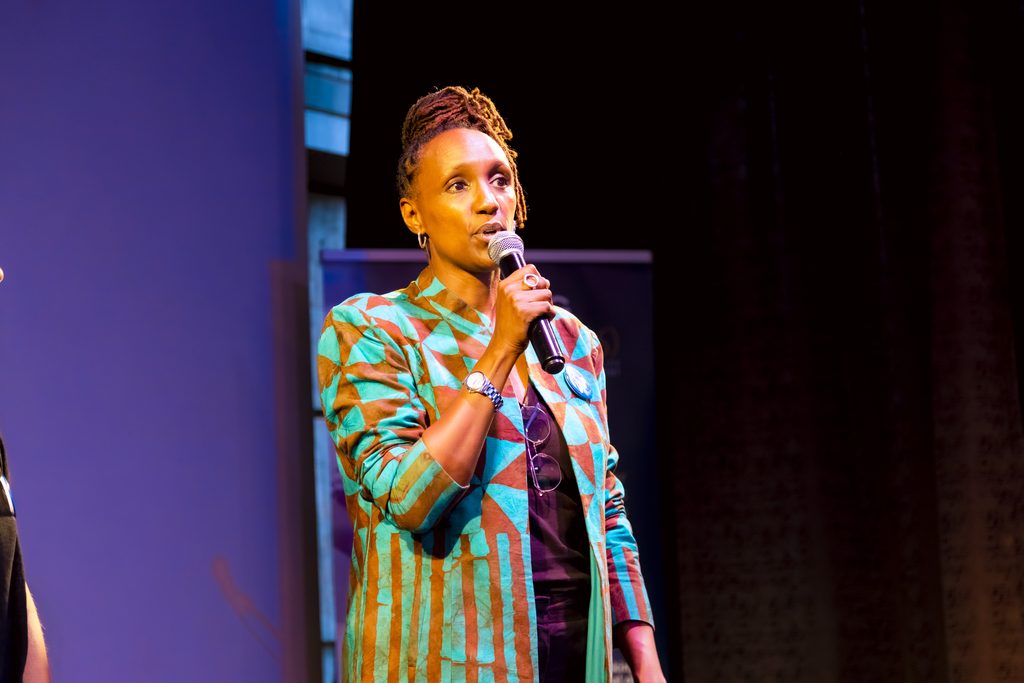
She said inclusion would be central, with opportunities intended for women, young people, persons with disabilities and creatives without formal organisational structures.
The performing arts component will cover theatre, playwriting, directing, lighting, set design, festival production and arts education.
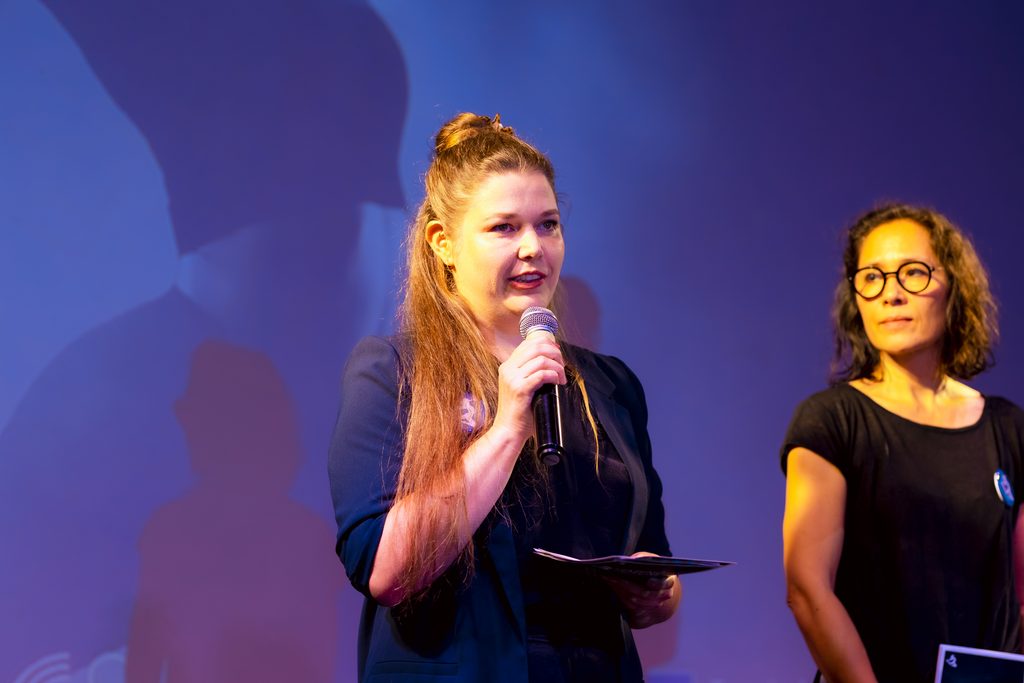
Goethe-Institut Rwanda Director Anisha Soff-Ochieng said professionalising the sector should not mean forcing artists to commercialise their work, but ensuring they have the conditions to pursue their careers sustainably.
It will also cover cultural management, entrepreneurship, mentorship, exhibitions and networking.
In music, organisers expect to train 47 professionals, host two musicians in artistic residencies and support new album production. Training will include music production, post-production, mixing, mastering and music export.
Institut Français du Rwanda Director Lee Fou Messica cited a 2023 British Council survey showing that 76% of creative professionals identified access to funding as a serious challenge, while 65% reported limited networking opportunities.
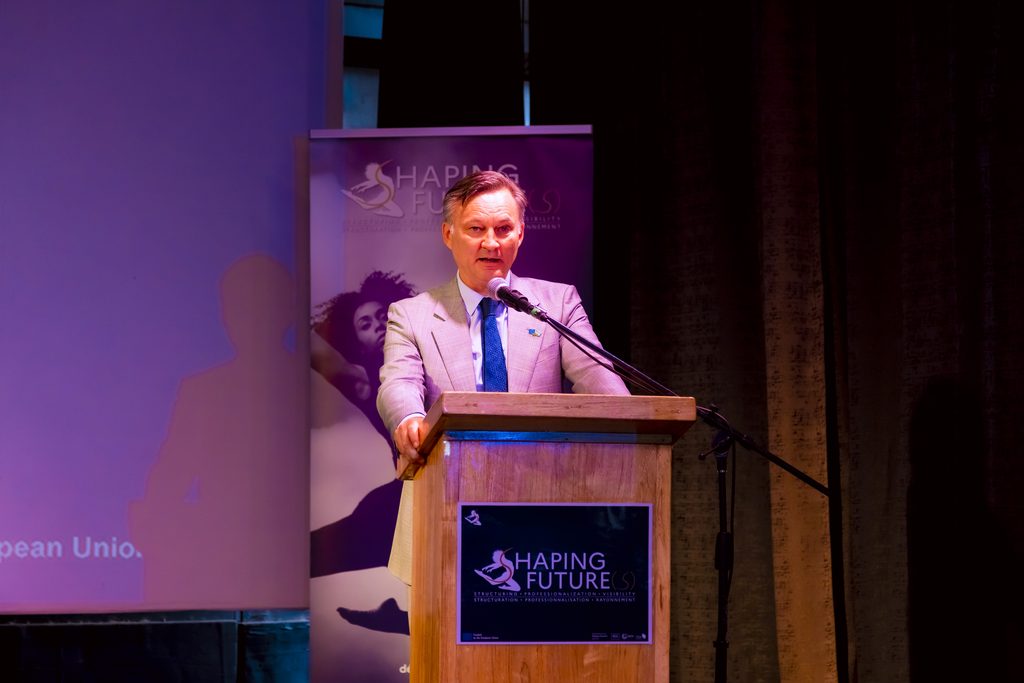
EU Ambassador Jérémie Blin said creative industries can generate jobs, support businesses and connect artists to international audiences.
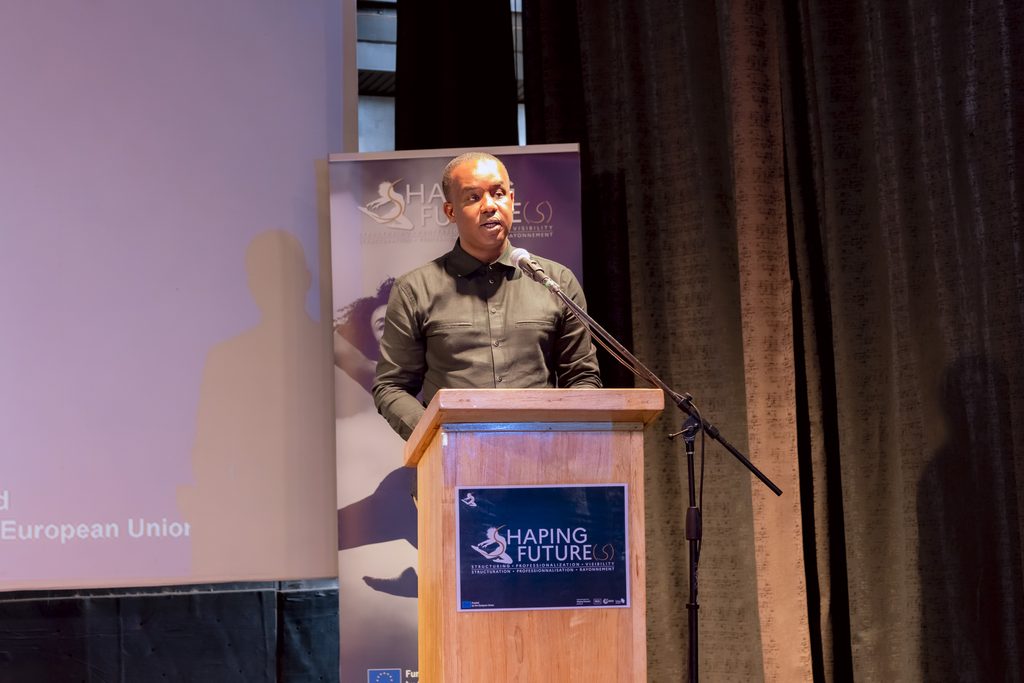
Permanent Secretary at the Ministry of Youth and Arts Parfait Ishungure said developing the industry requires investment in skills, institutions, financing and market connections.
The project also supports Rwanda’s ambition to raise the creative industries’ contribution to gross domestic product to 5% by 2030. The partners said application opportunities would be announced progressively.