
Mothers caring for children with disabilities in Musanze, Rubavu and Gatsibo have faced poverty, isolation and blame from relatives and neighbours, with some left to shoulder the responsibility of care after their partners abandoned the family, a project evaluation has found.
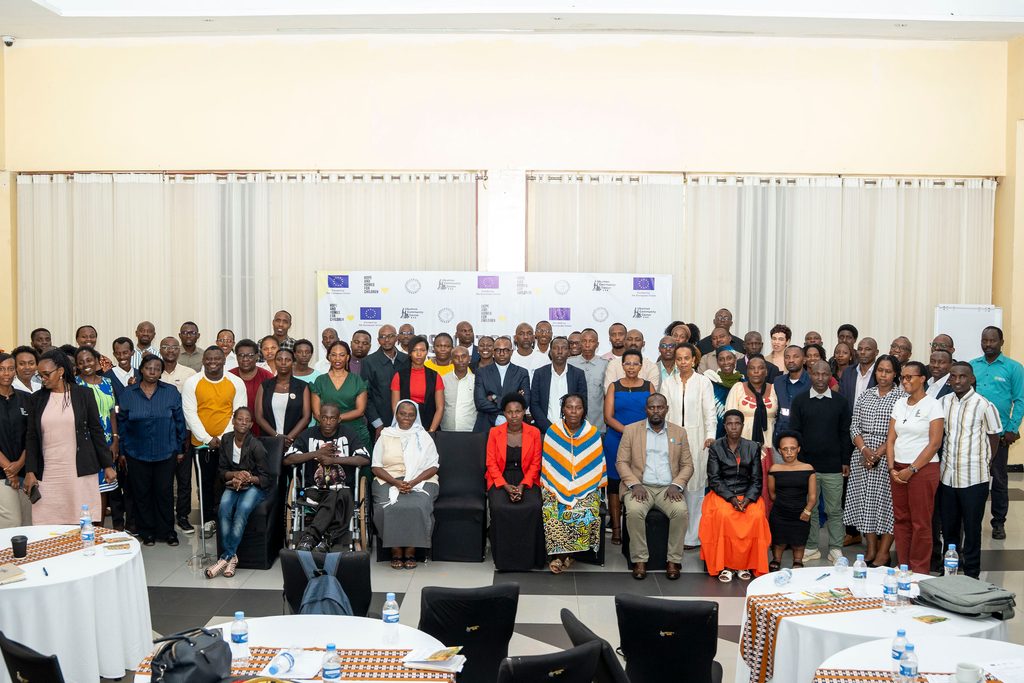
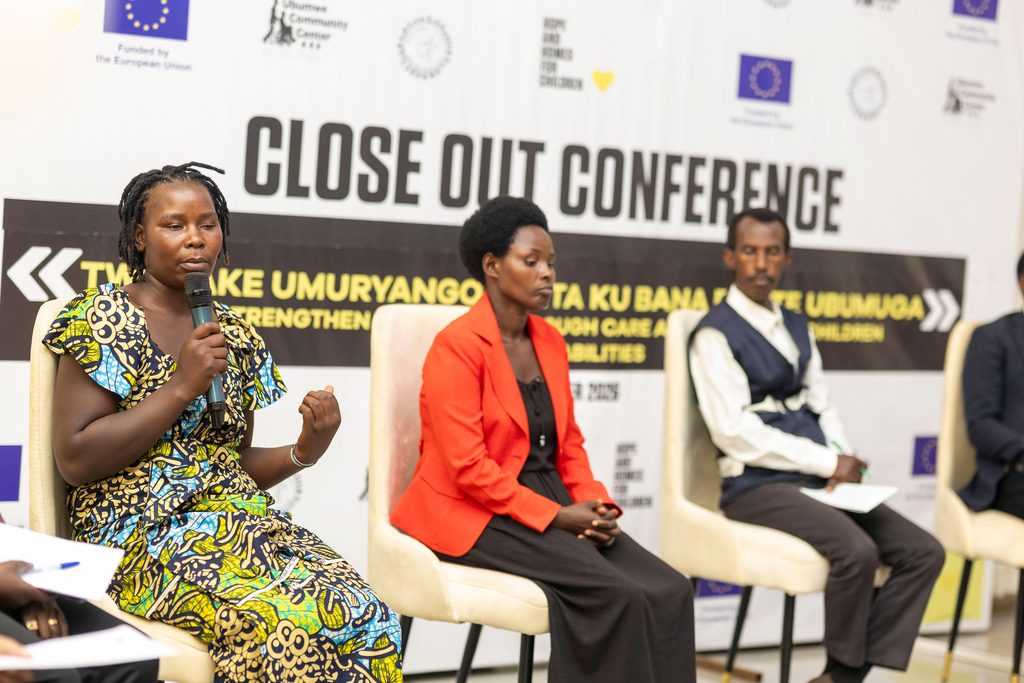
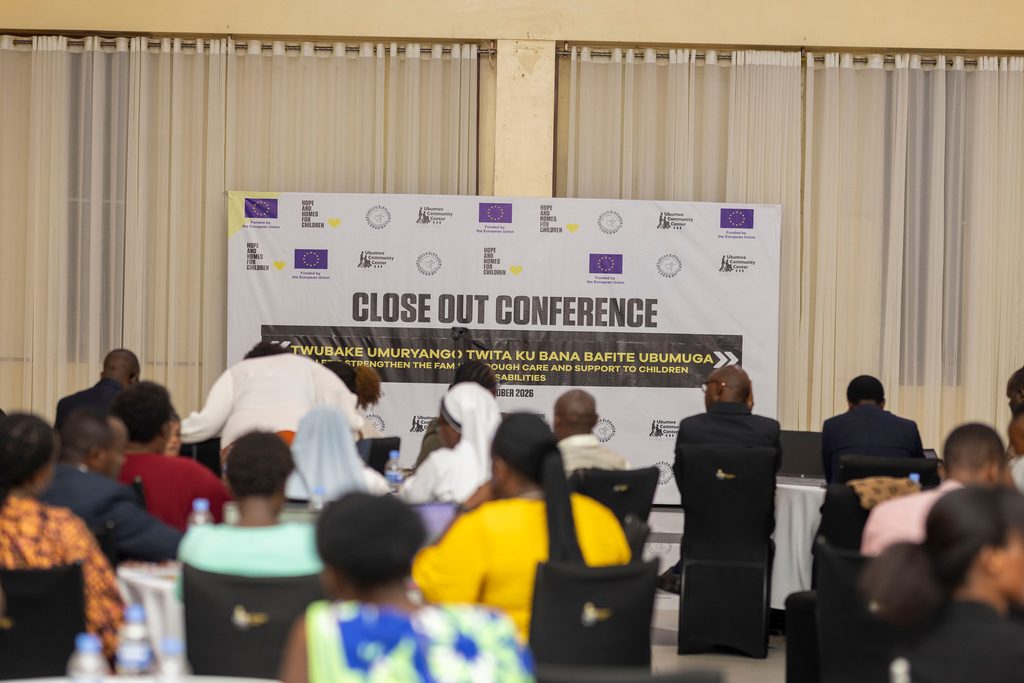
The findings were presented at the October 28, 2026 close-out conference in Kigali of Twubake Umuryango Twita ku Bana Bafite Ubumuga, a European Union-funded project implemented from November 2023 to November 2026 by Hope and Homes for Children Rwanda, Ubumwe Community Centre and Wikwiheba Mwana.
The project supported 120 families caring for 121 children and young people with disabilities in the three districts. Its family-based approach combined financial assistance, caregiver counselling, group therapy, peer support and referrals to health, education and rehabilitation services.
According to the final evaluation presented by Professor Masengesho Kamuzinzi of the University of Rwanda, the difficulties facing participating families extended beyond the medical needs of their children.
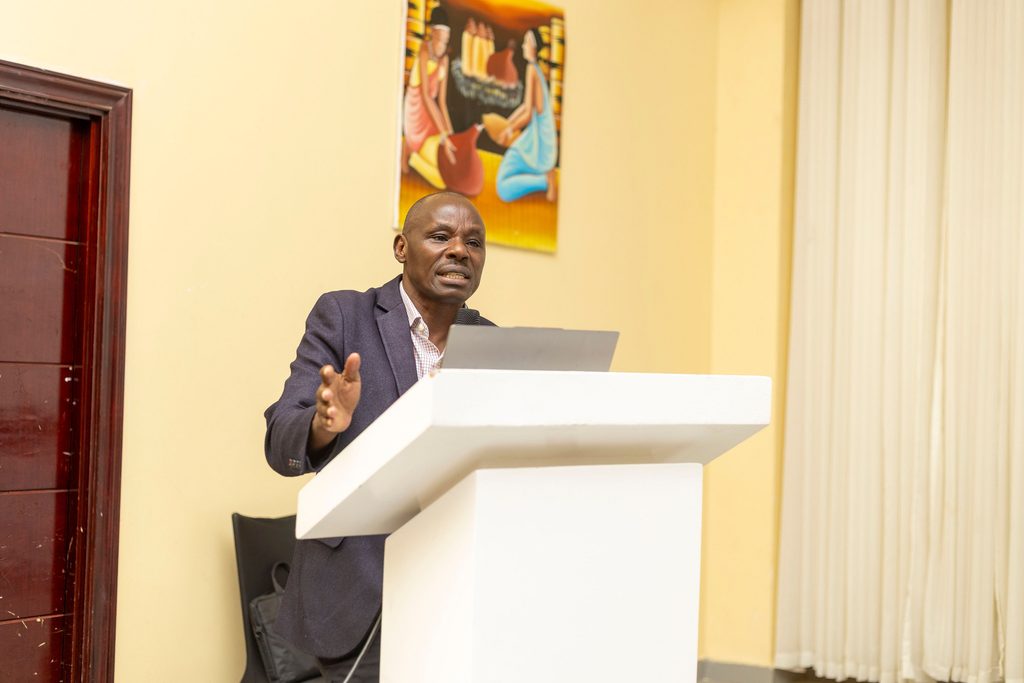
The research found that 99 per cent of the families had no regular income to meet basic needs, while 67 per cent struggled to obtain food. It also documented cases in which mothers were blamed for their children’s disabilities, faced rejection by in-laws and neighbours, or were abandoned by their partners.
In some households, the pressure of caring for a child with severe disabilities, combined with the cost of treatment and the inability to work, contributed to family breakdown and extreme poverty.
The evaluation included accounts from mothers who said that some fathers left after blaming the mother’s family for the child’s condition. Others described harassment from relatives and social isolation, which made it difficult to earn a living while caring for children who needed constant attention.
One beneficiary group told researchers that direct financial assistance had meant more than receiving money.
“It was not just money but rather a mark of recognition that despite social exclusion we were facing someone else cared for us and for our disabled children,” the group said, describing the support as a revitaliser of family life.
The project also established peer-support groups where parents could share experiences, receive psychological support and learn from others facing similar challenges. Eight groups were formed, while 140 parents received group therapy.
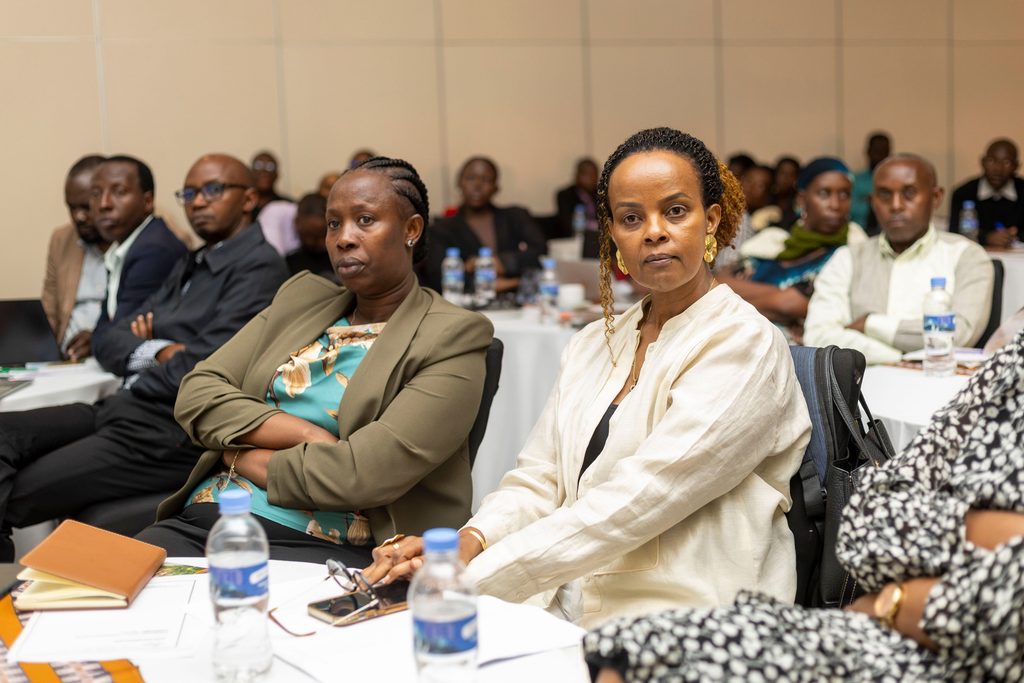
One beneficiary, identified by the pseudonym Lorie, 29, described the emotional strain of raising two young children, one of whom has physical and intellectual disabilities. Her husband had left, his family did not accept her, and she initially received little support from her own mother.
“I felt like I was losing my mind,” she said.
Through the project, Lorie joined a therapeutic group with other parents who had similar experiences. Her mother later attended sessions and began helping her care for the children. With financial support, Lorie started a home-based catering business, while her child attended a community hub, giving her time to work.
“I finally have a mother again,” she said.
The evaluation noted that the experience of individual families should not be taken as proof that all participating households experienced the same changes. However, it highlighted how psychological support, practical assistance and access to services could reinforce one another.
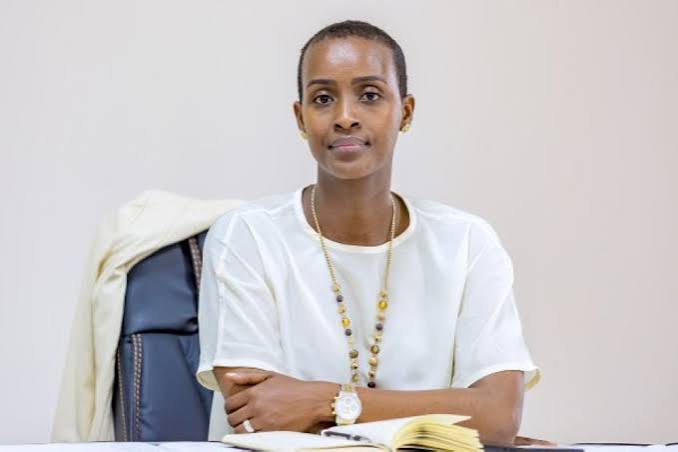
Vidivi Immaculee Karangwa, Country Director of Hope and Homes for Children Rwanda, said families should not be left to manage the pressures of disability without support.
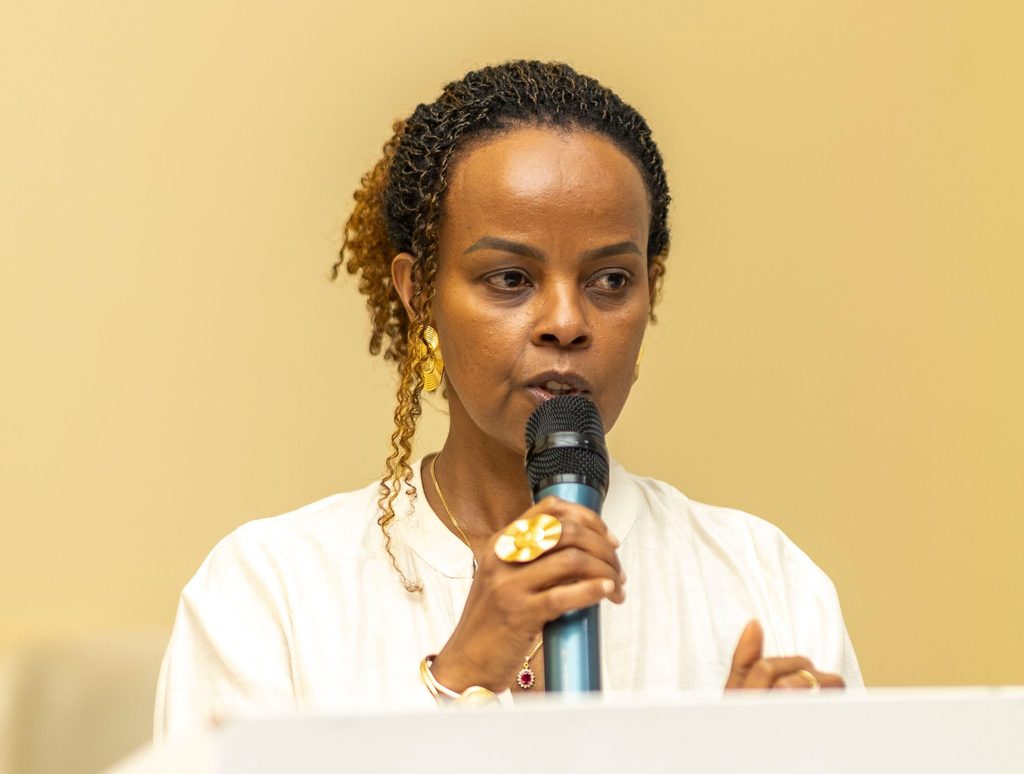
“Having a child with a disability should not mean that a mother has to carry the burden alone or that the child is separated from the family. When families receive appropriate support, they can continue caring for their children,” she said.
The project manager, Aline Kayiganwa, said caregiver wellbeing was part of the intervention because the child’s welfare is closely connected to the situation of the people providing daily care.
The evaluation recommended continued investment in peer groups, family counselling, income-generating opportunities and community awareness to reduce stigma and prevent isolation. It also called for local authorities and service providers to strengthen support for families after project activities end.