
Farmers and livestock keepers in Rwanda have received more than Rwf11.6 billion in insurance compensation since 2019, highlighting the role of agricultural insurance in protecting rural livelihoods against climate-related and other production risks.
According to the Ministry of Agriculture and Animal Resources, crop farmers received more than Rwf6.7 billion, while livestock keepers were paid over Rwf4.9 billion.
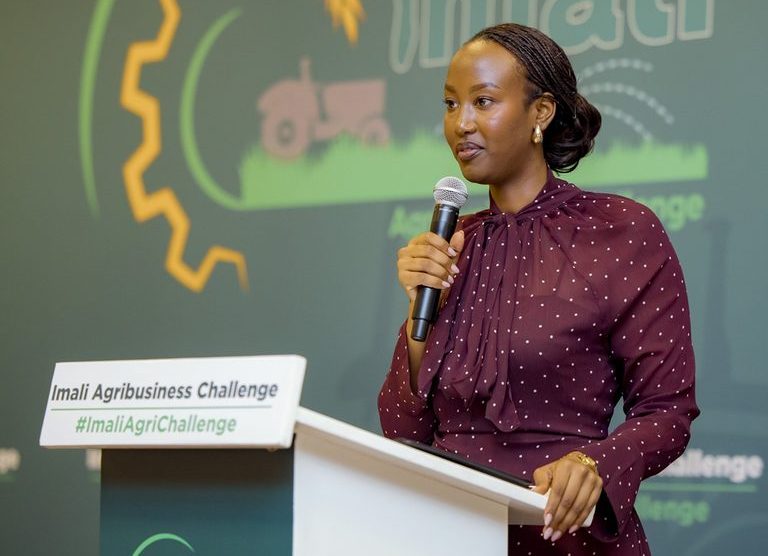
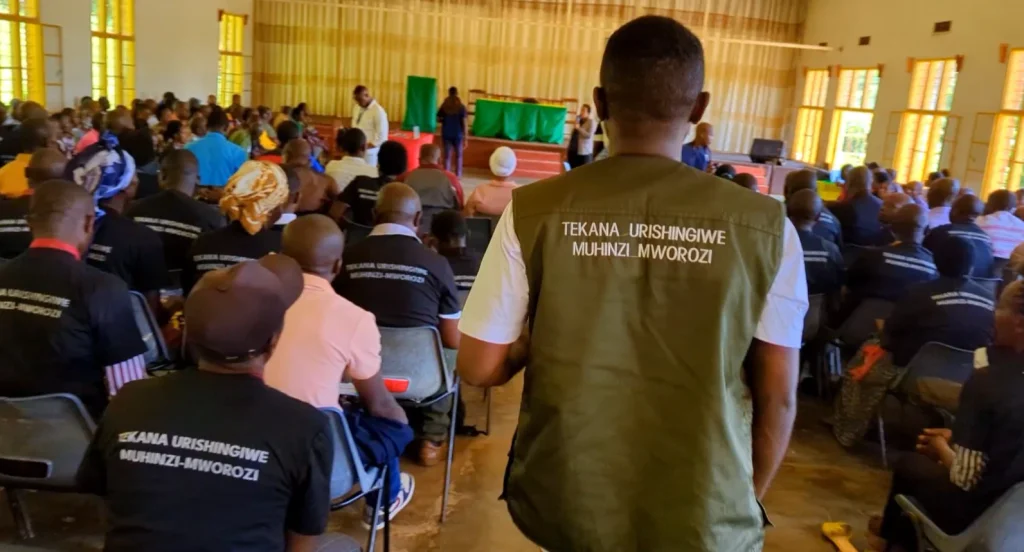
The figures were announced on November 17, 2026, when BK General Insurance, in partnership with the Rwanda Agriculture and Animal Resources Development Board (RAB), paid Rwf204 million to farmers and livestock keepers in Rwamagana District.
Joseph Museruka, the ministry official responsible for crop and livestock insurance, said the Tekana Urishingiwe Muhinzi Mworozi programme had helped beneficiaries recover from losses and resume agricultural activities.
He said the compensation had helped restore the value of crops and livestock that would otherwise have been lost following disasters and other risks.
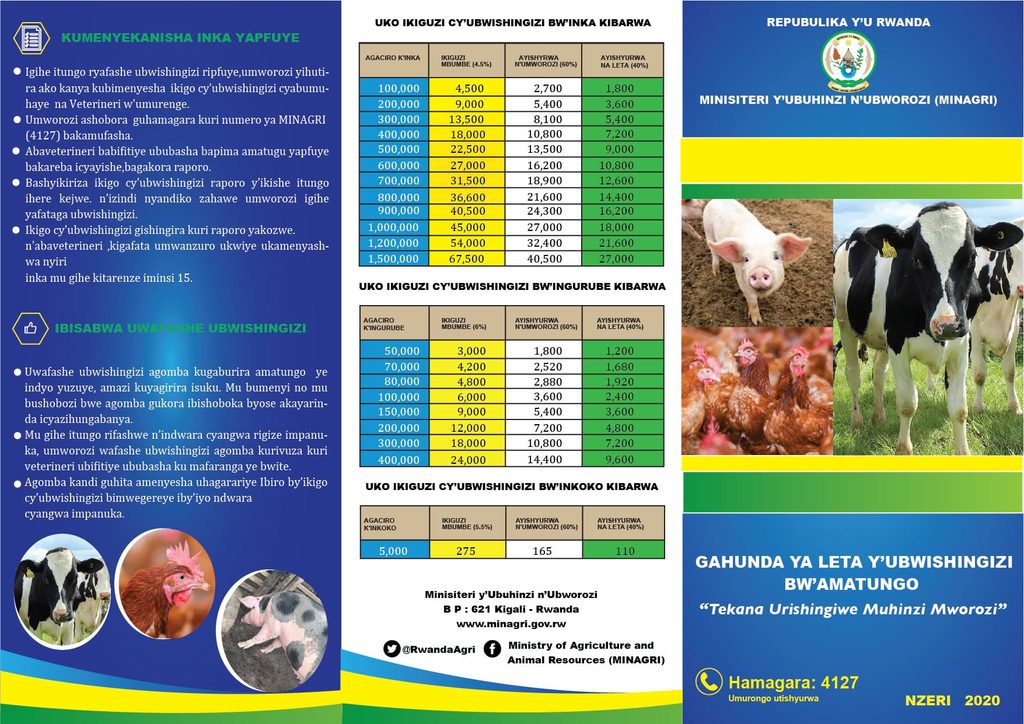
The government subsidises 40 per cent of insurance premiums, leaving farmers and livestock keepers to pay the remaining 60 per cent.
Museruka said the government wanted the programme to go beyond compensating losses and help farmers modernise their activities and access loans to expand production.
The scheme has also helped farmers who previously struggled to recover from agricultural losses. Donatha Karikwera, head of a rice farmers’ cooperative in Kirehe District, said disasters had previously left some members discouraged from returning to their fields.
In the livestock sector, Marie Uwotwambaza, a poultry farmer in Rwamagana who keeps more than 4,000 chickens, said she joined the programme after losing 380 birds in 2020, leaving her with only 100.
The latest compensation exercise also included a vaccination campaign for insured cattle to reduce losses caused by preventable diseases.
Since its introduction in 2019, the programme has attracted 266,402 farmers and livestock keepers annually, while more than Rwf22 billion has been spent on insurance premiums.
It operates in all 30 districts and covers crops including rice, maize, potatoes, cassava, soybeans and beans, as well as cattle, pigs, poultry and fish farming.