
Africa must overhaul the way it views agriculture and turn the sector into a major source of investment, jobs and economic growth, Rwanda’s Prime Minister Justin Nsengiyumva said on Wednesday, as the continent grapples with persistent food insecurity despite abundant natural resources.
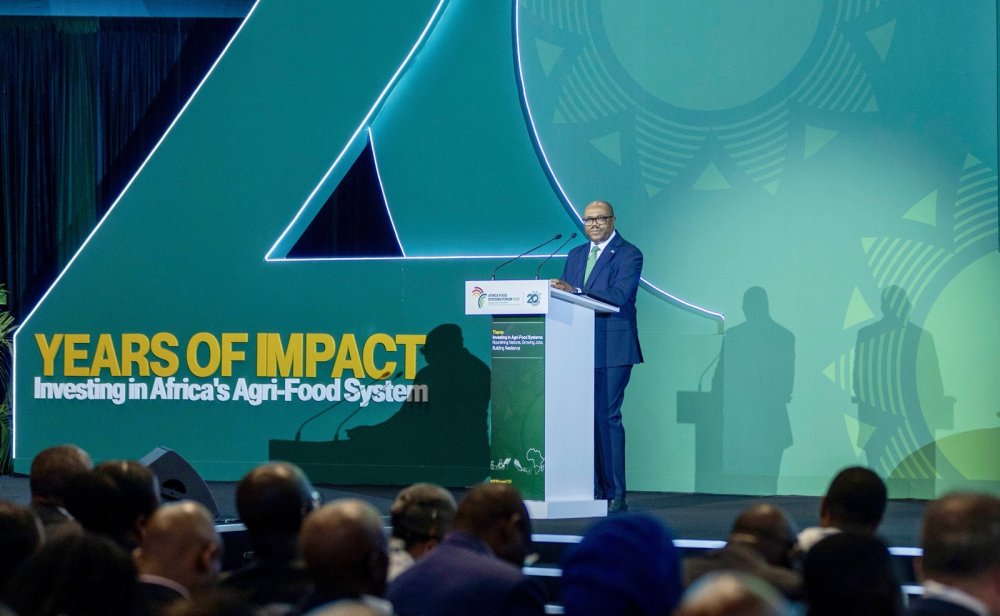
Speaking at the opening of the 20th Africa Food Systems Forum in Kigali, Nsengiyumva urged governments, investors and young Africans to see farming and the wider food value chain as a modern business opportunity rather than a sector of last resort.
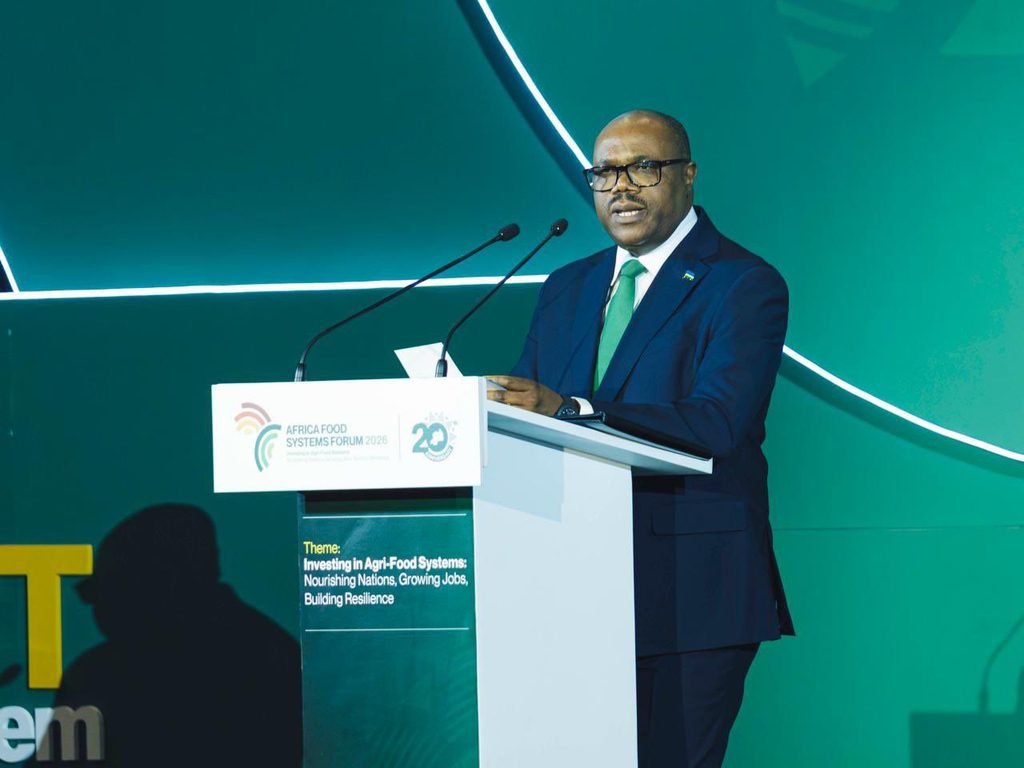
“Agriculture should not be viewed as a sector for people who have nowhere else to go. It should be seen as a modern sector offering opportunities to create jobs, drive innovation and build wealth,” Nsengiyumva said.
More than 5,000 participants from over 50 countries are attending the forum, including policymakers, farmers, investors, researchers and development partners, to discuss ways of strengthening Africa’s food systems and reducing the continent’s dependence on food imports.
From farms to food businesses
Nsengiyumva said Africa had many of the resources needed to feed itself, including large areas of arable land, water, abundant sunshine and a young population.
Yet those advantages have not translated into food security. About 309 million Africans were affected by hunger in 2025, while 57% of the continent’s population experienced moderate or severe food insecurity, according to figures cited by Nsengiyumva.
“This shows us the responsibility we have: we must make the most of the potential we possess and ensure that production generates economic growth and better livelihoods for all Africans,” Nsengiyumva said.
“The opportunities are before us. The needs are great and urgent. The time to act is now.”
The prime minister said Africa needed to look beyond increasing farm output and build stronger businesses across the entire food system, from agricultural inputs and production to irrigation, storage, transport, processing and marketing.
He identified opportunities for private investment in areas including agricultural machinery, irrigation, energy, insurance, logistics, technology and food processing.
Such investment could create jobs for young Africans while giving farmers, women and small businesses a greater share of the value generated from agriculture, he said.
Cutting food imports
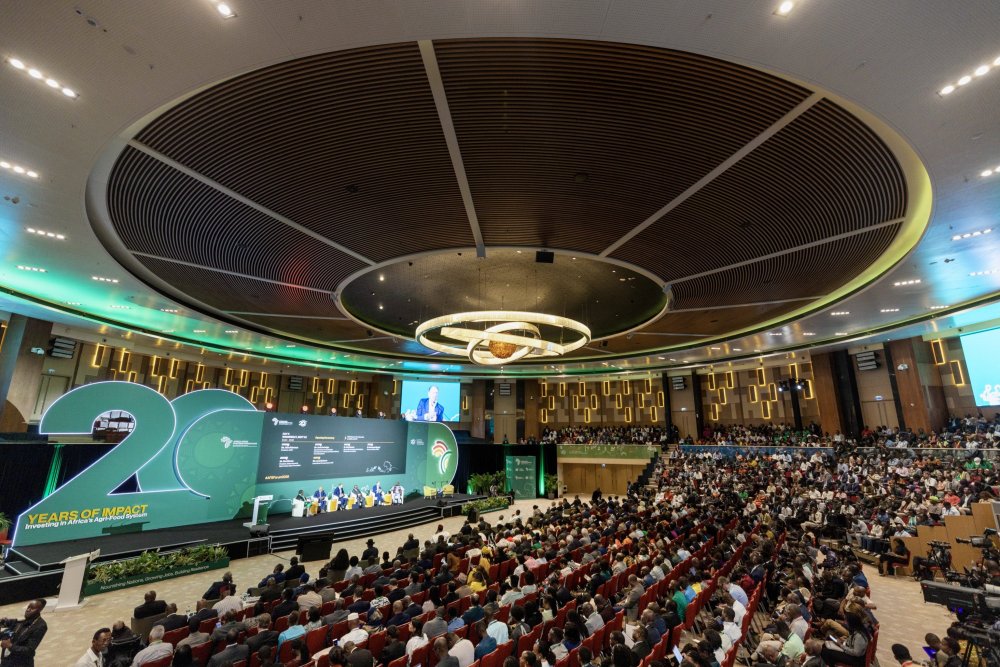
The call comes as African governments seek to reduce the continent’s reliance on imported food while increasing the value of agricultural production at home.
Moses Vilakati, the African Union commissioner responsible for agriculture, rural development, blue economy and sustainable environment, said Africa needed to strengthen domestic food processing and reduce imports.
“Africa must become better at processing its own food rather than importing processed products from abroad,” Vilakati said.
Former Ethiopian Prime Minister Hailemariam Desalegn, who is also president of the Alliance for a Green Revolution in Africa (AGRA), said the continent needed deeper structural changes rather than simply producing more food.
“Africa must go beyond just growing more food and pursue profound changes in the way the agricultural sector operates,” he said.
Turning commitments into investment
Nsengiyumva said Rwanda supported the Comprehensive Africa Agriculture Development Programme (CAADP) and its 2026-2035 strategy and action plan, which he said offered African countries an opportunity to share knowledge, implement reforms and mobilise investment.
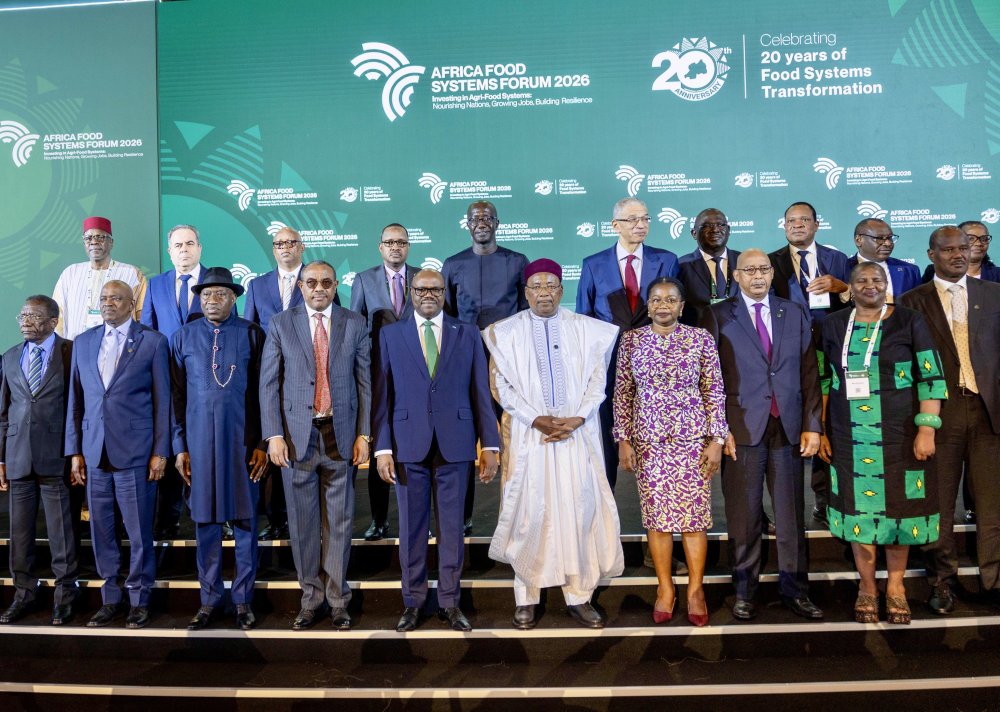
He challenged participants at the forum to focus on turning political commitments into projects capable of attracting investment, ensuring financing reaches the entire food system rather than isolated parts of the value chain, and scaling up innovations that have already shown results.
“No single country, institution or organisation can transform Africa’s agriculture and food systems alone,” he said, calling for closer cooperation among governments, farmers, financial institutions, investors, researchers and development partners.