
Rwanda is positioning itself as a hub for a growing movement among developing nations to share expertise, technology and policy solutions as traditional development assistance faces mounting financial and structural pressures.
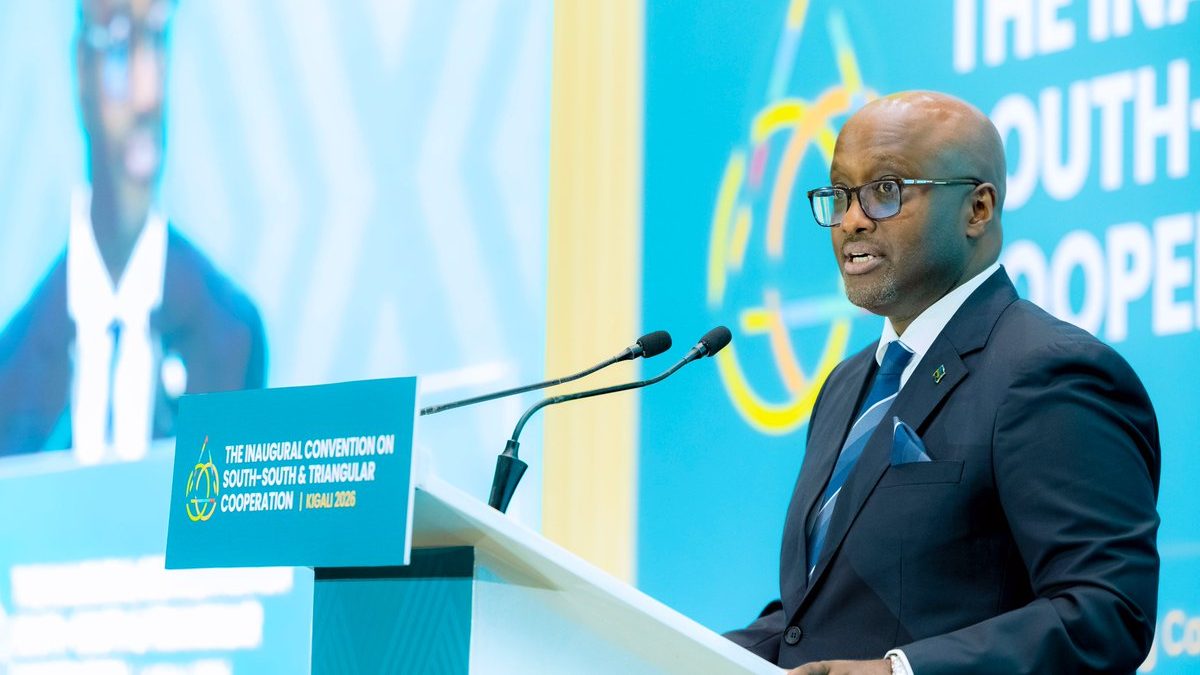
Speaking Monday at the opening of the inaugural South-South and Triangular Cooperation Convention in Kigali, Foreign Affairs and International Cooperation Minister Olivier J.P. Nduhungirehe said countries of the Global South must increasingly work together to address common development challenges and reduce reliance on one-way models of knowledge transfer.
The conference comes at a time when many developing countries are grappling with shrinking aid budgets, tighter financing conditions and a changing global development landscape that is prompting governments to seek practical solutions from nations with similar experiences.
“The system is still recovering from the shocks of recent years and from a multilateral financing architecture that was not designed for the world we live in today,” Nduhungirehe told delegates attending the two-day convention.
Organized by the Rwanda Cooperation Initiative (RCI) and the United Nations Development Programme (UNDP), the gathering has brought together government officials, development partners, experts and U.N. agencies to explore ways of strengthening cooperation among developing countries and turning shared knowledge into measurable development outcomes.
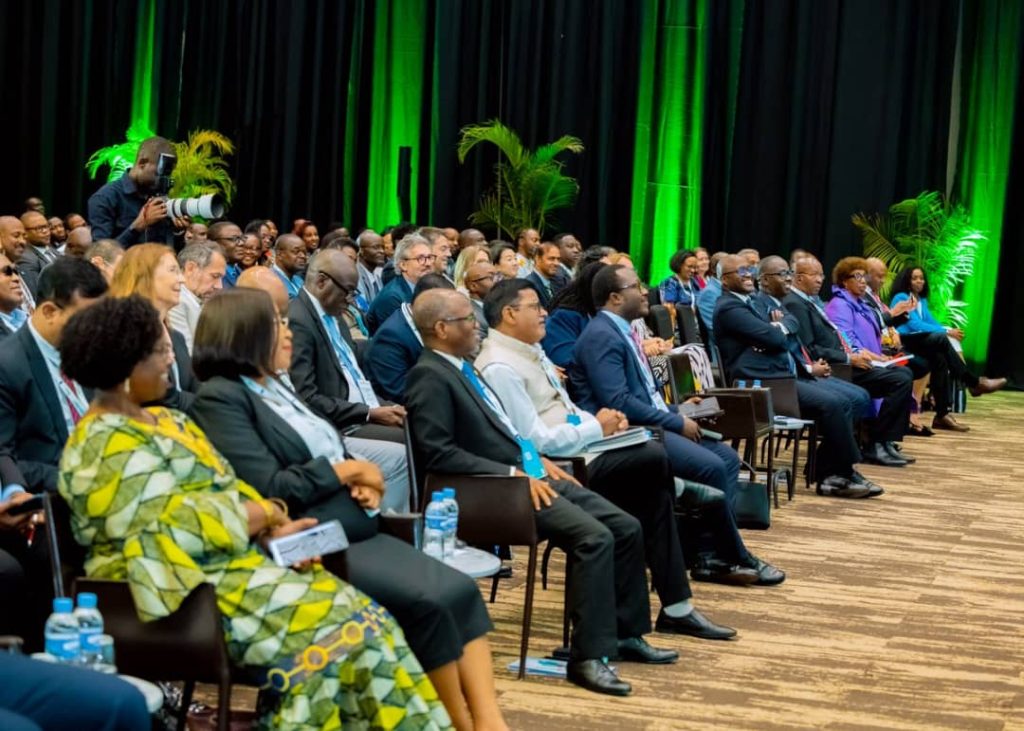
Nduhungirehe said Rwanda aims to position Kigali as a leading international platform for South-South and triangular cooperation, where countries can exchange ideas, adapt successful policies and collaborate on solutions to common challenges.
“While traditional development cooperation remains important, countries now hold hard-earned experience in building institutions, reforming public services and delivering digital governance systems that can be shared across borders,” he said. “This is not a substitute for traditional development partnerships. It is a complement.”
South-South cooperation refers to partnerships among developing countries that share knowledge, technology, skills and policy experiences. Triangular cooperation expands that model by involving traditional donors or multilateral organizations that help facilitate exchanges and provide technical or financial support.
Officials attending the convention said the approach has gained momentum as countries increasingly seek development strategies rooted in local realities rather than externally designed solutions.
Nduhungirehe said cooperation among countries in Africa, Asia and Latin America should be based on mutual respect and peer-to-peer learning, allowing governments to benefit from experiences gained under similar economic and social conditions.
The minister added that development cooperation is evolving from a system largely driven by donor-recipient relationships toward one that emphasizes partnership, shared responsibility and joint implementation of reforms.
Fatmata Lovetta Sesay, UNDP Rwanda resident representative and interim United Nations resident coordinator, said successful cooperation should ultimately be measured by improvements in people’s daily lives.
She cited Rwanda’s community-based initiatives, including Umuganda and Imihigo, as well as digital public service platforms and drone-based medical delivery systems, as examples attracting interest from countries seeking practical and scalable solutions.
“South-South cooperation thrives when people learn from people,” Sesay said. “Development must remain centered on citizens, services and trust in institutions.”
Participants are expected to spend the next two days examining financing mechanisms, technical partnerships and institutional frameworks that could help accelerate implementation of development programs across the Global South. For Rwanda, the convention represents both an opportunity to contribute to emerging development partnerships and a step toward establishing Kigali as a global center for cooperation, innovation and policy exchange.