
Cambodia’s improvement in international education assessments is being examined by Rwanda as the country looks for ways to raise student learning outcomes.
Education Minister Joseph Nsengimana said Rwanda had invited countries with different experiences in education, including those that performed poorly in earlier assessments but later made progress, to share the measures behind their improvement.
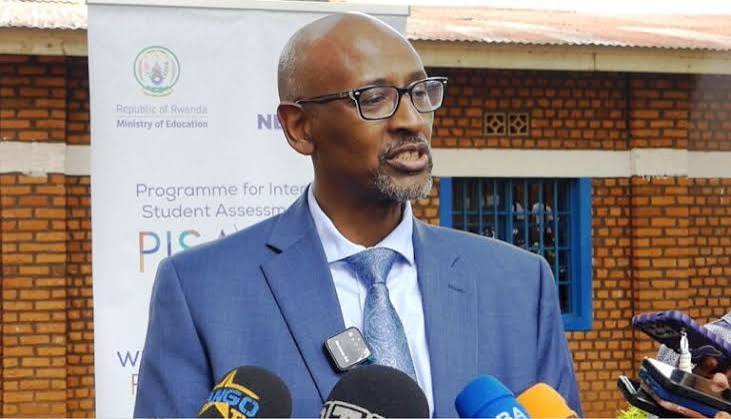
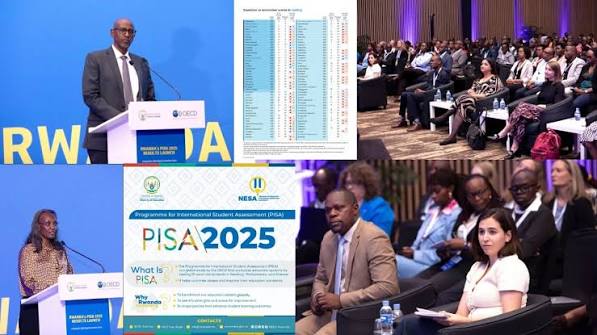
“Cambodia is among those countries,” Nsengimana said on Thursday in Kigali, where education officials from several countries gathered for a knowledge-sharing meeting following the 2025 Programme for International Student Assessment (PISA).
He said Rwanda would also hear from countries such as Vietnam and Singapore, while other African countries had been invited to take part in the discussions.
The meeting came shortly after Rwanda published its first PISA results, giving policymakers an international benchmark for assessing the country’s education system.
Rwandan students recorded average scores of 317 points in science, 312 in mathematics and 301 in reading in the 2025 assessment. The results covered 91 countries and economies, with more than 760,000 students participating worldwide.
Singapore was among the strongest-performing education systems in the assessment. Cambodia, meanwhile, was highlighted for its progress from previous PISA cycles.
Nsengimana said Rwanda wanted to look beyond the scores and understand what other countries had changed in their education systems.
“We want to compare ourselves with them and see where they are ahead of us, where we are similar and what they did to improve,” he said.
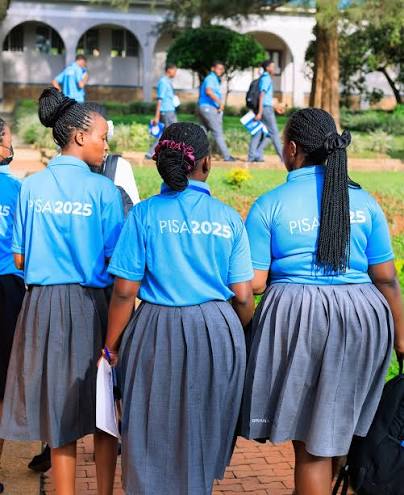
Rwanda participated in PISA for the first time in 2025. The OECD assessment measures how well 15-year-old students can apply knowledge and skills in areas including science, mathematics and reading.
Nsengimana said the exercise would help Rwanda identify changes needed to improve its education system and bring learning outcomes closer to international standards.
He said education would remain central to Rwanda’s ambition of developing a knowledge-based economy under its Vision 2050 strategy.