
Rwanda and Pakistan are steadily expanding cooperation across trade, diplomacy, education, and cultural exchange, as both countries position their relationship around a ‘naturally complementary partnership.’
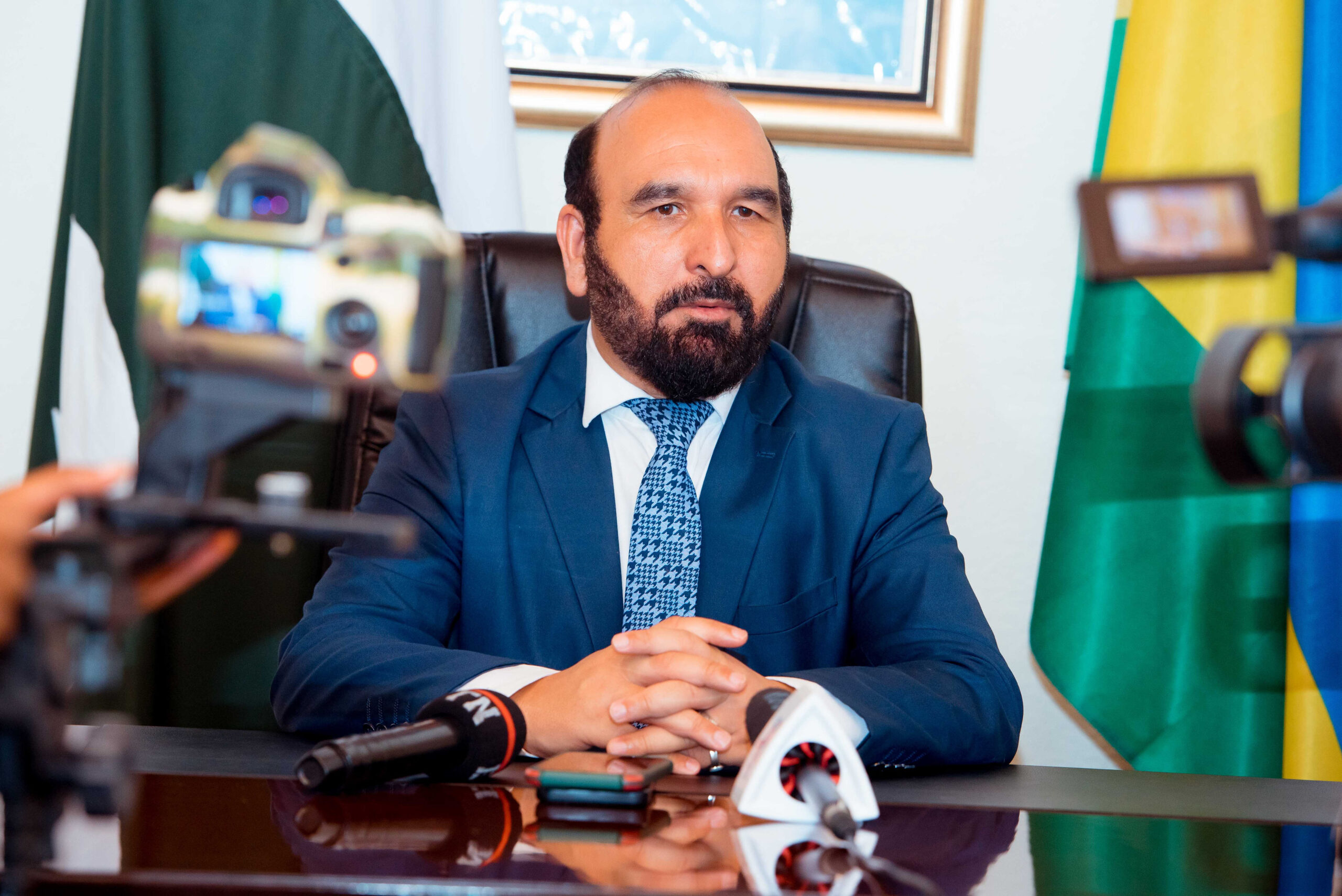
In an exclusive interview with The Dawn, Pakistan’s High Commissioner to Rwanda, Naeem Ullah Khan said relations between the two countries are moving beyond formal diplomacy into practical cooperation driven by shared interests and expanding exchanges.
He also called for stronger commercial diplomacy, deeper educational linkages, and a more balanced global narrative about Pakistan.
DIPLOMATIC RELATIONS SPANNING DECADES
Pakistan formally recognised Rwanda shortly after its independence in the 1960s, laying the groundwork for early diplomatic relations between the two countries.
Bilateral ties, however, deepened significantly after the 1994 Genocide against the Tutsi, following which Pakistan increased its diplomatic engagement and cooperation with Rwanda.
A key milestone was reached in 2021 when Pakistan established a physical diplomatic mission in Kigali. Rwanda reciprocated by opening its High Commission in Pakistan in 2024, marking a new phase in bilateral relations.
According to the envoy, recent years have also seen increased high-level exchanges, including visits by Rwandan officials from foreign affairs, trade, industry, and defence, as well as senior military leadership.
In parallel, Pakistani ministers, parliamentarians, and business delegations have also visited Rwanda in increasing numbers.
“These engagements are practical, structured, and result-oriented,” he said.
TRADE GROWTH
Economic relations have recorded significant growth, with bilateral trade rising from about $34 million in 2023 to approximately $127 million over the past two and a half years.
Rwandan tea and coffee exports have gained strong acceptance in Pakistan, with the ambassador noting that “every second leaf of Rwandan tea goes to Pakistan.”
Coffee imports have also expanded following targeted trade promotion initiatives.
Rwanda is actively exploring exports of agricultural commodities such as avocados, beans, lentils, and pulses to Pakistan, which currently imports these products from other regions.
Pakistan, in return, exports rice, textiles, surgical instruments, sports goods, and technology-based products to Rwanda. The envoy said the strength of the partnership lies not in competition, but in economic complementarity.
“Pakistan does not produce coffee or avocados commercially, while Rwanda does not produce rice or cotton at scale. Yet both countries are major consumers of these products,” Khan said
He added that Pakistan, with a population of more than 250 million people, represents a major consumer market, while Rwanda offers a strategic gateway into East and Central Africa.
RWANDA AS A REGIONAL GATEWAY
Outlining his long-term strategic approach, Khan described his framework as “VMOSA” Vision, Mission, Objectives, Strategy, and Action Plan.
He said his vision is to position Rwanda as a regional hub for Pakistani businesses entering East and Central Africa.
“Once a business is established in Rwanda, it can expand into neighbouring markets such as Kenya, Uganda, Burundi, and the Democratic Republic of Congo,” he said, praising Rwanda’s governance, transparency, and investment climate.
A bilateral trade agreement between Rwanda and Pakistan is currently under negotiation and is expected to be concluded soon.
Several Memoranda of Understanding (MoUs) have already been signed in areas including defence cooperation, healthcare, diplomatic training, and gender equality, while about nine additional agreements are still in development.
The High Commissioner also highlighted growing cooperation between Pakistan’s Chambers of Commerce and Rwanda’s Private Sector Federation, enabling structured business-to-business engagement.
EXPANDING OPPORTUNITIES Over the past two years, the Pakistan High Commission in Kigali has trained more than 300 Rwandan and African interns in diplomacy, communication, international trade, and entrepreneurship.
The envoy also introduced the concept of “intrapreneurship,” aimed at helping young people without capital develop skills within organisations before launching their own ventures.
“Knowledge and skills are also forms of capital,” he said, adding that the goal is to transform opportunity into capability.
Besides, education is emerging as a key pillar of cooperation, with multiple scholarship pathways available for Rwandan students, including Pakistan-specific, Africa-wide, and international programmes.
Khan encouraged students to actively pursue these opportunities and said the High Commission remains committed to supporting applications and strengthening institutional partnerships.
Healthcare and tourism The envoy also highlighted Pakistan’s healthcare system as “technically advanced and affordable,” encouraging Rwandans to consider the country for specialised treatment, including cancer care, kidney diseases, and complex surgeries
He said the High Commission would support patients throughout the process, from arrival to treatment, positioning Pakistan as a viable destination for medical tourism.
Beyond healthcare, Khan pointed to initiatives such as Discover Pakistan, which promotes the country as a global tourism destination.
Pakistan, he said, offers diverse attractions including the Himalayas, deserts, archaeological heritage sites, and winter sports destinations.
He also emphasised the country’s affordability and strong culture of hospitality.
“Hospitality is part of our identity. Visitors are often struck by the warmth and generosity of our people,” he said.
PAKISTAN’S GLOBAL IMAGE High
Commissioner Khan noted that Pakistan’s international image is often shaped by selective reporting rather than its broader reality as a country of over 250 million people.
“Perception is often larger than reality,” he said.
He argued that global media often highlights isolated incidents in limited regions, which do not reflect everyday life across most of the country.
While acknowledging security challenges in certain border areas, he stressed that mainstream Pakistani society remains peaceful, stable, and welcoming.
He linked external perceptions to long-standing geopolitical dynamics, particularly post-1979 developments, which he said continue to influence how the country is viewed internationally.
The ambassador called for more responsible and contextual reporting, saying media outlets such as The Dawn play a key role in correcting misconceptions and presenting Pakistan’s economic potential, cultural depth, and everyday realities more accurately.
In his closing remarks, Khan emphasised a philosophy centred on expanding opportunities through cooperation.
“If I have one opportunity, I should create a hundred opportunities for others,” he said.
The envoy added that deeper collaboration in trade, education, diplomacy, and culture could significantly strengthen RwandaPakistan relations and deliver long-term mutual benefits.