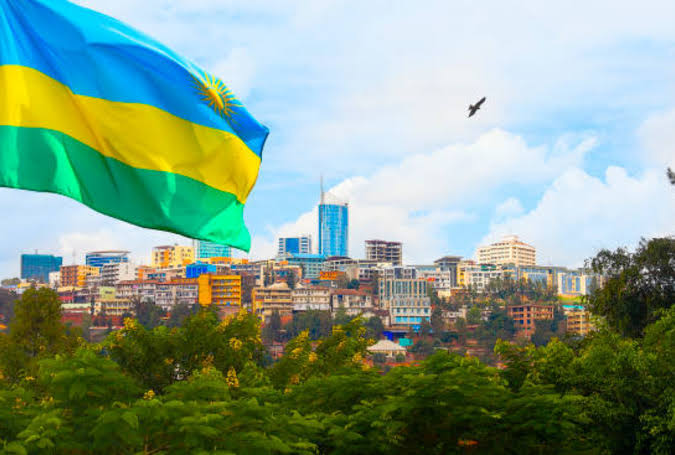

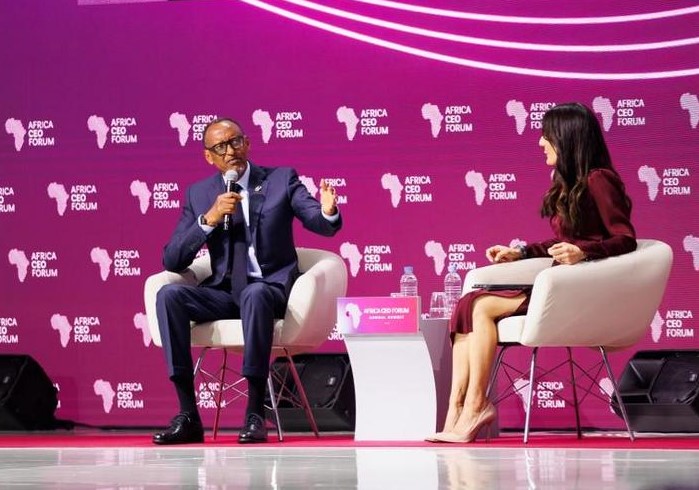
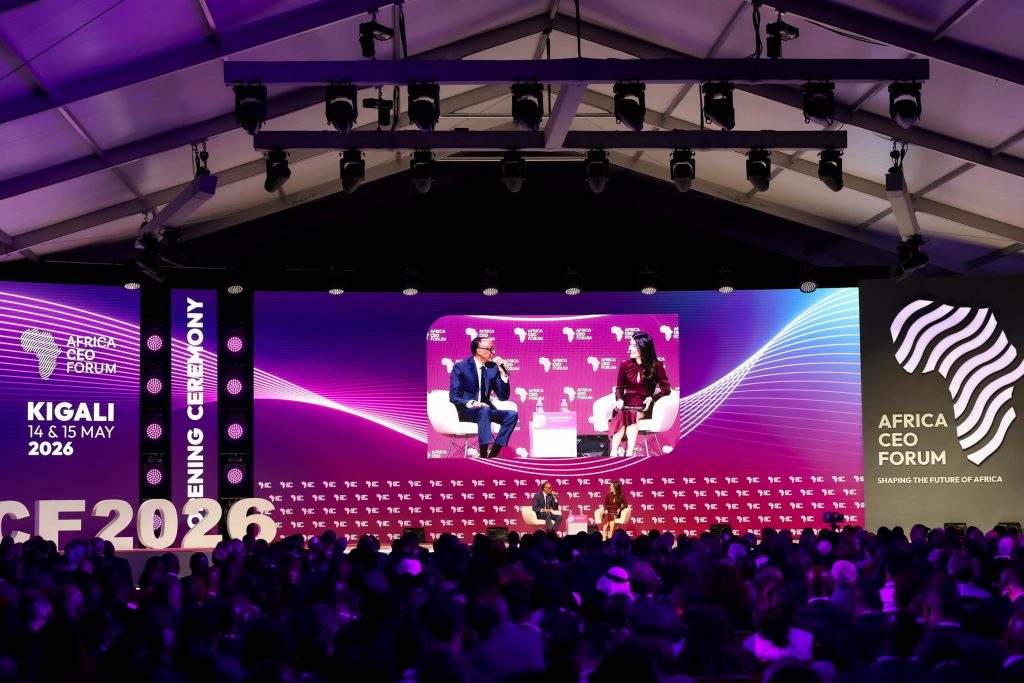
President Paul Kagame on Thursday opened the Africa CEO Forum 2026, urging African nations to take greater control of their economic future and move beyond discussion to act decisively in harnessing their natural resources and human capital amid global uncertainty.
Speaking at a high-level forum in Kigali with political and business leaders, Kagame said the world is in a new geopolitical cycle marked by recurring crises and shifting power dynamics. He said such disruptions are not new, citing wars, colonialism and pandemics, but argued the current environment requires Africa to respond with greater urgency and execution.
“There will always be crises,” Kagame said.
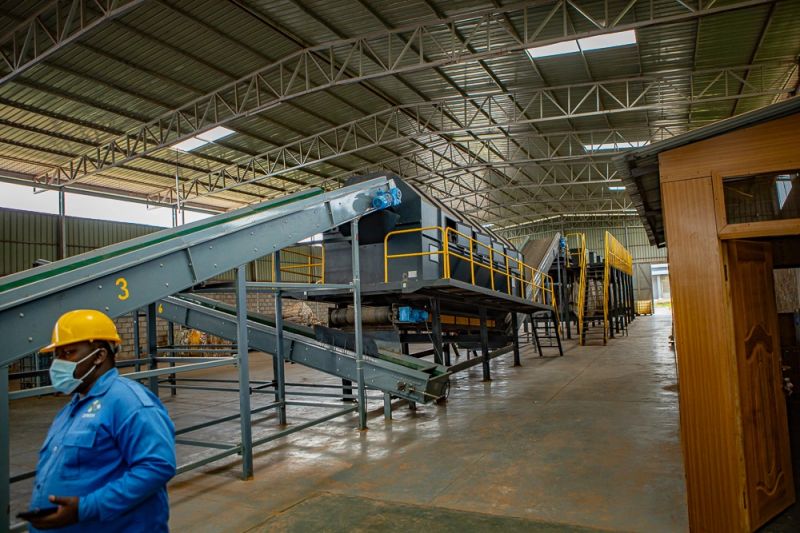
Kagame said Africa has significant but underutilized advantages, including renewable energy potential, critical minerals used in modern technologies and a growing workforce. He said the continent holds a large share of global solar energy potential and substantial mineral reserves needed for battery production and other industries.
Despite these resources, he said African countries often fail to secure sufficient value from them in global markets, leaving the continent at a disadvantage in negotiations with stronger economic powers.
He called for greater coordination among African states to improve bargaining power and strengthen economic self-determination. Kagame said Africa must focus less on policy debate and more on implementation. “We must act,” he said.
Kagame also referenced what he described as a growing trend of African governments rejecting resource agreements they consider unfavorable, including deals involving mineral extraction in exchange for limited development benefits.
He said the COVID-19 pandemic exposed weaknesses in global supply chains and underscored the need for Africa to build internal capacity and reduce dependency on external systems.
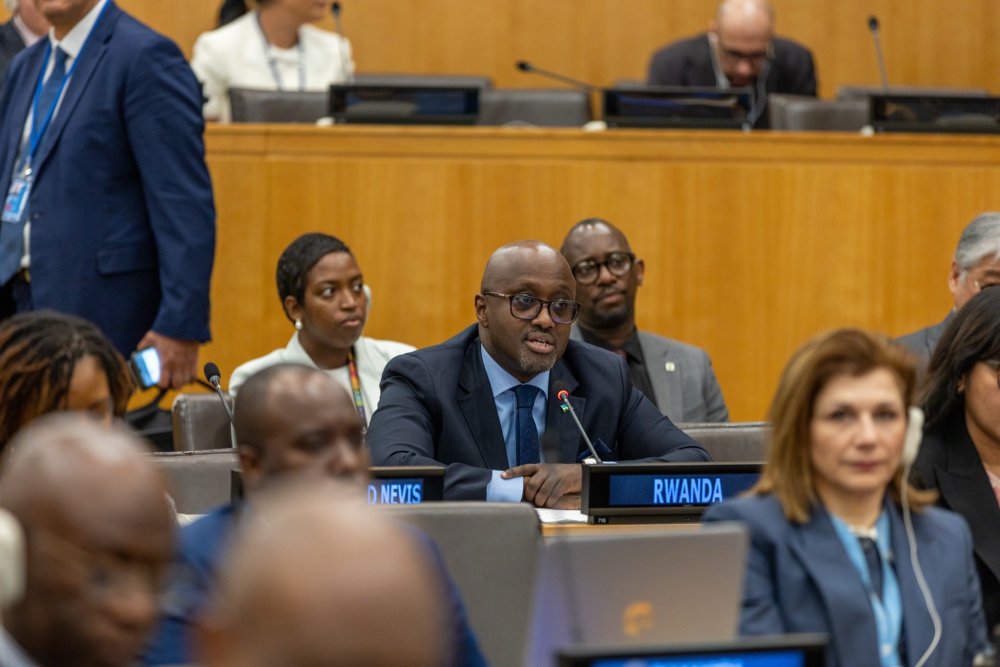
On international relations and sanctions, Kagame said global politics often reflects unequal power dynamics. Responding to questions about sanctions and regional tensions involving Rwanda and the Democratic Republic of Congo, he said such measures are sometimes applied inconsistently.
Pressed on whether Rwanda would yield to external pressure, Kagame said he has never done so.
“I have never capitulated,” he said, adding that sanctions are intended to exert pressure but should not determine national decision-making.
He said African countries must be willing to withstand external pressure when necessary if the alternative undermines long-term interests.
“It is not difficult to say no,” Kagame said. “It costs more to say yes to the wrong thing.”
Kagame said Africa should recognize its own value in global affairs and avoid arrangements that leave it in a weaker position. He said the continent should not remain dependent on systems shaped primarily by more powerful nations.
He also called for closer cooperation between governments and the private sector, which he said is often more agile and innovative than public institutions. He described private entrepreneurs as operating under significant constraints and said reducing those barriers would accelerate growth.
Kagame said stronger alignment between public policy and private enterprise is necessary to build globally competitive African economies.
Turning to communication and social media, Kagame said digital platforms have changed how information is shared by allowing broader participation in public debate. He said this has democratized expression, but also increased the volume of misinformation and competing narratives.
He said he is no longer easily shocked by content circulating online, noting that prolonged exposure to global media has changed how people interpret information.
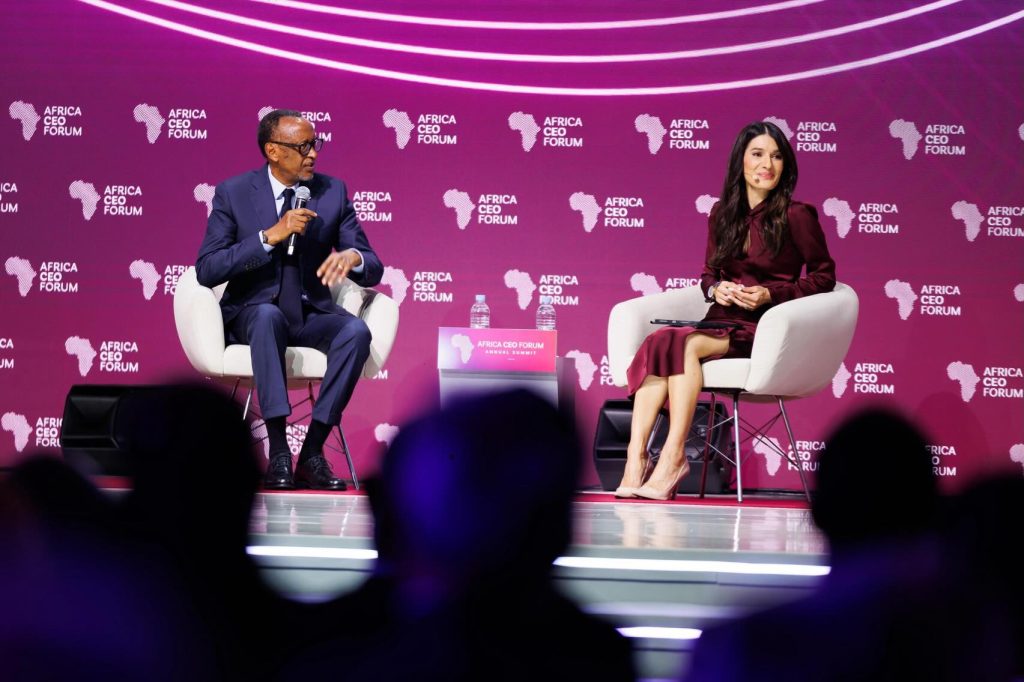
Kagame said forums such as the one in Kigali provide valuable opportunities for leaders and business executives to exchange ideas and learn from one another. He said Africa has significant potential that is not being fully utilized and emphasized that progress depends on cooperation and practical action.
He urged African leaders to focus on implementation rather than discussion, saying the continent’s future depends on how effectively it uses its own resources and capabilities.