
African governments are under growing pressure to turn mineral wealth into jobs and broader economic development as declining foreign assistance leaves the continent more exposed to future economic shocks.
At the IMF and World Bank meetings in Bangkok on Thursday, finance ministers from Guinea and Burkina Faso stressed the need to expand domestic value addition, while the IMF urged countries to use resource revenues to diversify their economies.
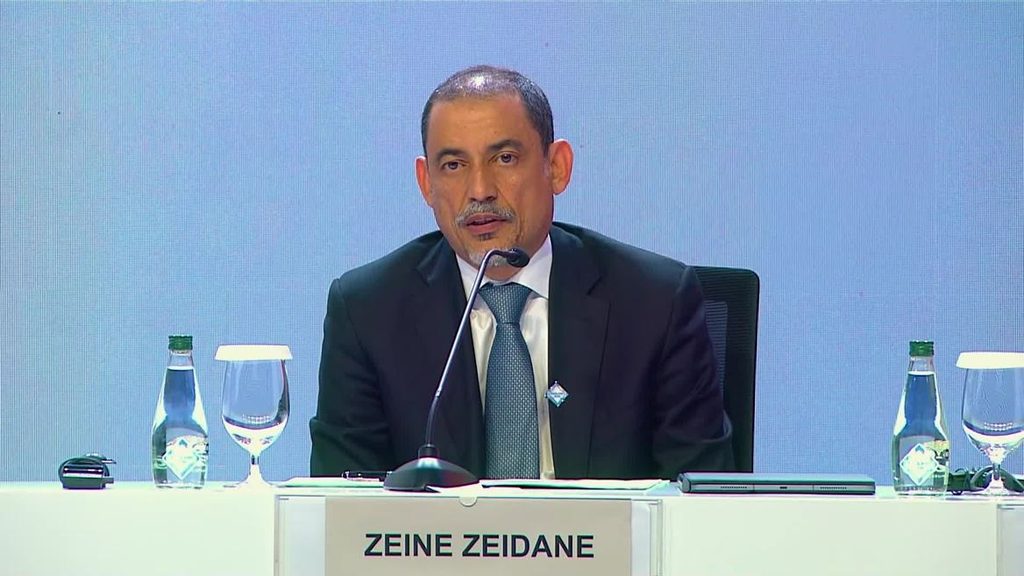
Development assistance to Africa fell sharply in 2025 and is projected to drop by another 12% in 2026, according to Zeine Zeidane, director of the IMF’s African Department.
The reduction comes as the continent continues to face risks from energy market disruptions linked to the Iran war, insecurity and possible climate-related shocks.
The IMF forecasts African economic growth of 4.5% this year, slightly above its previous estimate, rising to 5% in 2027. But Zeidane warned that weaker external support was reducing governments’ ability to respond to new pressures.
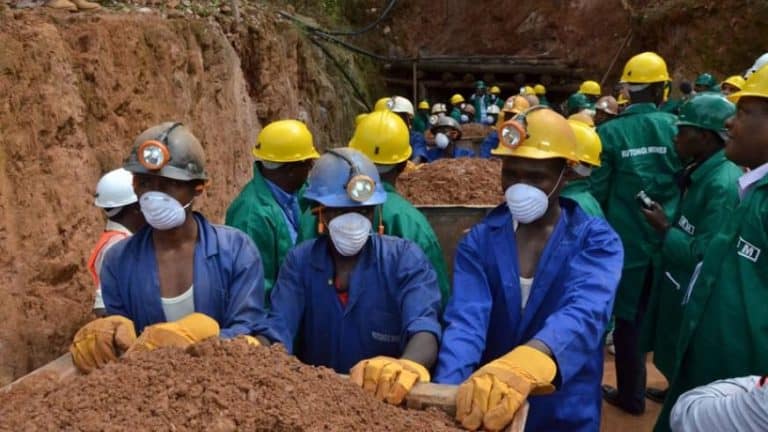
Against this backdrop, African officials are looking to mineral resources as a source of investment, industrial development and employment.
Mariama Cire Sylla, Guinea’s Minister of Economy, Finance and Budget, said a railway connecting the Simandou iron ore deposits to the coast was part of a long-term economic transformation programme.
Guinea possesses substantial mineral reserves, yet around half its population lives in poverty. The government hopes the Simandou project will help close that gap by generating economic activity beyond extraction.
“How can we leverage mining to really develop other sectors and diversify the economy?” Sylla said, pointing to limited financial resources and the need to establish new centres of investment and growth.
Burkina Faso’s Finance Minister, Aboubakar Nacanabo, said African countries needed to capture more value from resources such as gold, cobalt and copper rather than relying mainly on exports of raw materials.
“The first step is to create the value chain,” he said, adding that this could create opportunities for young people.
Burkina Faso, a major gold exporter, has opened its first gold refinery as its military-led government seeks greater economic sovereignty. Other West African countries have also been taking steps to expand control over their resources, including changing mining regulations and restricting certain exports.
Guinea and Ghana have recently restricted gold exports, while Mali has announced plans for a refinery with Russia’s Yadran Group. Ivory Coast has also announced plans to open a gold refinery next year.
For the IMF, the priority is ensuring that higher earnings from strategic minerals support broader economic development rather than leaving countries dependent on a narrow range of exports.
The fund has also encouraged governments to use artificial intelligence to improve productivity. Zeidane said AI adoption, adaptation and scaling could increase economic growth by more than 4% over 10 years, with potential benefits in agriculture, education, healthcare and government services.
He warned that Africa remained vulnerable to further shocks, including renewed energy supply disruptions, higher global risk aversion and extreme weather.
With development assistance declining, the ability to convert natural resources into productive investment and jobs is becoming a key part of the continent’s economic resilience.