
Rwanda and Liberia have signed a five-year agreement to strengthen local government institutions and improve public services across Liberia, with the modernisation of 15 county service centres among the main areas of cooperation.
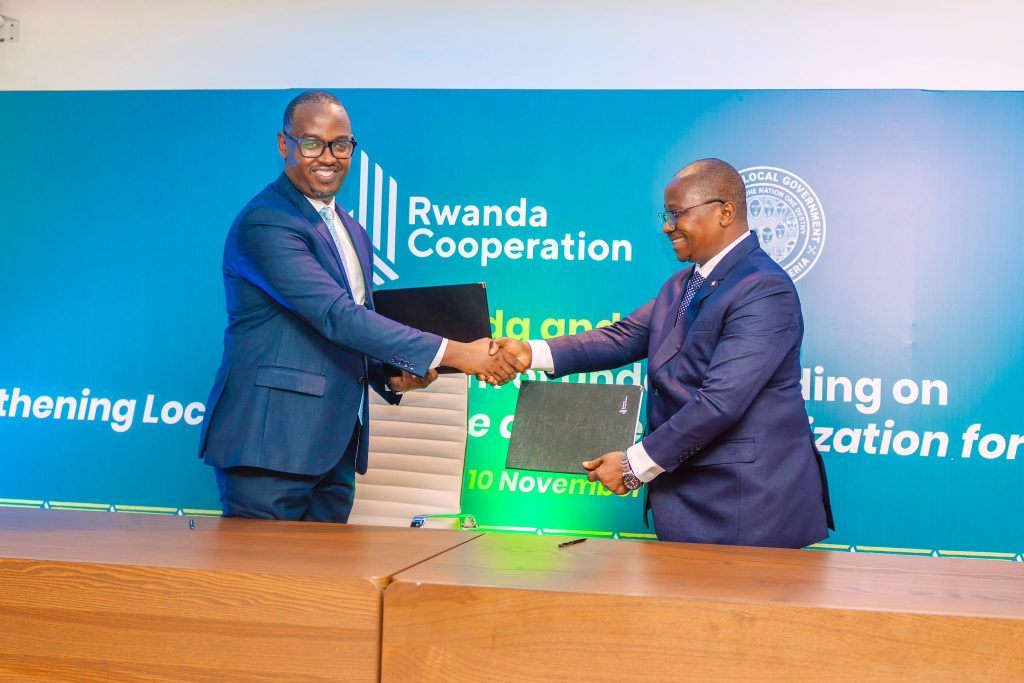
The memorandum of understanding, signed in Kigali on Tuesday, November 10, will enable the two countries to exchange expertise in digital public services, local revenue mobilisation, economic development and institutional capacity-building.
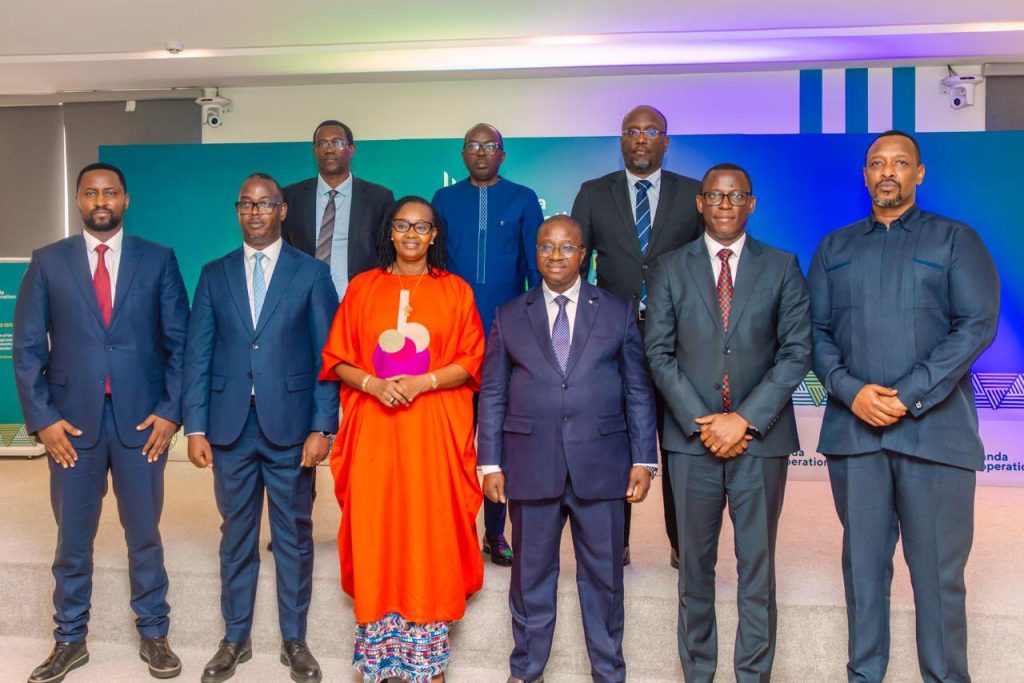
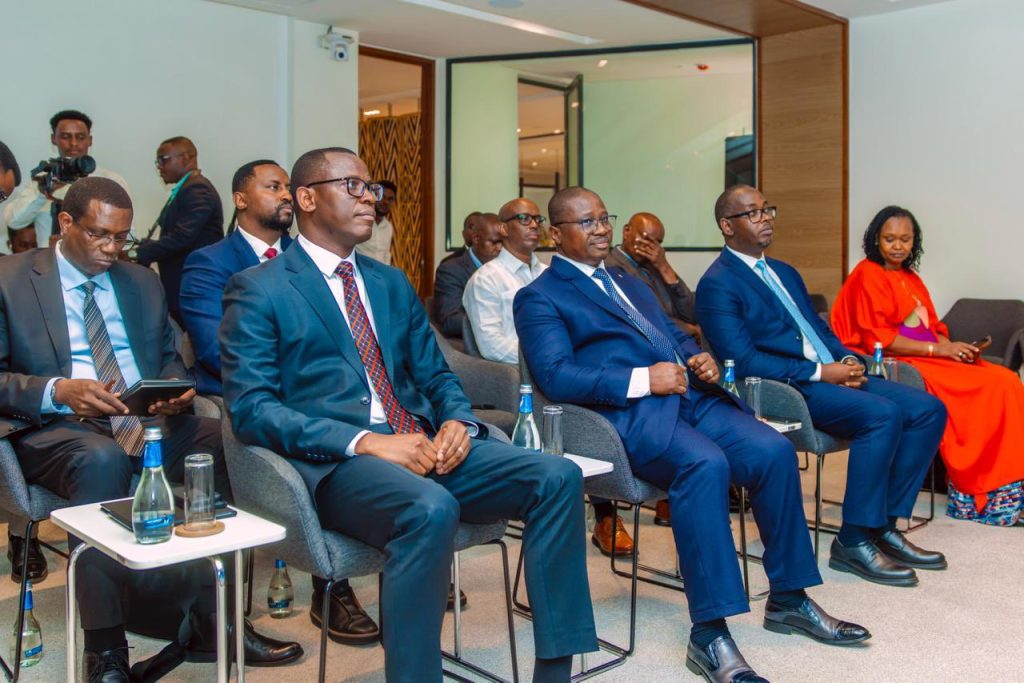
The agreement was signed by Richard Niwenshuti, Chief Executive Officer of Rwanda Cooperation, and Edward K. Mulbah, Liberia’s Deputy Minister for Local Government and Decentralisation. Rwanda’s Minister of Local Government, Dominique Habimana, and United Nations Resident Coordinator in Liberia, Christine N. Umutoni, witnessed the ceremony.
A central component of the partnership is the planned digital transformation of Liberia’s county service centres. The two countries will explore how Rwanda’s Irembo platform, which enables citizens to access public services digitally, could inform improvements in Liberia’s service delivery systems.
The cooperation will also cover fiscal decentralisation, domestic resource mobilisation, natural-resource value addition, local economic development and stronger local government institutions.
Under the fiscal component, the countries intend to exchange experience in local revenue administration, tax registries and revenue collection systems. Institutional cooperation will include technical support and training between Rwanda Management Institute and Liberia’s Local Government Training Institute.
Mulbah said Liberia had learned important lessons from Rwanda, particularly in the use of digital services such as Irembo and the implementation of decentralised governance.
He said the agreement would help Liberia draw on Rwanda’s experience while strengthening its own local government systems.
Habimana said the partnership would provide an opportunity for both countries to exchange information, share experience and learn from each other in public administration and economic development.
Niwenshuti said the cooperation would be based on adapting solutions to Liberia’s circumstances rather than simply transferring Rwanda’s systems.
“Solutions will be co-created and adapted to Liberia’s context, not copied and pasted,” he said.
The agreement builds on several years of institutional exchanges. Rwanda Cooperation hosted 22 delegations from Liberia, comprising 139 delegates, between November 2018 and June 2026. Their study visits covered public finance management, land and tax administration, procurement, digital services and institutional development.
The memorandum will remain in force for five years. Each country is expected to appoint a focal person within 30 days, while a joint implementation plan is due within 90 days. A joint coordination committee will oversee implementation and meet at least twice a year.
The planned cooperation will therefore move beyond study visits towards a structured programme of technical support, institutional development and improvements to public services in Liberia’s 15 counties.