

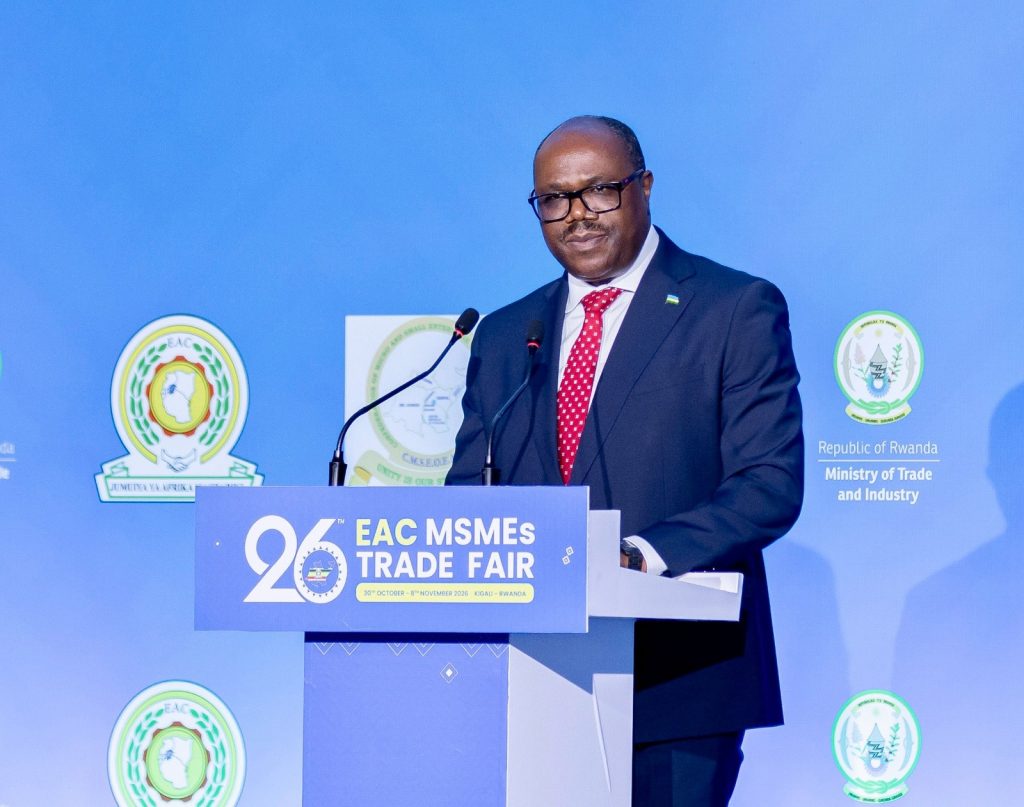
East African businesses have been urged to invest more in processing agricultural produce and animal hides into finished products, as countries seek to retain a greater share of the value generated from their natural resources.
Prime Minister Justin Nsengiyumva said the region needed to move beyond exporting raw materials and strengthen industries that can turn locally produced goods into products capable of competing in larger markets.
He made the remarks on November 3, 2026, while opening the 26th East African Community (EAC) Small and Medium Enterprises Trade Fair at the Gikondo Expo Grounds in Kigali.
The exhibition, which runs from October 30 to November 8, has attracted about 1,500 exhibitors from across the EAC and other African countries. This year’s theme focuses on developing regional value chains in leather and horticulture, including fruits, vegetables and flowers.
Nsengiyumva said opportunities in horticulture extended beyond growing and harvesting crops to include storage, cold-chain facilities, packaging, processing and distribution.
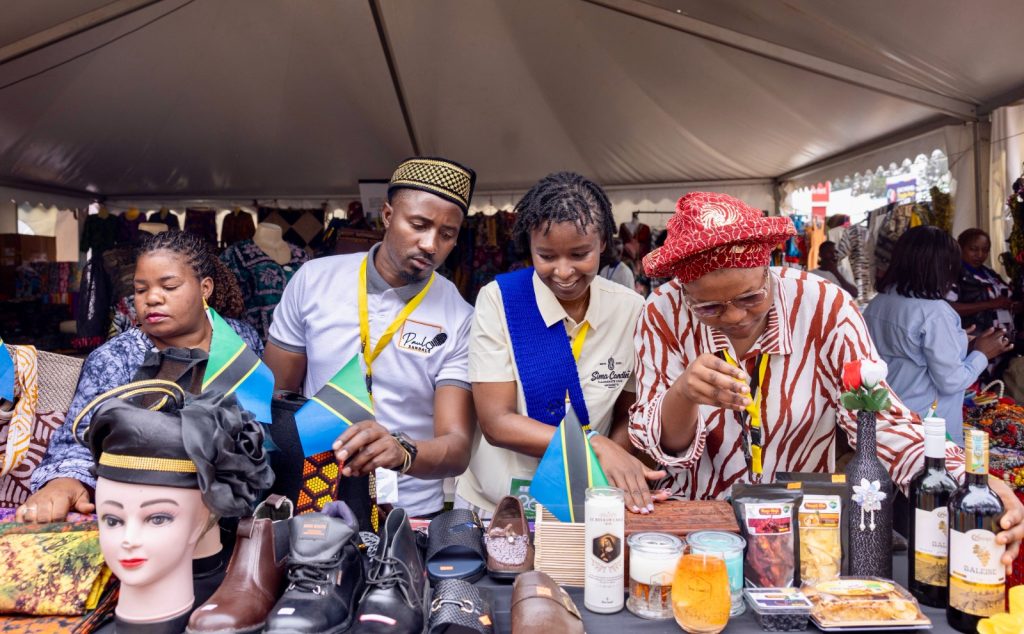
He said countries should also strengthen their leather industries by investing in the processing of hides and skins and manufacturing finished goods such as footwear, rather than depending mainly on exports of unprocessed materials.
The Prime Minister said businesses could benefit from working across borders, with farmers in one country supplying produce to processors in another, while manufacturers source raw materials, technology and services from neighbouring markets.
He said regional cooperation could help businesses access larger markets and build industries with the capacity to compete beyond East Africa.
However, entrepreneurs still face challenges including high borrowing costs, difficulty finding reliable buyers and expensive transport when moving goods across borders.
Nsengiyumva called for the removal of non-tariff barriers, simpler customs procedures, improved transport and logistics systems, and better access to finance for cross-border businesses.
He also identified digital trade and interoperable payment systems, including the Pan-African Payment and Settlement System (PAPSS), as tools that could make regional transactions faster and more affordable.
Rwanda, he said, was investing in industrial zones, stronger links between farmers and processors, and infrastructure to support the movement of goods. These include the Kigali Logistics Platform and a modern wholesale market for horticultural produce.
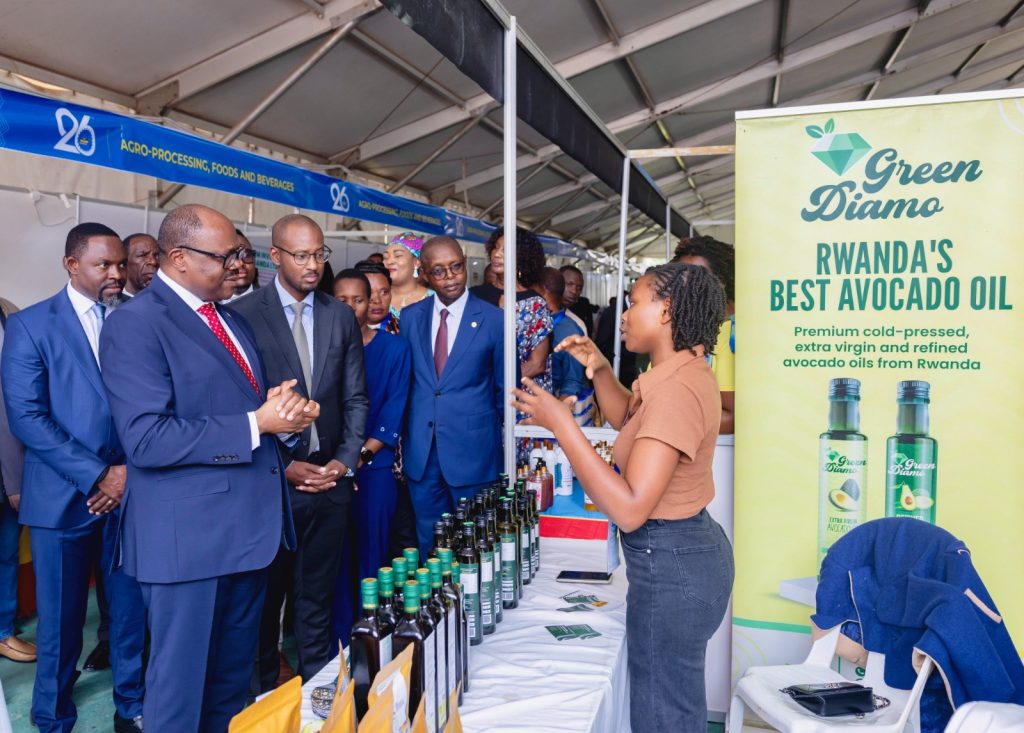
The Prime Minister also encouraged businesses to explore opportunities beyond the EAC through the African Continental Free Trade Area and the Southern African Development Community.
The annual trade fair, established in 1999, brings together entrepreneurs to showcase products, identify buyers and establish partnerships. This year’s participation of about 1,500 exhibitors reflects the platform’s role in connecting businesses from different markets.
Nsengiyumva said small and medium-sized enterprises were important to employment and innovation, particularly among women and young people. He urged business owners to set ambitious goals and expand their operations, assuring them of support from public institutions.
He said stronger regional value chains would allow businesses to draw on resources, skills and markets across national borders instead of operating within the limits of their domestic economies.