
Police officers from 10 East African countries are meeting in Kigali to strengthen their response to gender-based violence and improve how law enforcement agencies deliver services to the public.
The five-day training programme is designed to equip officers with practical skills to promote gender equality in policing, protect human rights and dignity, and help prevent and investigate gender-based violence.
The initiative brings together police officers and other law enforcement personnel from Burundi, Comoros, Djibouti, Ethiopia, Kenya, Somalia, South Sudan, Sudan, Uganda and Rwanda under the Eastern Africa Police Chiefs Cooperation Organisation (EAPCCO).
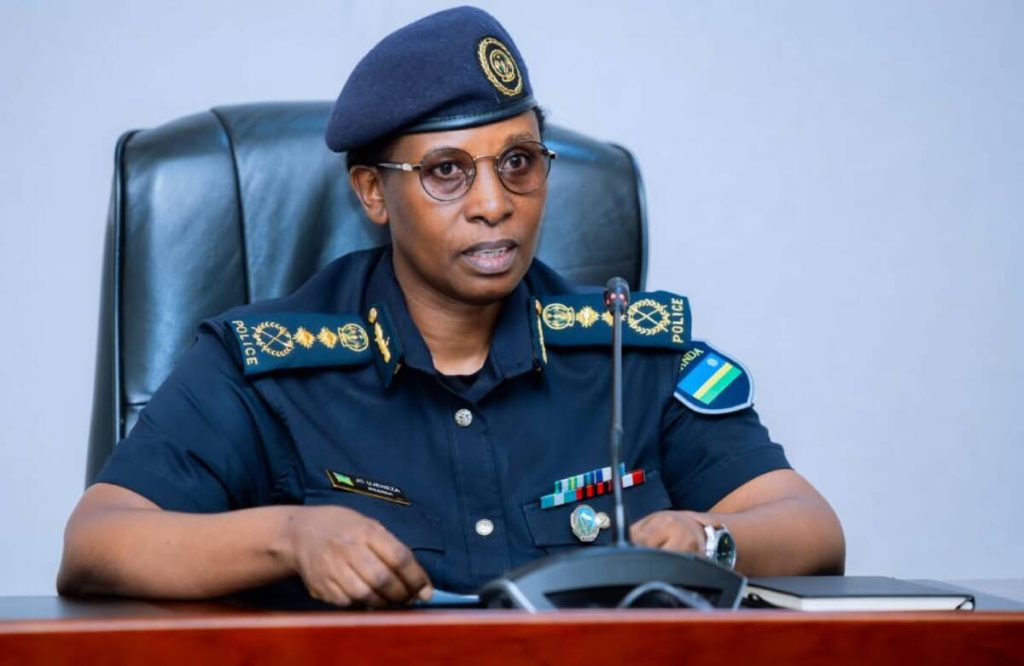
Rwanda’s Deputy Inspector General of Police in charge of Administration and Personnel, Jeanne Chantal Ujeneza, opened the training on Tuesday, urging participants to take the lessons back to their respective institutions and share them with colleagues.
She said the programme’s success should ultimately be measured by improvements in public satisfaction with police services and officers’ ability to identify, prevent and investigate gender-based violence and provide appropriate assistance to those affected.
The training follows the development of two resources intended to help law enforcement agencies integrate gender considerations into their work: a handbook on gender-responsive law enforcement and a manual to guide officers tasked with training their colleagues.
Participants are expected to review the materials and provide feedback before they are adopted more widely across EAPCCO member countries.
Apollo S. Africa, secretary general of EAPCCO and head of the Interpol Regional Bureau for Eastern Africa, said the handbook alone would not be enough to ensure effective implementation.
He said the organisers recognised the need to explain and test the guidance with officers who had not been involved in drafting it. A separate training manual was therefore developed to help trainers pass the knowledge on to colleagues in their home countries.
Africa urged participants to assess how the materials could be adapted to the circumstances and needs of their respective countries.
Ujeneza said the training-of-trainers approach would help build local capacity by equipping participants with the knowledge and methods needed to train other officers on gender equality, gender-responsive services and respect for human rights.
The materials were developed under the Supporting Every Step of the Way project, implemented in partnership with the United Nations Office on Drugs and Crime (UNODC) and UN Women, with support from the German government.
The project aims to help law enforcement institutions incorporate gender equality into policing and strengthen their handling of cases involving gender-based violence and other gender-related concerns.