
Cassava seed entrepreneurs in Rwanda are gaining access to larger quantities of clean planting materials through a technology that has helped increase multiplication capacity at a national research station from about 100,000 to as many as 300,000 plantlets annually.
The technology, known as Semi-Autotrophic Hydroponics (SAH), was introduced by the International Institute of Tropical Agriculture (IITA) at the Rwanda Agriculture and Animal Resources Development Board (RAB) station in Rubona in 2019.
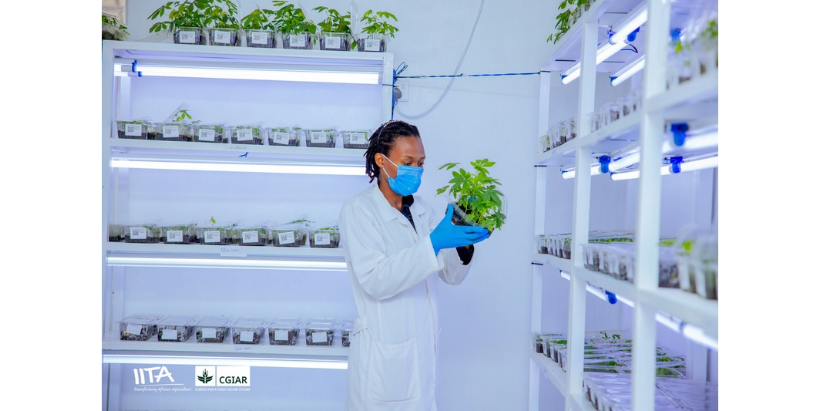
It allows technicians to multiply cassava plantlets in a controlled environment, helping increase production while limiting the risk of disease transmission through planting materials.
For farmers, the increase matters because cassava can be affected by viral diseases spread through infected planting materials. Access to healthy planting stock is therefore important for establishing productive crops.
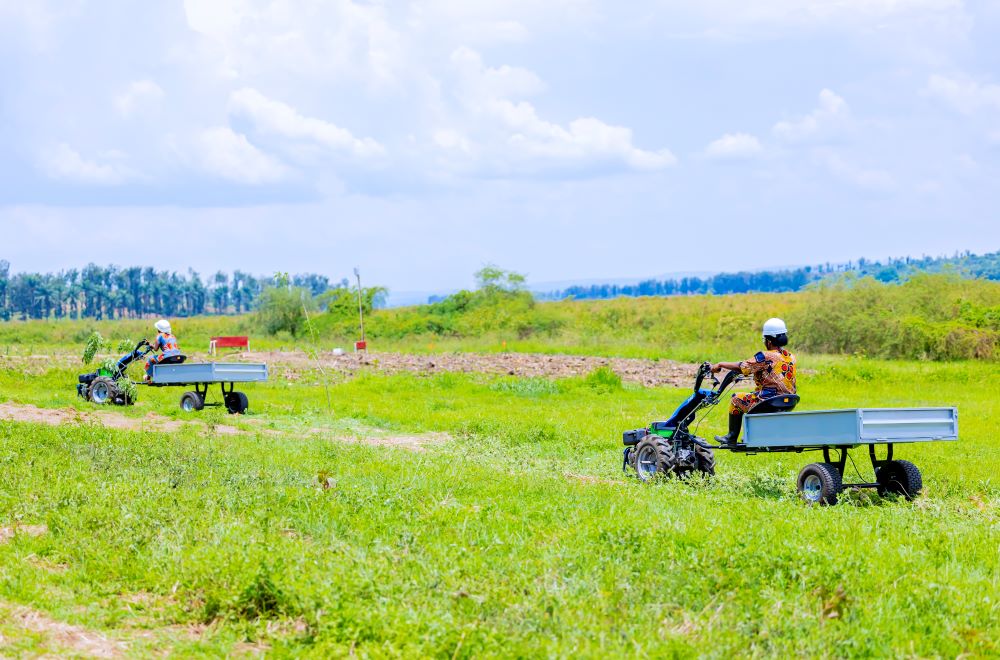
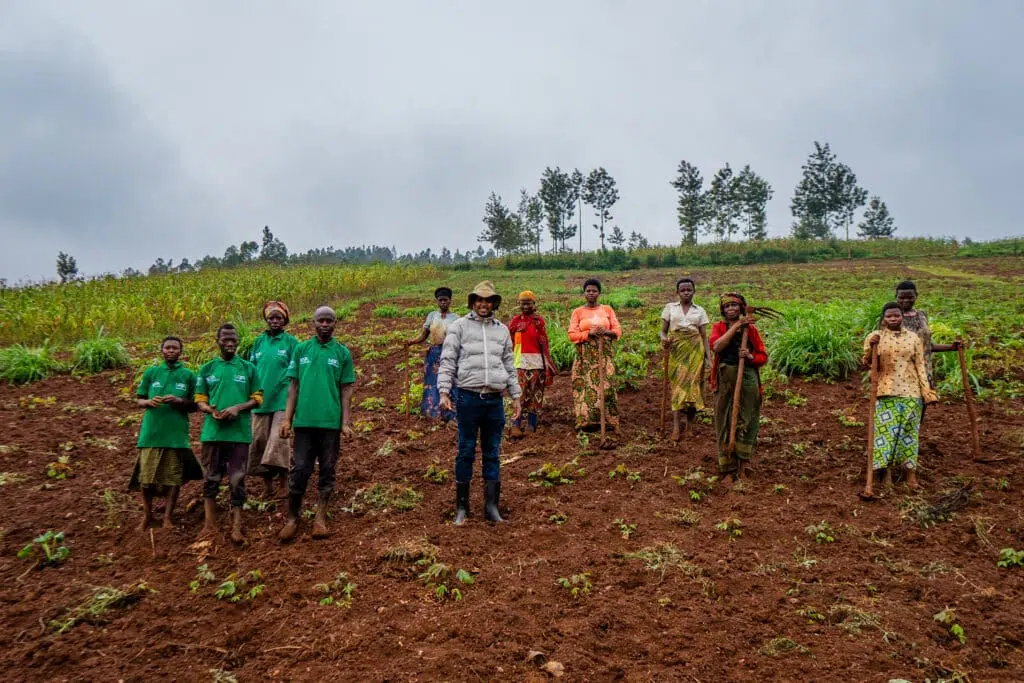
The technology is also supporting a network of seed entrepreneurs who multiply planting materials beyond the research station and distribute them closer to farming communities.
Through the ViRCA Deployment project, 52 cassava seed entrepreneurs across Rwanda have been trained and supported to multiply clean cassava seed while maintaining its quality.
Mukamusoni Alexia, a certified seed entrepreneur in Ruhango District, said the training and cooperation among seed multipliers had helped improve the availability of planting materials in her community.
She is currently multiplying more than 32,000 plantlets during the agricultural season and expects to produce more than 300,000 plantlets at harvest. These will be supplied to other seed multipliers for further propagation into quality-declared seed.
“This technology has helped to increase the availability of clean cassava planting materials in our community,” Mukamusoni said.
She added that seed entrepreneurs had received training from partners including the Rwanda Agriculture and Animal Resources Development Board, IITA, MEDA and Ingabo Syndicate.
At the Rubona station, the SAH laboratory provides the initial multiplication stage before planting materials move through the wider seed system. RAB technicians say annual production capacity has risen from around 100,000 plantlets under conventional screenhouse methods to as many as 300,000 using the technology.
Severin Ntivuguruzwa, a cassava breeder research fellow at RAB, said the approach had enabled technicians to produce more plantlets in less space and in a shorter period.
IITA has also trained RAB technicians in operating and managing the laboratory. Sabrine Umugwaneza, who trained at IITA headquarters in Ibadan, Nigeria, in 2019, said SAH was faster than the traditional approach and used fewer, simpler materials.
Dr Silver Tumwegamire, an IITA cassava breeder, said higher multiplication rates and lower production costs could help make planting materials more affordable.
RAB is building additional SAH facilities with partners to increase production capacity. Four facilities have already been built across Rwanda, as efforts continue to expand the supply of clean planting materials available to seed multipliers and farmers.