
High certification costs, limited consumer awareness and weak market infrastructure are among the obstacles Rwanda’s agroecology sector must overcome as the country seeks to expand sustainable farming practices, participants at a national symposium said.
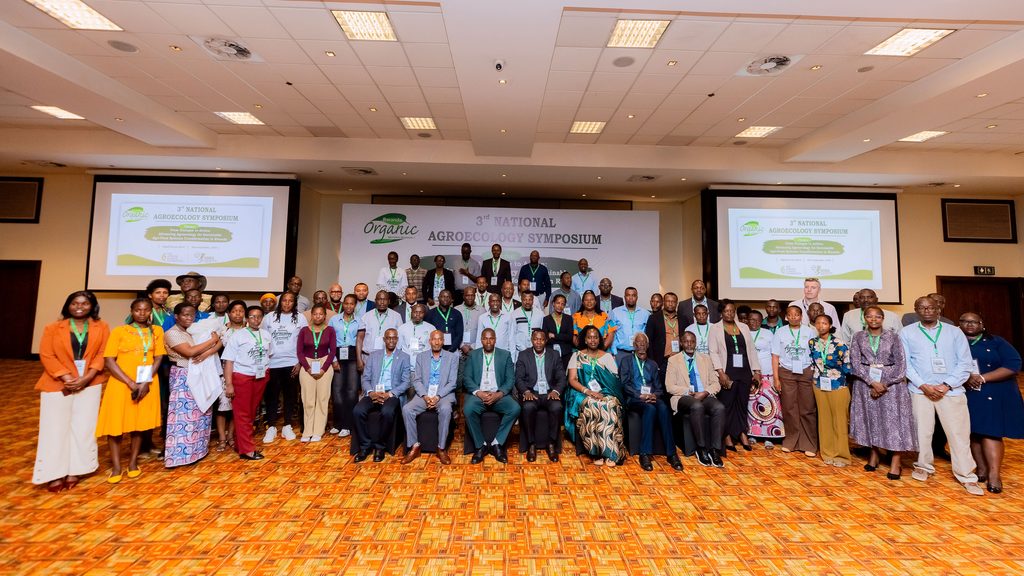
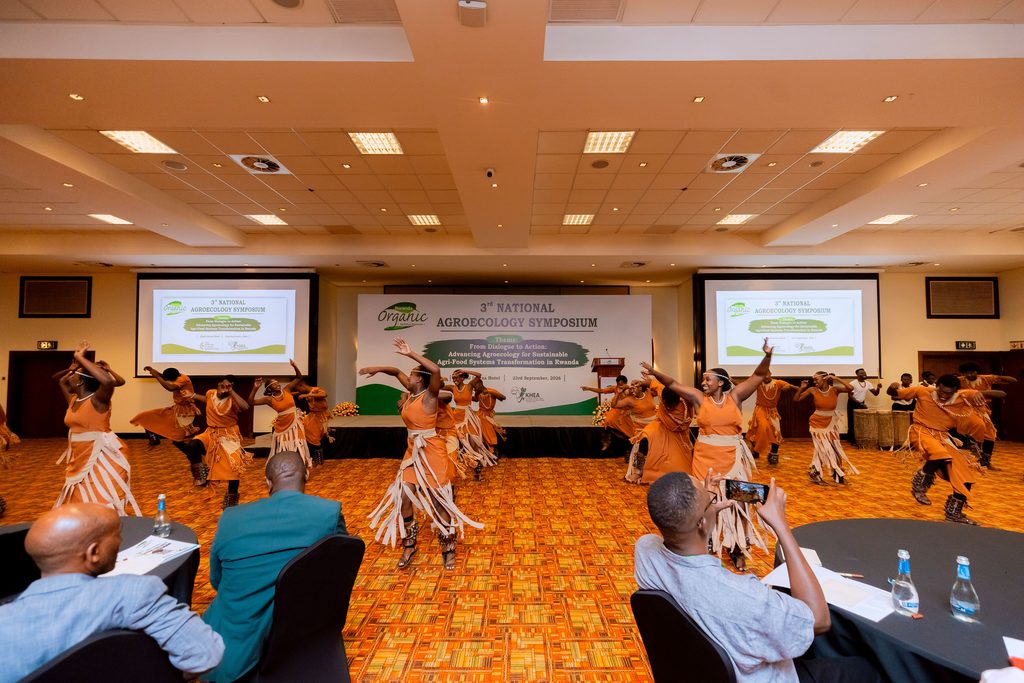
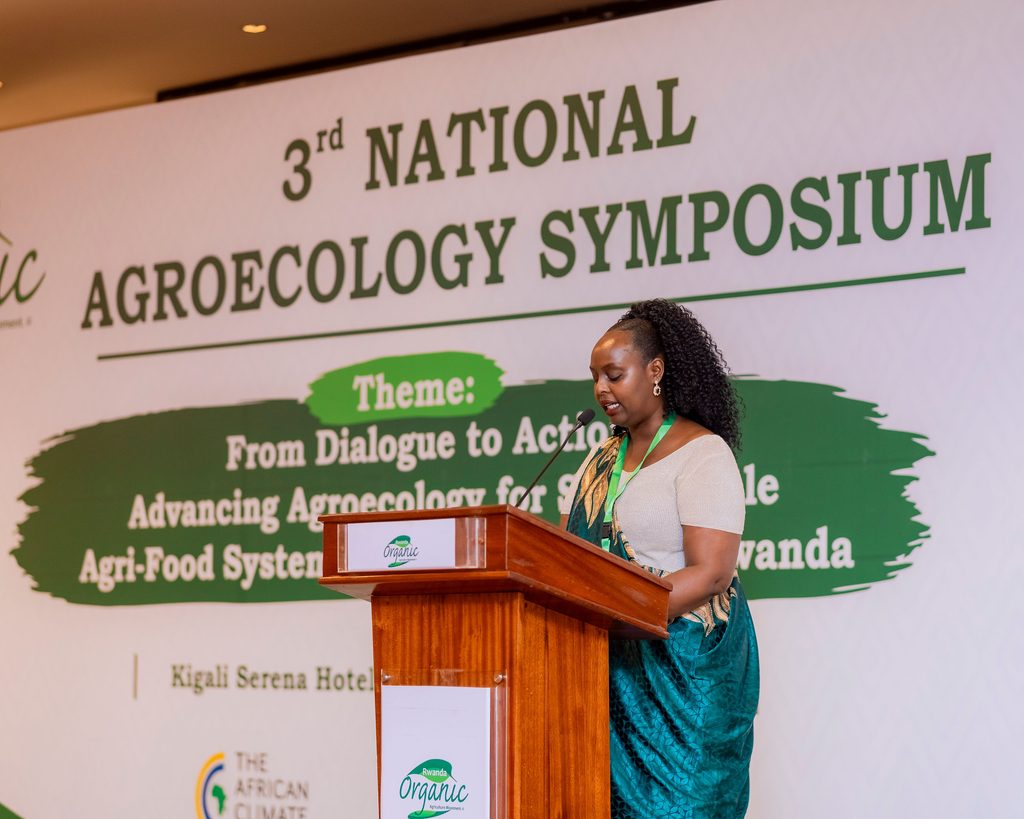
The challenges were highlighted at the third National Agroecology Symposium in Kigali on Sept. 23, organised by the Rwanda Organic Agriculture Movement (ROAM) under the theme “From Dialogue to Action: Advancing Agroecology for Sustainable Agri-Food Systems Transformation in Rwanda.”
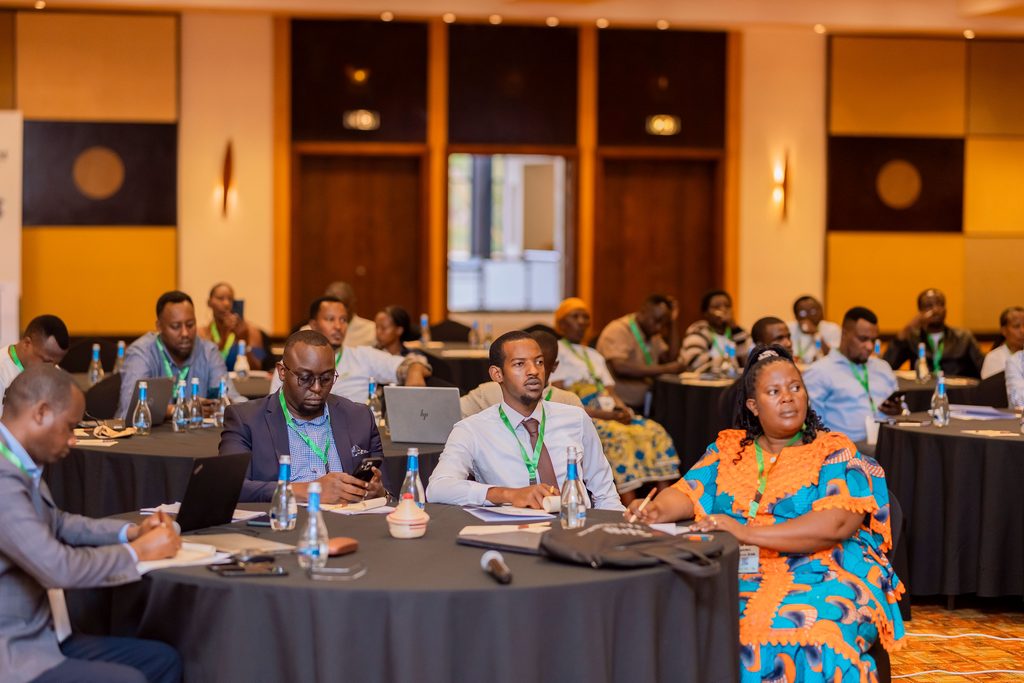
The meeting brought together farmers, researchers, policymakers, civil society organisations, private-sector actors and development partners to discuss how agroecology can be integrated into Rwanda’s agri-food system while improving soil health, biodiversity, food production and market access.
A presentation on trade, markets and economic pathways for agroecological transition identified quality assurance as an important requirement for building consumer confidence and opening markets for organic and agroecological products.
It outlined three verification approaches: first-party systems, alternative or second-party systems including Participatory Guarantee Systems (PGS), and third-party certification. While third-party certification can help larger operators targeting export markets, the presentation noted that it can involve significant costs and paperwork.
PGS was presented as a potentially more accessible option for groups of small-scale farmers because it can be adapted to local conditions and involve different actors in verifying production practices.
The presentation also identified limited consumer awareness, inadequate infrastructure, insufficient investment and difficulties complying with market requirements as constraints facing producers.
Lise Chantal Dusabe, CEO of ROAM, said the organisation has supported two farmer groups through PGS, which resulted in certification and permission to use the Kilimohai trademark for organic products sold on the domestic market.
ROAM has also trained 460 multipliers in organic and agroecological practices, who have gone on to share the knowledge with more than 5,000 farmers, Dusabe said.
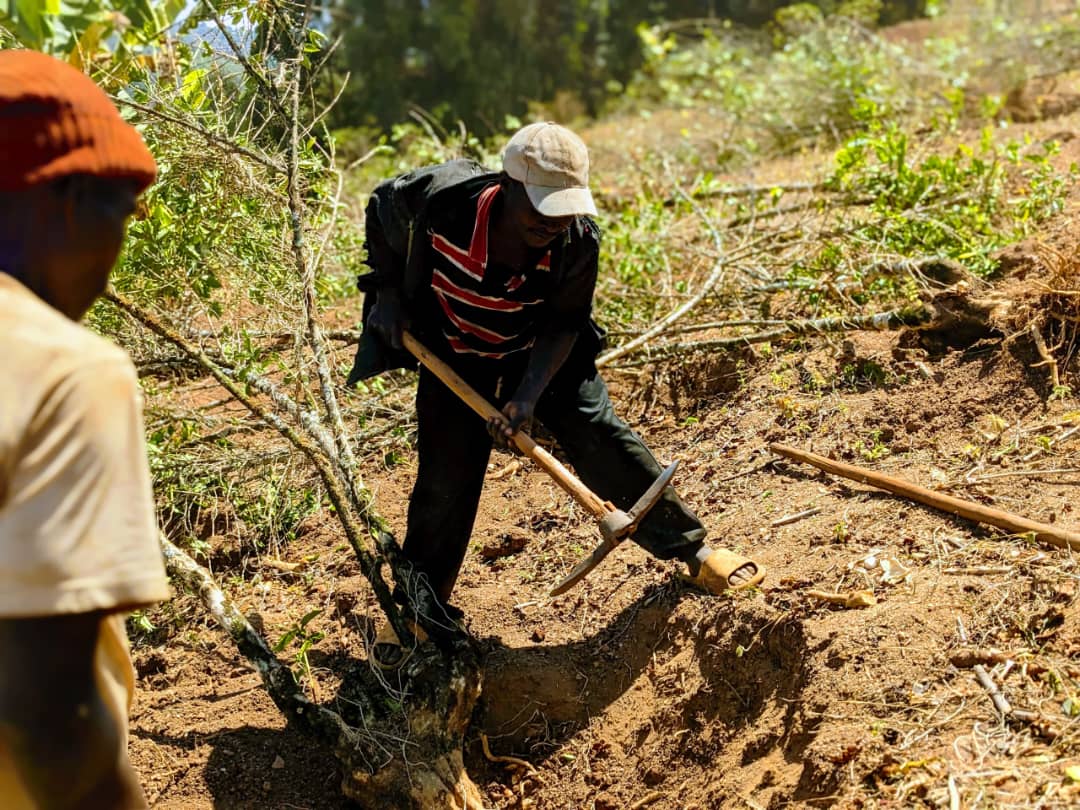
The organisation has distributed 169,000 agroforestry seedlings, including fruit, timber, shade and riparian trees, to about 4,000 farmers, she said.
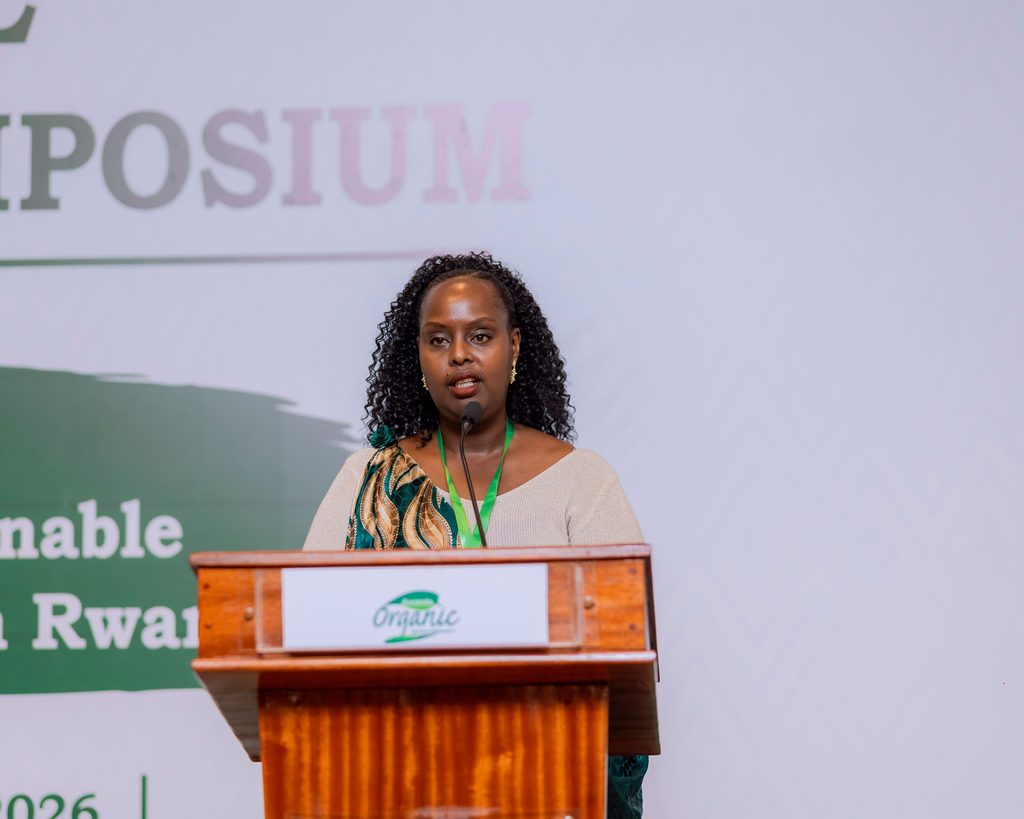
Dusabe said ROAM had also supported companies and cooperatives seeking to comply with European Union organic regulations and was contributing to the development of Rwanda’s national agroecology strategy, led by the Ministry of Agriculture and Animal Resources.
She said persistent challenges included input availability, the cost of certification, limited access to knowledge and research, infrastructure, packaging and branding.
Government officials at the symposium stressed that market development needs to be matched with stronger research, extension and farmer participation.
Jean Claude Izamuhaye, head of the Crop Innovation and Technology Transfer Department at the Rwanda Agriculture and Animal Resources Development Board, said farmers, cooperatives, women and youth should participate in planning, implementing innovations and the learning process.
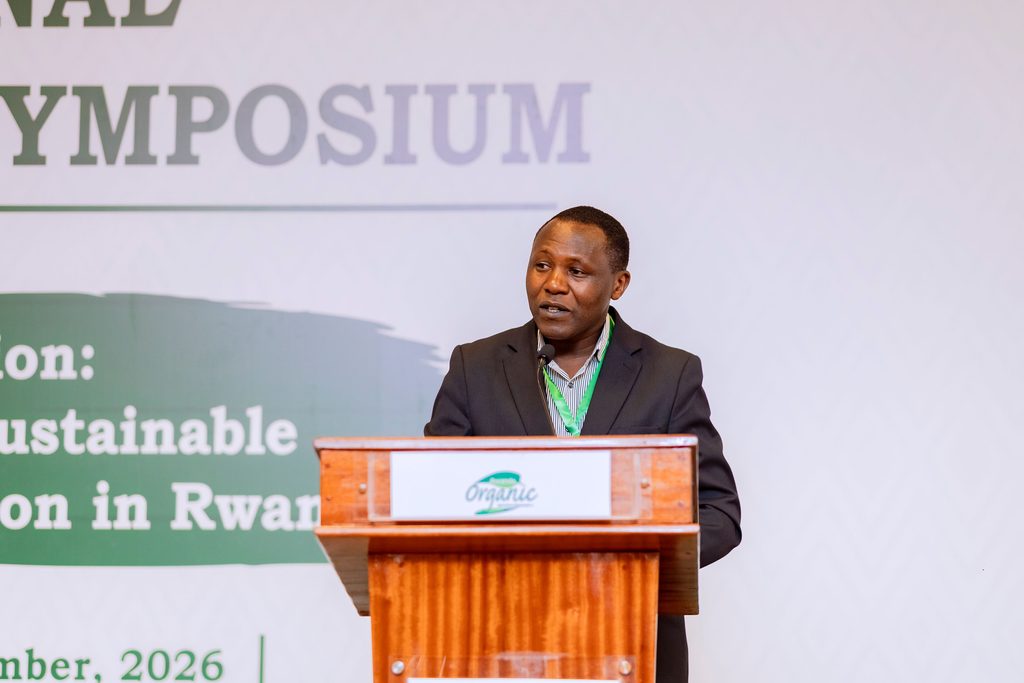
Speaking on behalf of the agriculture minister and RAB director general, Izamuhaye called for commitments to scale proven agroecological practices, strengthen farmer-centred research and extension, develop viable markets and certification, mobilise sustainable finance and improve coordination among institutions.
The symposium also examined policy and institutional coordination, collective leadership in scaling sustainable agriculture through the RCA Coalition, and evidence from tillage and mulching trials in Musanze, Bugesera and Kayonza.
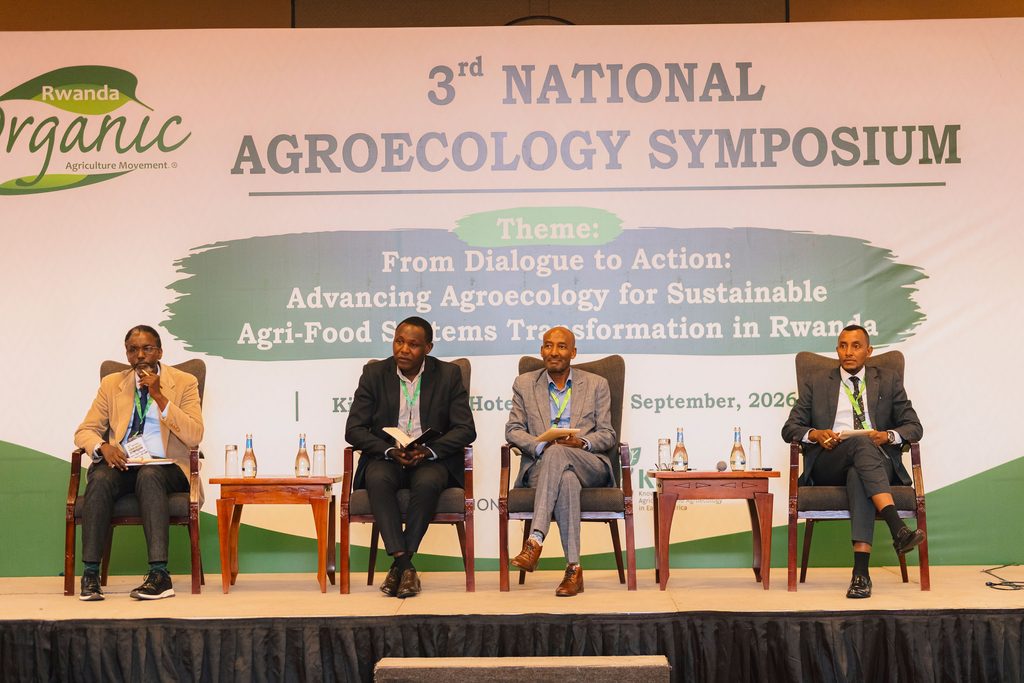
The meeting built on a second national agroecology symposium held in July 2025 and was intended to turn previous discussions into practical measures for strengthening knowledge, policy, innovation and market access.
The organisers had targeted more than 150 participants and 20 exhibitors for the Kigali event.