
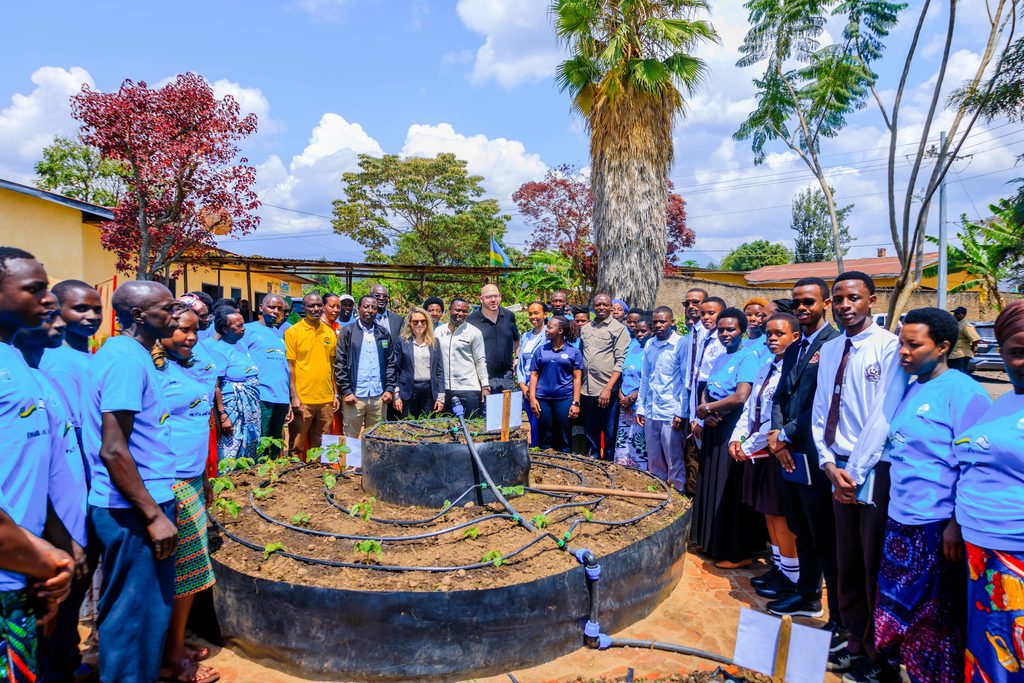
Yalla Yalla Group Ltd is implementing a five-year initiative in Musanze that uses demonstration kitchen gardens, nutrition education and simple irrigation techniques to help households improve diets and contribute to the district’s effort to reduce stunting.
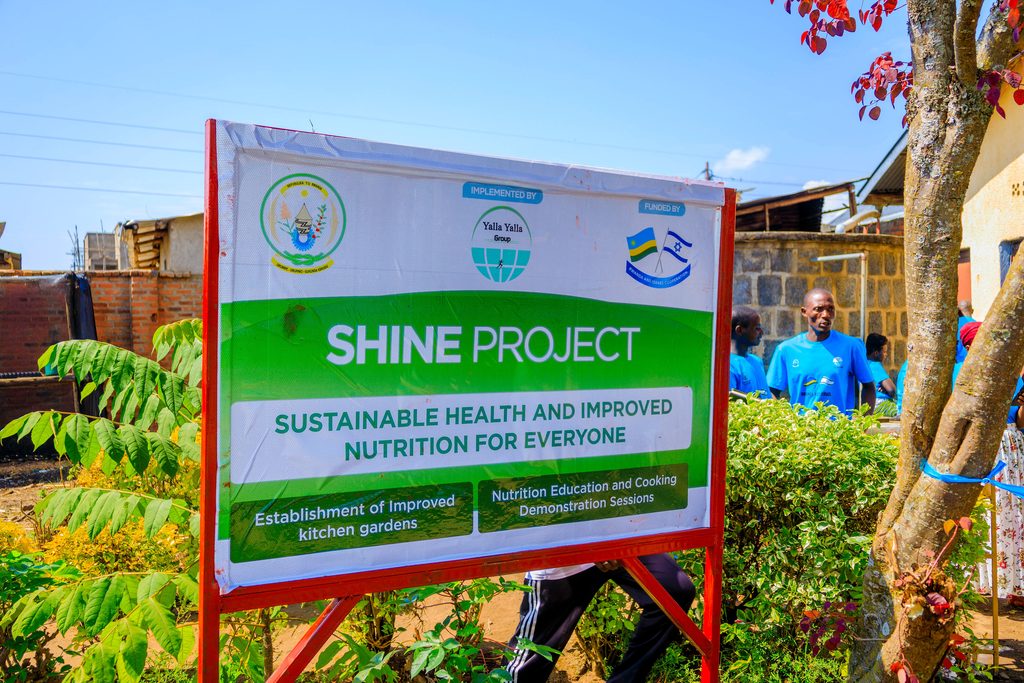
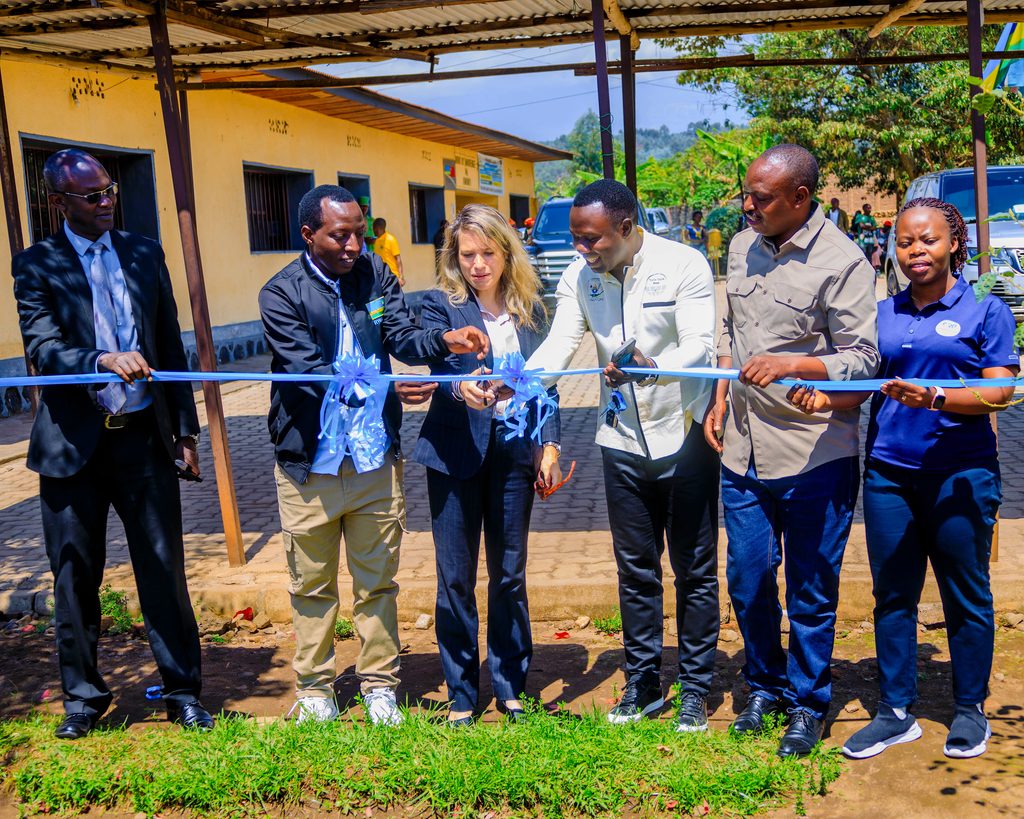
The Sustainable Health and Improved Nutrition for Everyone (SHINE) Project, implemented by Yalla Yalla in partnership with the Embassy of Israel and Musanze District, was commissioned by Israel’s Ambassador to Rwanda, Einat Weiss, on Sept. 24 in Kimonyi and Nkotsi sectors.
Musanze’s stunting rate currently stands at 31.9%, down from 45.9% recorded about five years ago, according to Vice Mayor in Charge of Social Affairs Kayiranga Theobald. The district aims to bring the rate down to 15% by 2029.
“Eliminating stunting means growing vegetables so that children can eat vegetables, and ensuring that their parents prepare balanced diets for them,” Kayiranga said.
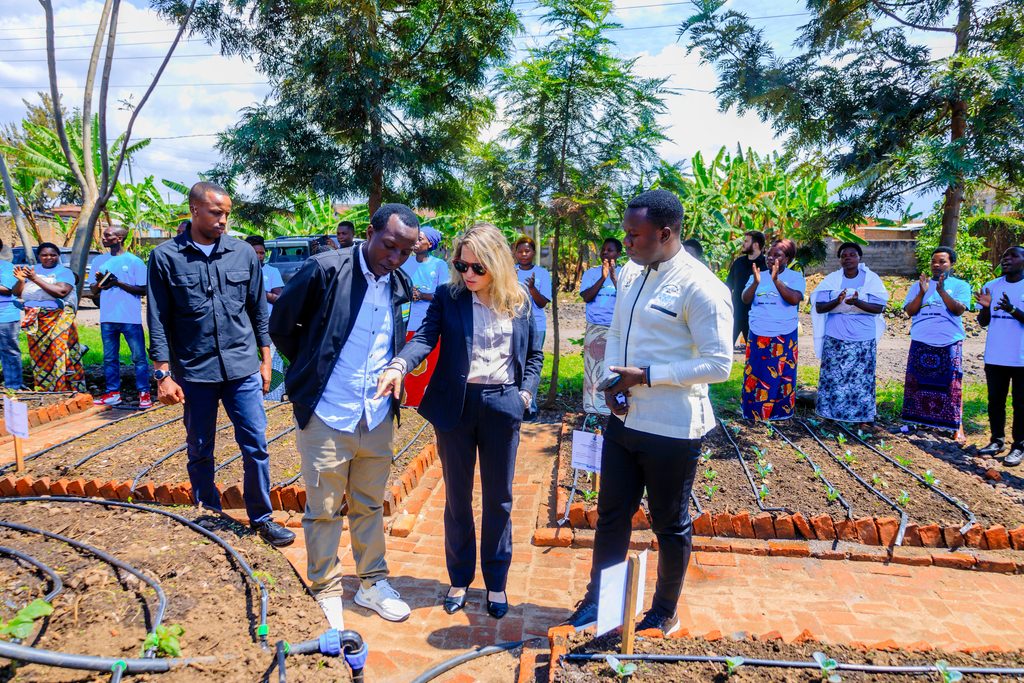
The project began in five sectors — Nkotsi, Muko, Kimonyi, Busogo and Kinigi — and combines vegetable production with lessons on nutrition and food preparation. It plans to expand to 15 sectors across Musanze before potentially reaching other parts of the country.
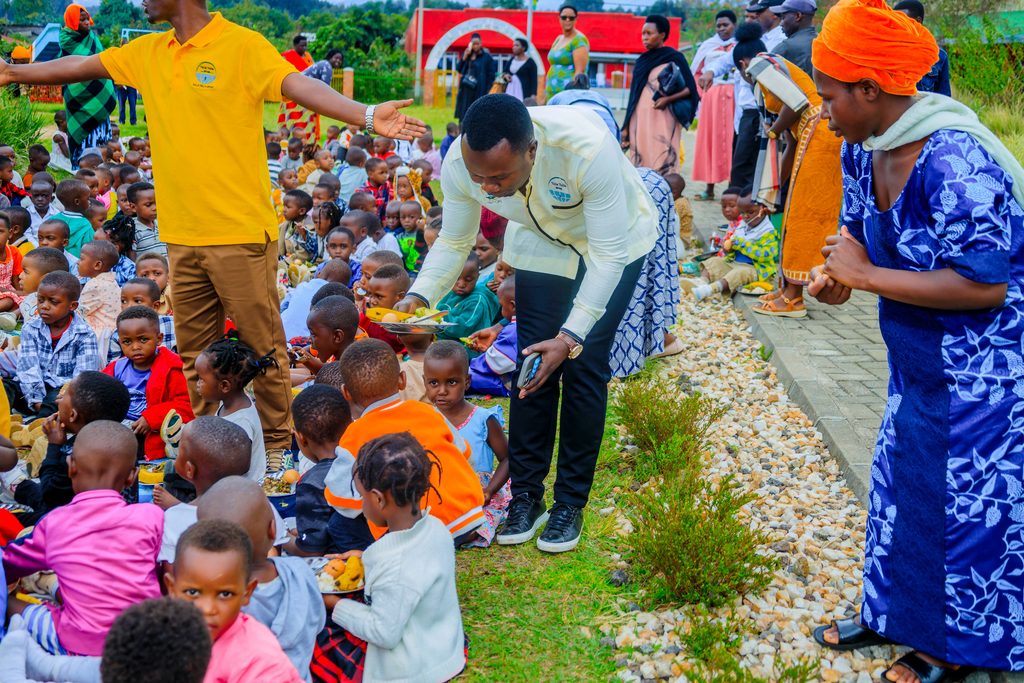
The programme also extends its nutrition focus to young children. During the visit, Yalla Yalla fed 336 children at an early childhood development (ECD) centre in Mpanga Cell, Kinigi Sector, as part of its focus on improving nutrition among young children.
Yalla Yalla CEO Ndayizeye Emmanuel said the programme teaches parents how to prepare balanced meals while showing them how vegetables can be produced at household level.
“We call them kitchen garden promoters because we need them to take these skills to their village,” Ndayizeye said.
The initiative has trained 50 people, 10 from each of the five participating sectors, as kitchen garden promoters. At least 350 children have also been reached through lessons on balanced diets involving their parents.
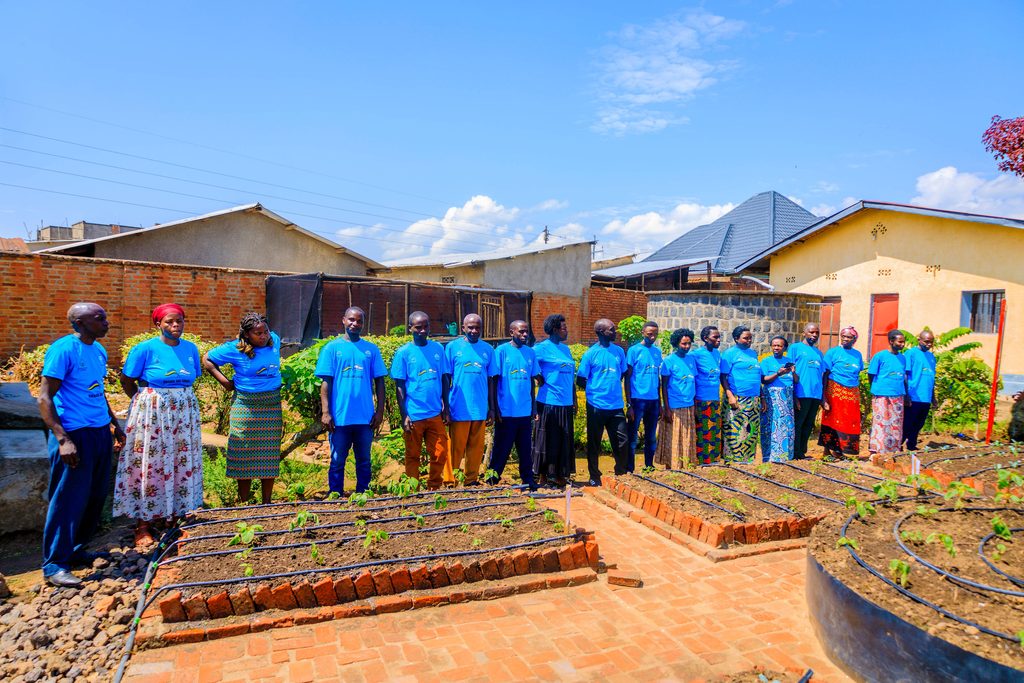
The project is supported by about $100,000 contributed by Yalla Yalla, the Israeli Embassy and Musanze District, according to Ndayizeye.
The trained promoters are expected to share the practices with other households, helping the project continue beyond the demonstration sites.
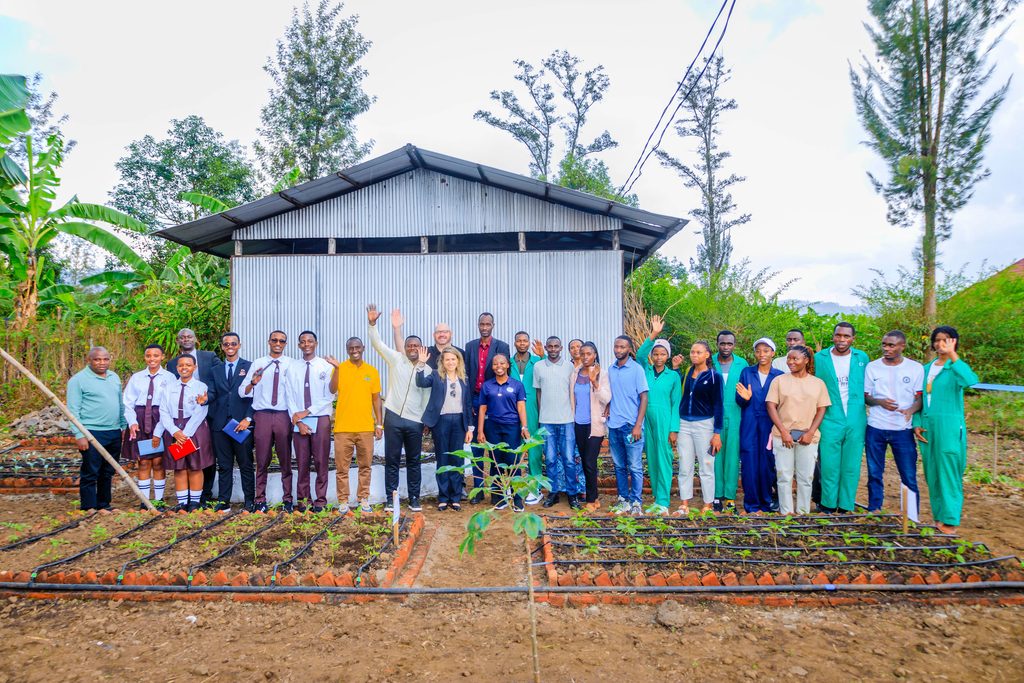
Ambassador Weiss said the project introduces agricultural techniques drawn from Israel, including drip irrigation and improved approaches to planting and seed selection. She said simple irrigation systems could help farmers use water more efficiently without necessarily requiring expensive technology.

“The idea is that irrigation is not high-tech,” Weiss said.
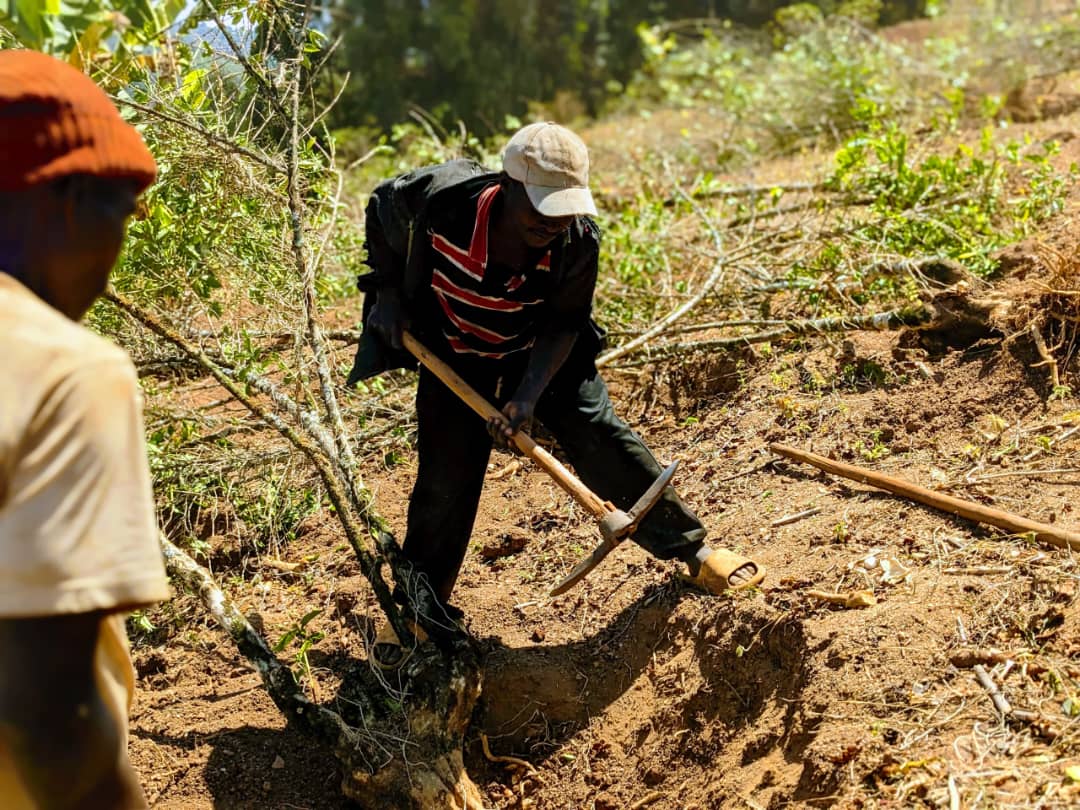
In Kimonyi, resident Nzabonimpa Emmanuel said the demonstration had changed how he viewed vegetable growing, particularly the importance of spacing crops. He said residents could reproduce the gardens using simple materials such as sacks or old basins filled with soil and manure.
He plans to grow amaranth, carrots and onions in separate rows and share what he has learned with other residents.
The district is also using radio, social media and community outreach to promote better nutrition, while two nutritional centres in Nkotsi and Kinigi are serving as training points for residents.
Kayiranga said the wider aim is for more households to establish kitchen gardens and use the produce as part of balanced meals as the district works towards its 2029 stunting target.