
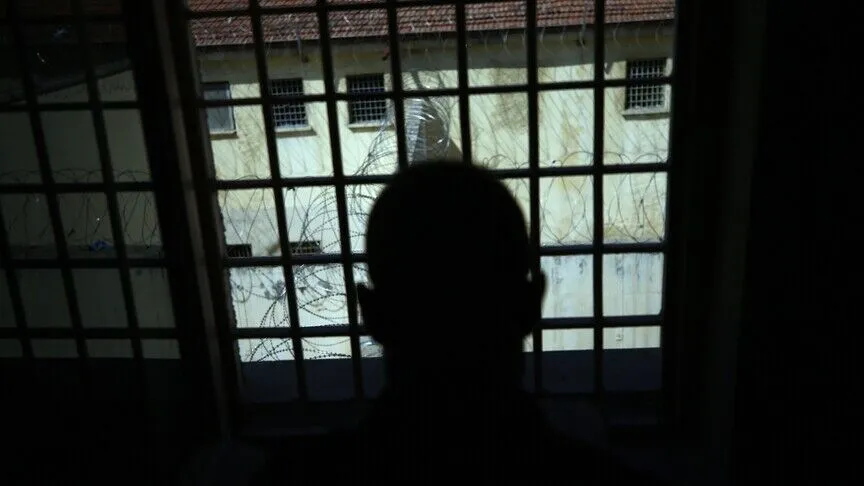
A Dutch court on Friday sentenced a 66-year-old Rwandan-born Dutch citizen to life in prison for taking part in massacres during Rwanda’s 1994 genocide, finding that he helped attack Tutsi civilians and prevented people seeking refuge from escaping.
The Hague District Court found Eugene N. guilty of genocide and war crimes in connection with attacks on two predominantly Tutsi communities in Rwanda.
The court said he participated in the attacks, during which homes were looted and burned and civilians were killed. It found that about 3,000 people were massacred.
Thousands of Tutsis later sought safety at a stadium, with between 5,000 and 7,000 people gathering there.
According to the court, Eugene N. helped prevent people from leaving the stadium. Those sheltering there were attacked with gunfire and stones, and the court found that he was among those who threw grenades into the crowd.
The court said it could not establish that he had encouraged others to commit genocide. It nevertheless found that his own actions made him responsible for his contribution to the massacres.
Dutch broadcaster NOS reported that the defendant was a Dutch national born in Rwanda.
The court said the attacks were accompanied by calls to kill the Tutsi population. Victims’ possessions were taken and their homes set on fire during the violence.
In handing down the life sentence, the court said the defendant’s conduct showed a serious disregard for human life and dignity.
The prosecution followed a yearslong investigation by Dutch authorities. Police and an investigating judge interviewed more than 30 witnesses, most of them in Rwanda, according to the court.
Nine victims or relatives of victims attended the trial earlier this year.
The defendant left Rwanda after the genocide and later settled in the Netherlands, where he was arrested and prosecuted.
The 1994 genocide in Rwanda lasted about 100 days, during which more than 1,000,000 people, mainly Tutsis but also moderate Hutus, were killed, according to widely cited historical estimates.
The case is among prosecutions outside Rwanda involving people accused of participating in the genocide. Several other suspects have faced proceedings in European countries after fleeing Rwanda following the killings.