
Africa needs to change the way it approaches development, moving away from dependence on outside solutions toward greater self-reliance and cooperation, the head of the African School of Governance said Tuesday.
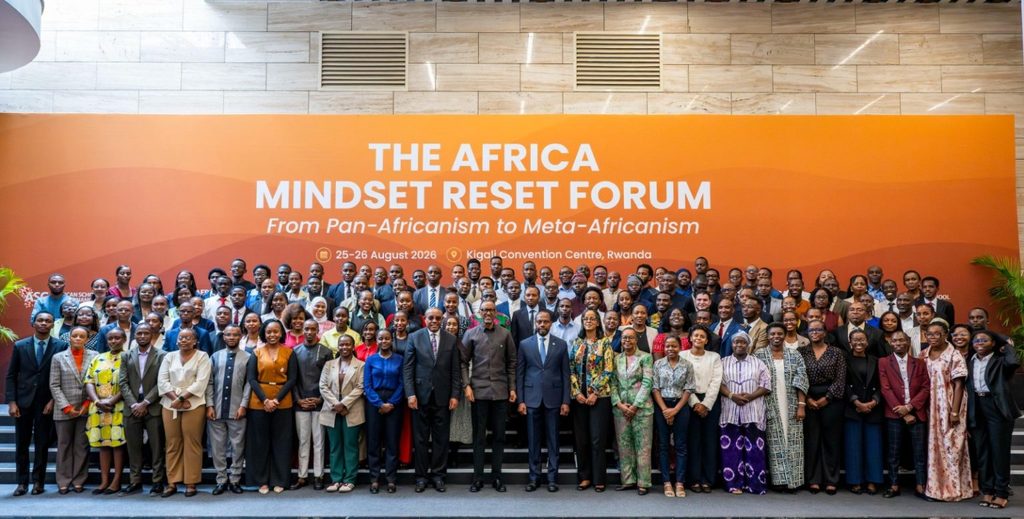
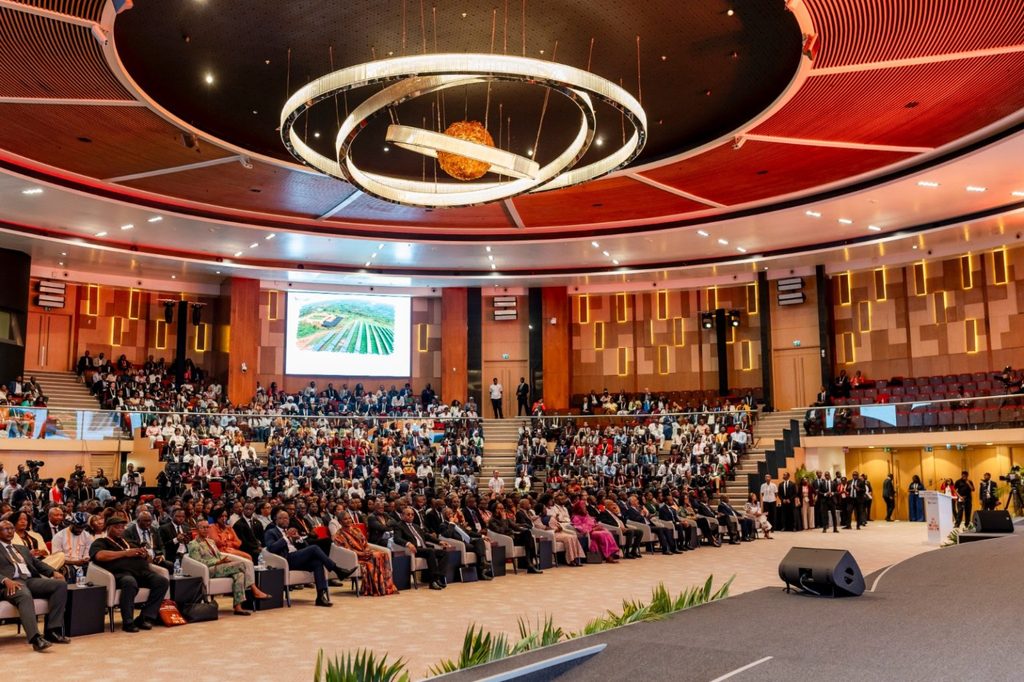
Francis Gatare, director of the African School of Governance (ASG), made the remarks at a governance conference in Kigali attended by more than 2,500 people, including leaders, experts and representatives from different sectors.
Gatare said Africa’s main challenge is not a lack of talent, capacity or ideas, but the need for stronger leadership and a mindset capable of turning those assets into results.
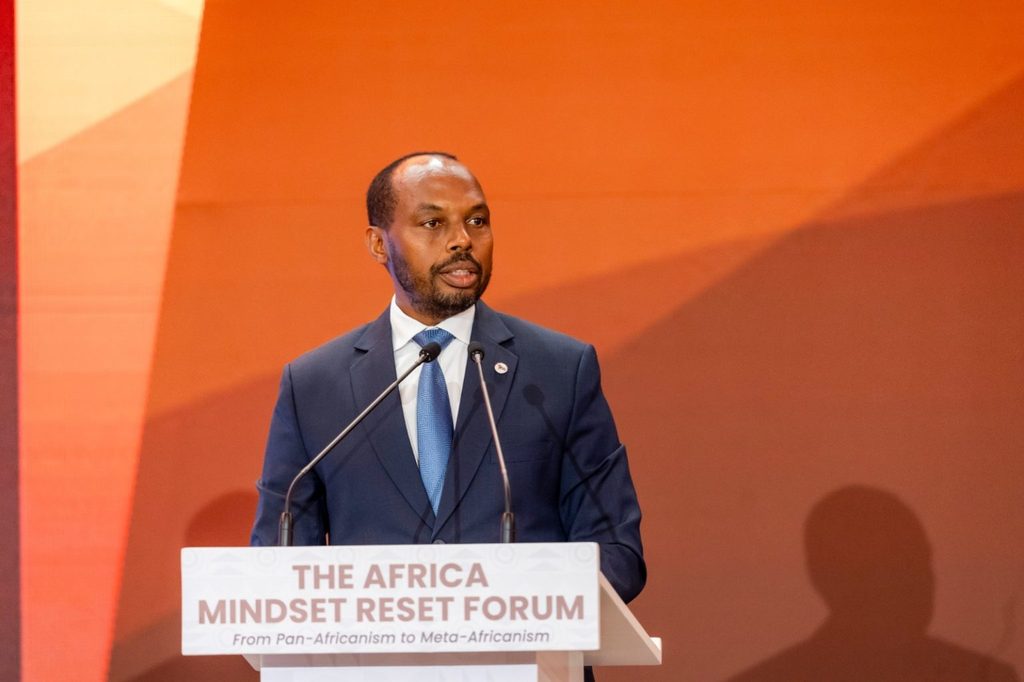
“Because mindset is a choice, we must develop a mindset based on what we have committed ourselves to doing,” Gatare said.
He said some attitudes continue to hold back development, including a tendency to wait for assistance and a belief that one person’s gain comes at another’s expense.
Such thinking can discourage cooperation and prevent people from taking advantage of opportunities that could benefit many, he said.
Gatare also challenged what he described as a victim mentality, saying Africa’s history of injustice should not prevent its people from taking responsibility for shaping the continent’s future.
“Africa has suffered a great deal of injustice, which has caused some people to lose hope and accept what happens as though they have no power to change it,” he said.
Gatare said the continent now needs a new approach to cooperation, which he called Meta-Africanism.
He said Pan-Africanism played an important role in uniting Africans during the struggles against colonialism and apartheid. But the challenges facing Africa have changed, while global competition has intensified.
“No single African country has the strength or capacity to compete with the world today on its own,” he said.
Meta-Africanism, he said, would encourage African countries to pool their strengths, cooperate more closely and focus on building shared opportunities.
ASG plans to develop research and teaching around the concept, examining how leadership, institutions, culture and beliefs can influence development outcomes.
Gatare said the school will work with universities, governments and other institutions across Africa to strengthen knowledge and promote results-oriented governance.
He urged conference participants to see themselves as responsible for shaping Africa’s future.
“Africa’s future will be determined by the choices each of us makes individually,” he said.