
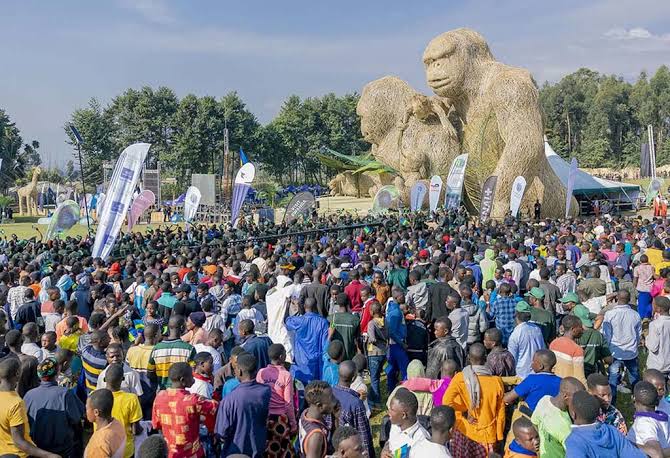
Rwanda expects about 10,000 visitors to attend this year’s Kwita Izina gorilla naming ceremony, highlighting the growing role of conservation tourism in supporting local businesses and promoting the country internationally.
The 21st edition of the annual ceremony will take place Sept. 4 in Kinigi, Musanze District, where 22 baby mountain gorillas will be given names.
Officials said Tuesday that the event has grown beyond a celebration of gorilla births into an international platform for conservation, tourism and economic development.
Eugène Mutangana, executive director of the Rwanda Nature Foundation, said the growing gorilla population is the result of sustained efforts to protect their habitat, monitor their health and provide conditions that allow them to reproduce.
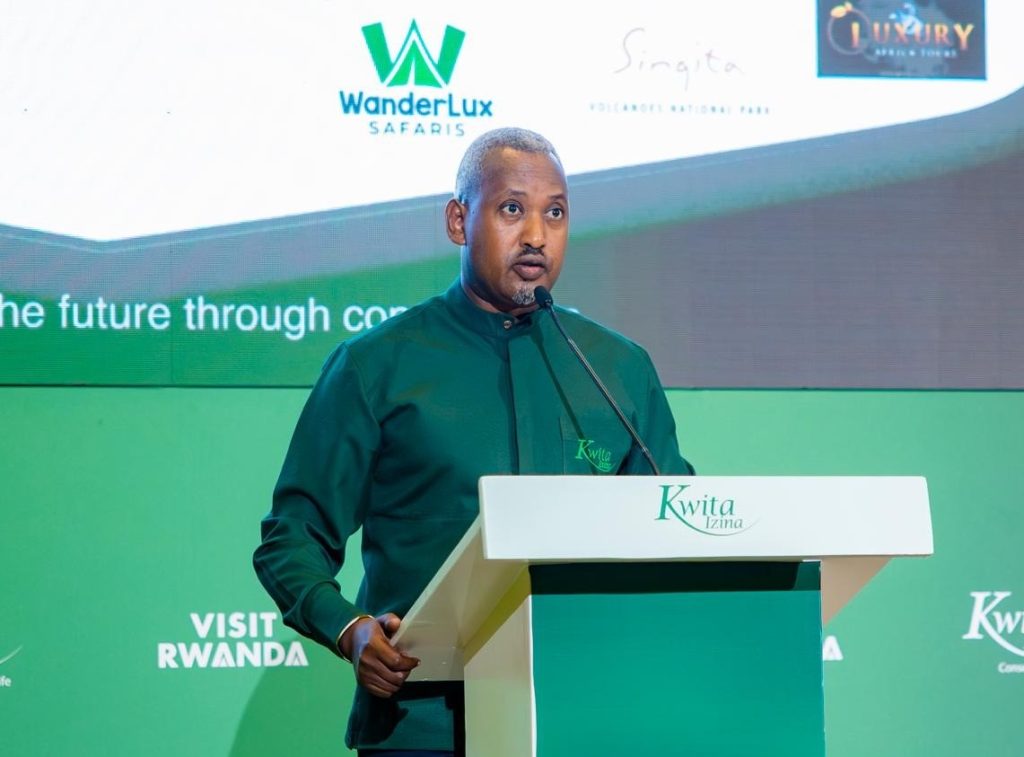
“Gorilla births are the result of daily conservation work,” Mutangana said.
He said the careful selection of people invited to name the gorillas is also part of the ceremony’s international outreach, with organizers choosing individuals they believe can help enhance Rwanda’s image and visibility abroad.
Since Kwita Izina was launched in 2005, 438 gorillas have been named. The 22 to be named this year will bring the total to 460. The ceremony has attracted political leaders, researchers, investors, athletes, artists and other prominent figures involved in conservation and tourism.
For Musanze, the event is also expected to generate business. Northern Province Gov. Maurice Mugabowagahunde said visitors support hotels, restaurants, transport operators, tourism companies, farmers, artisans and other businesses.
Musanze has more than 52 star-rated hotels and is expected to receive thousands of visitors during the ceremony.
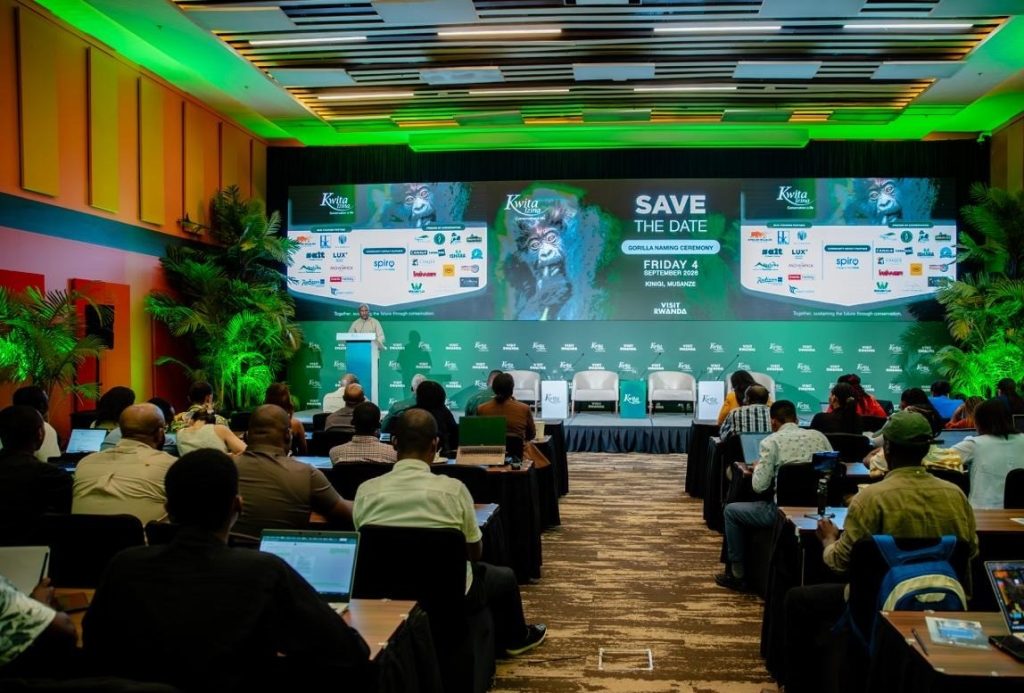
Gorillas support Rwanda’s tourism economy
Rwanda earned $685 million from tourism in 2025, up from $647 million in 2024, as about 1.49 million visitors travelled to the country.
National parks received 155,394 visitors and generated nearly $40.8 million. Volcanoes National Park generated nearly $35.8 million, making it the largest source of park tourism revenue.
Domestic tourism also continued to grow, with the number of Rwandans visiting national parks increasing 8.1% to more than 59,000.
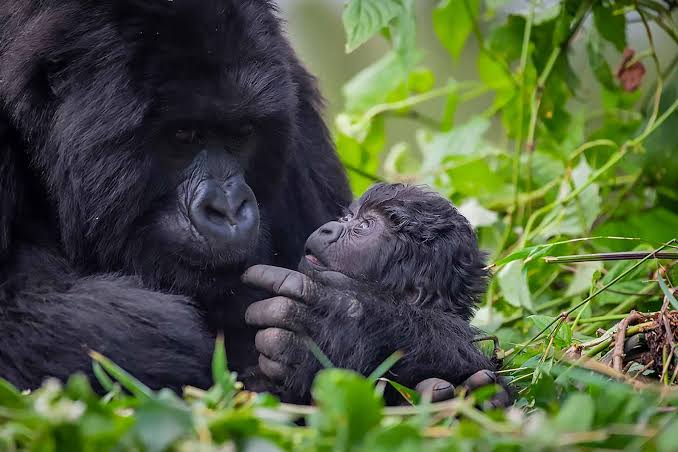
About 1,100 mountain gorillas remain in the wild. Their conservation is therefore important not only for protecting the endangered species but also for sustaining tourism-related economic opportunities for communities around their habitat.