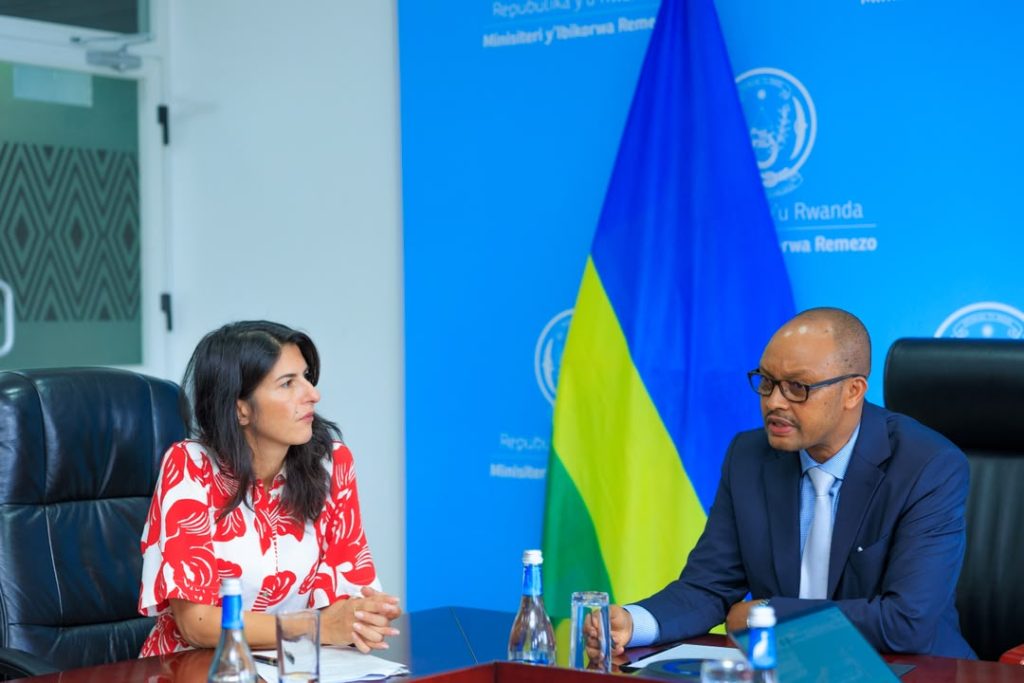

Rwanda is seeking more investment in environmentally friendly cooling technologies, including equipment manufacturing, repair services and cold-chain infrastructure, as it looks to turn rising global demand for cooling into an opportunity for industrial growth and job creation.
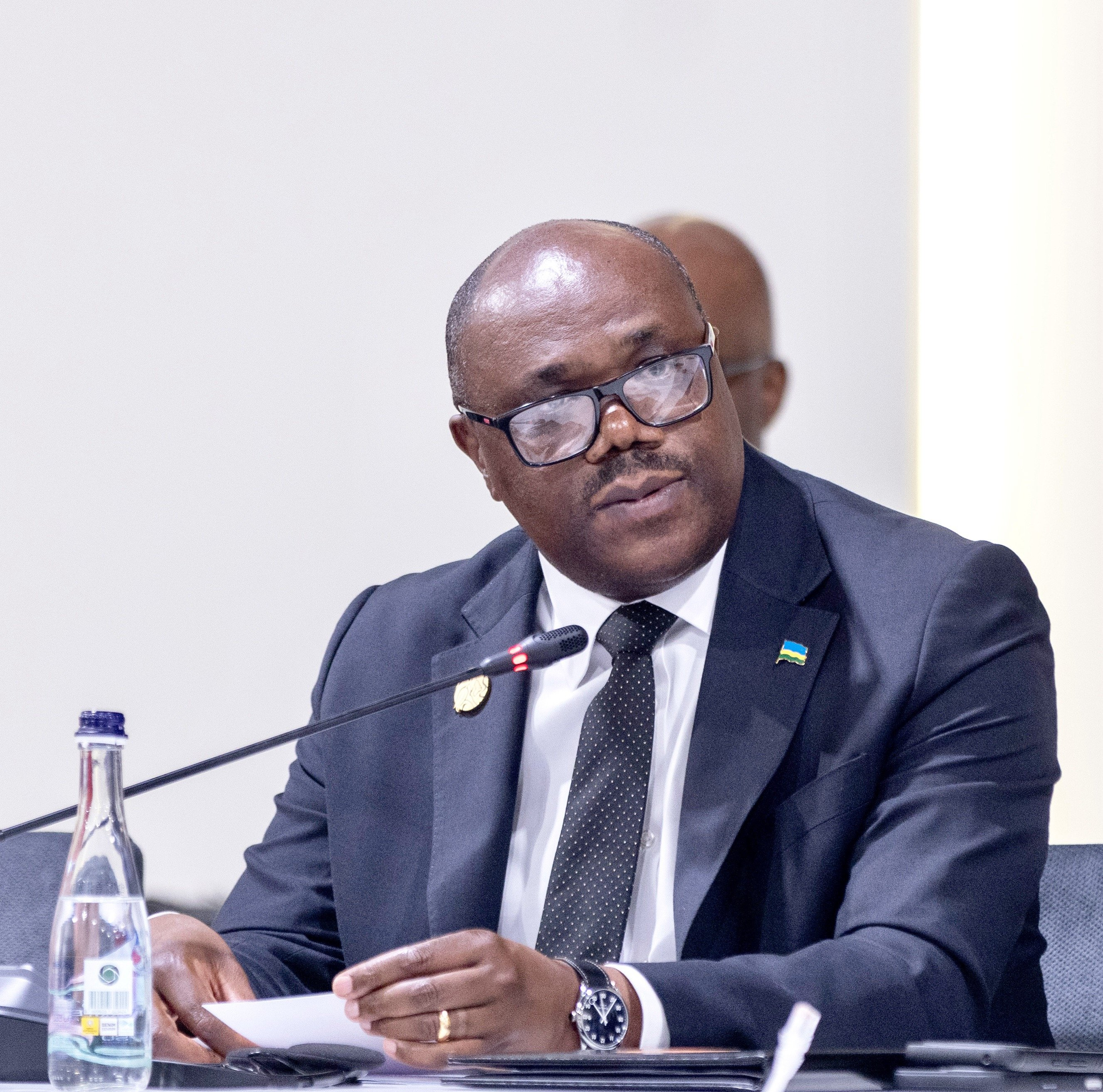
Prime Minister Dr Justin Nsengiyumva highlighted the sector’s potential during a discussion in Antalya, Türkiye, on November 11, 2026, focused on investment, employment and economic growth through green industrialisation.
He said implementing the Kigali Amendment to the Montreal Protocol could help prevent up to 0.5 degrees Celsius of global warming by 2100, while opening up opportunities for businesses involved in producing and repairing cooling equipment, as well as storing and transporting goods that require controlled temperatures.
Rwanda has introduced a National Cooling Strategy, minimum energy performance standards and financing mechanisms aimed at making the sector more attractive to investors.
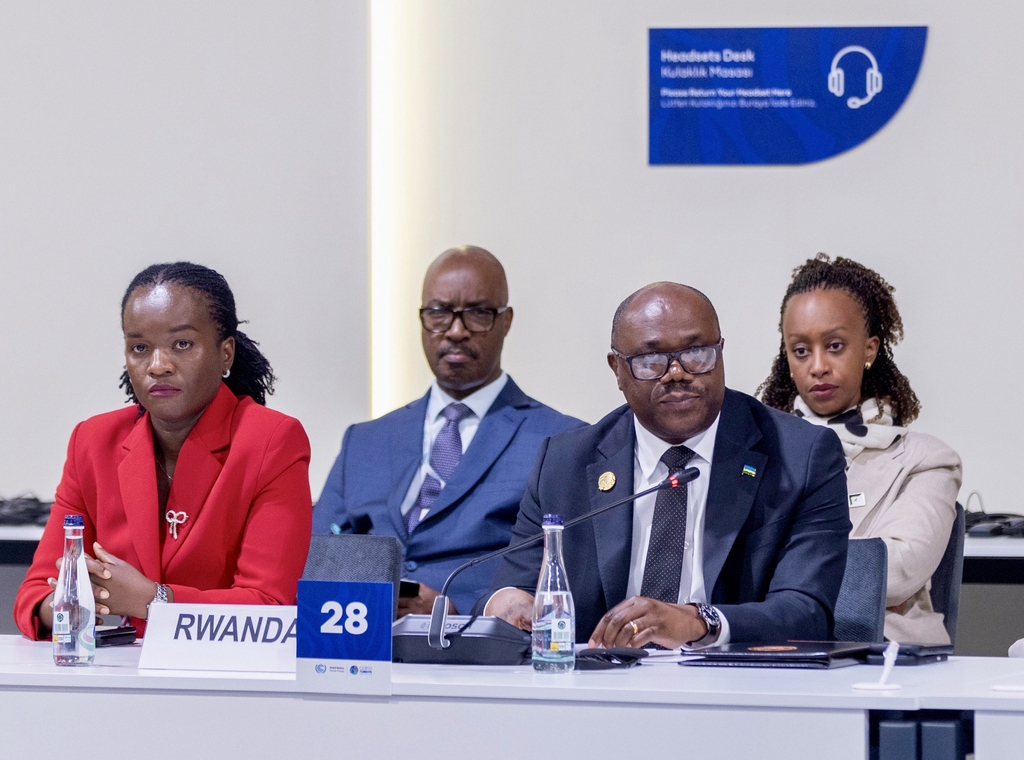
Nsengiyumva urged development partners and financial institutions to help lower the risks associated with such investments through concessional loans, guarantees, blended finance and carbon-related funding.
The cooling agenda forms part of Rwanda’s wider effort to expand industries that use resources efficiently and reduce emissions.
The Prime Minister said initiatives promoting resource-efficient production had helped Rwandan industries and small and medium-sized enterprises save an estimated $6.5 million. They had also reduced energy consumption by more than 41 million megajoules and cut carbon dioxide emissions by over 30,000 tonnes annually.
He said the results showed that greener industrial production could deliver economic gains alongside environmental benefits.
Rwanda is also seeking investment in renewable energy, clean cooking, electric vehicles, sustainable agriculture and recycling as part of its plans to expand green industries.
Nsengiyumva called for stronger cooperation between governments, businesses and financial institutions, saying climate commitments needed to translate into practical projects with measurable benefits for the economy, communities and the environment.