
President Paul Kagame on Wednesday urged young Rwandans to make responsible choices and avoid harmful habits, while the Minister of ICT and Innovation, Paula Ingabire, warned that their behaviour on social media could affect their future employment opportunities.
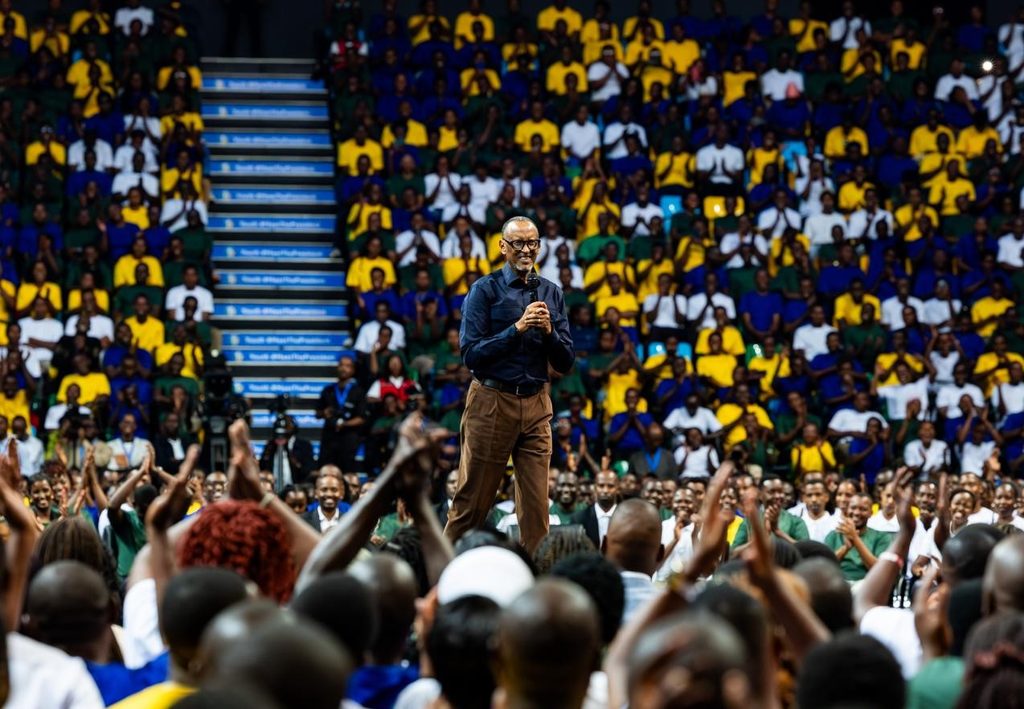
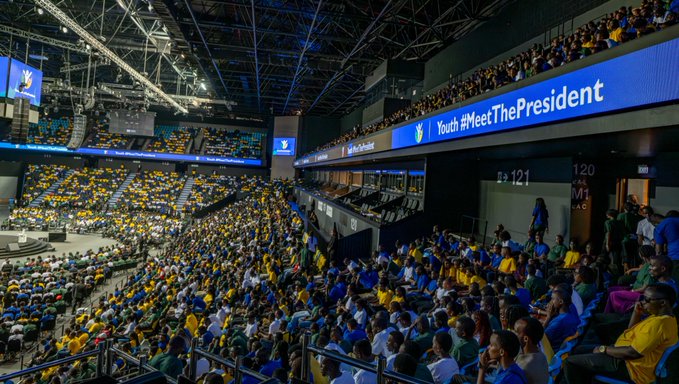
The messages were delivered during the Meet the President dialogue at BK Arena in Kigali, which brought together more than 10,000 young people from across the country.
Kagame urged young people to develop discipline, think independently and take responsibility for their decisions. Ingabire encouraged them to acquire skills for a changing labour market and consider how their online activities could influence prospective employers.
“Study, work and seek to understand what is right. Do what is right and avoid what is wrong. That requires discipline and self-control,” Kagame told the gathering.
He said young people should not simply follow what others do but should make choices based on their own goals and understanding of what is right.
The president also urged those who had made mistakes or developed harmful habits not to lose hope, saying it was possible to change direction and build a better future.
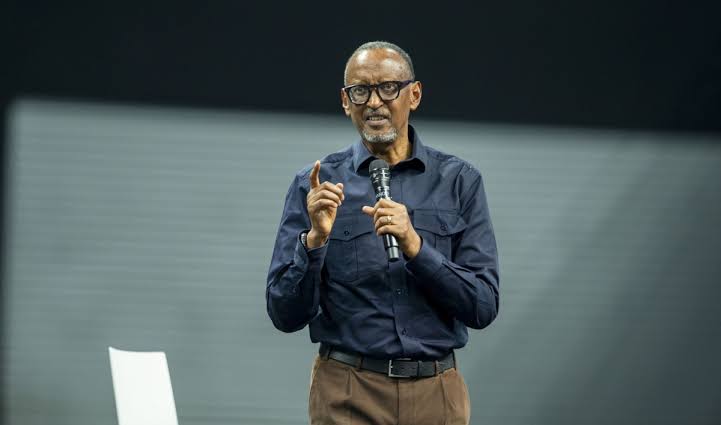
“If you realise that you have lost some years, once you wake up to that reality, understand that there is still time to change and live a better life,” he said.
Kagame added that discipline could not be imposed on someone without their willingness to change. While people could learn good habits from others, he said, they ultimately had to make their own decisions.
On alcohol and drug abuse, he said awareness campaigns could help young people understand the consequences of harmful behaviour, but lasting change required personal commitment.
“Even if we show you the harm and the consequences, including what has happened to people who have suffered because of it, that can help you change if it aligns with how you think,” he said.
“But if you do not make that decision yourself, even if someone takes you to prison or beats you, you could keep being beaten or keep going to prison.”
Social media and future jobs
Ingabire said technological advances were creating new types of jobs, making it important for young people to prepare by developing relevant skills.
“How are we preparing ourselves so that we can take up those jobs?” she asked.
Citing figures from the National Institute of Statistics of Rwanda (NISR), she said one in four young people aged between 16 and 30 was unemployed. She encouraged them to pursue training to improve their chances of finding work.
The minister also warned that employers could look beyond applicants’ curriculum vitae (CV) when assessing candidates, including by examining their social media activity.
“The jobs we are talking about may be available next year, in three years or in 10 years. When an employer looks for someone to hire, they will also look at how you behave on social media. That is the information you are building about yourself,” she said.
She said a CV remained important, but an applicant’s online presence could provide employers with additional information about their interests and behaviour.
“Your CV is good to have, but an employer may also want to ask: ‘This person I see on social media, what are they involved in?’” she said.
Ingabire urged young people to verify information before accepting or sharing it and to think carefully about the consequences of their online actions.
Her warning highlighted the importance of maintaining a responsible online presence as social media becomes another way for prospective employers to learn about job applicants.
The dialogue brought together young people from different parts of Rwanda to discuss issues affecting their future, including personal responsibility, employment and the opportunities and challenges arising from technological change.