
Rwandan lawmakers have called for urgent measures to address water shortages, improve project planning and reduce losses of treated water as the country works to achieve universal access to clean water by 2030.
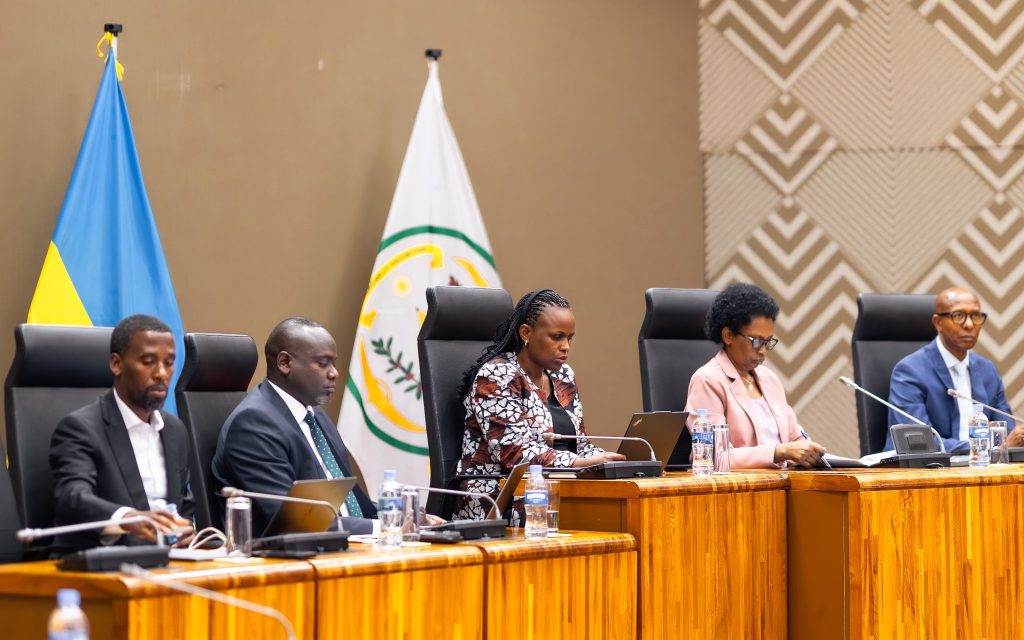
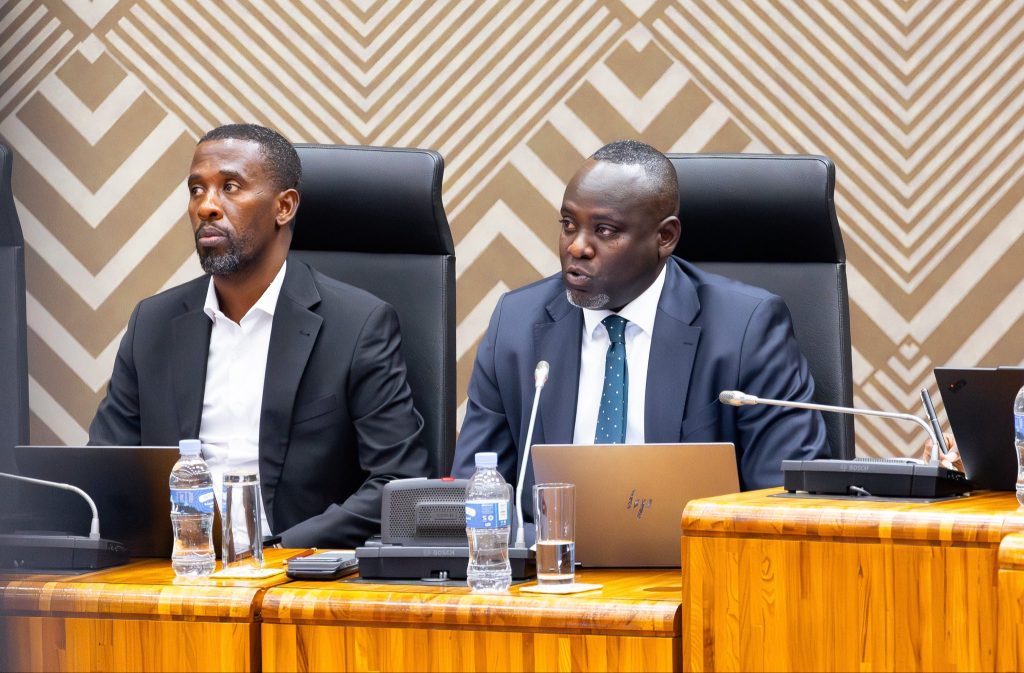
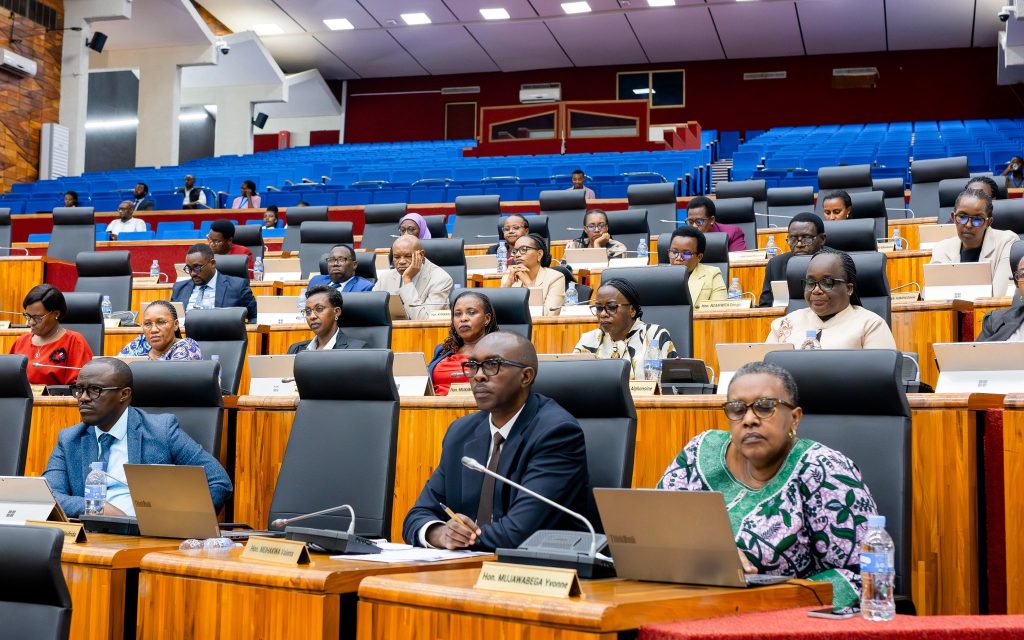
The concerns were raised on Tuesday during a session of the Chamber of Deputies, where State Minister for Infrastructure Zingiro Armand responded to questions about problems identified at the Water and Sanitation Corporation (WASAC Group).
Lawmakers urged the government to extend water services to communities that remain unserved and ensure that households already connected to the network continue to receive reliable supplies, particularly during the dry season.
They also called for better feasibility studies and project implementation to ensure that investments respond to local needs and deliver their expected results.
In his response, Zingiro said Rwanda was pursuing projects to increase water treatment capacity and expand distribution networks.
The initiatives include expanding the Nzove, Kanzenze and Karenge treatment plants and completing the Nyabarongo II plant, which is still under construction.
The government also plans to rehabilitate and upgrade existing treatment plants, replace or expand ageing pipelines and mobilise funding to speed up projects aimed at reaching more households.
Zingiro said effective delivery would require stronger project management, improved staff capacity and closer monitoring of procurement and implementation. The government also plans to address issues identified by the Office of the Auditor General.
The concerns come as Rwanda seeks to close the remaining gap in household access to clean water. Data from the National Institute of Statistics of Rwanda’s seventh Integrated Household Living Conditions Survey (EICV7) show that 89.7% of households have access to clean water.
The government set the goal of universal clean water access in 2010 and reaffirmed it under the second National Strategy for Transformation (NST2), which targets full coverage by 2030.
Meeting that target will require not only increasing the volume of water treated, but also improving distribution, reducing losses and ensuring that projects are properly planned and managed.
The lawmakers’ recommendations highlight the need to address both the expansion of infrastructure and the challenges affecting the reliability of water services.