

Young people aged 18 to 30 accounted for 40% of those prosecuted in Rwanda during the 2025-26 judicial year, down from 51% the previous year, the Office of the Prosecutor General said Friday.
The figure represents 32,231 young people and marks an 11-percentage-point decline in their share of people prosecuted, according to Prosecutor General Habyarimana Angélique.
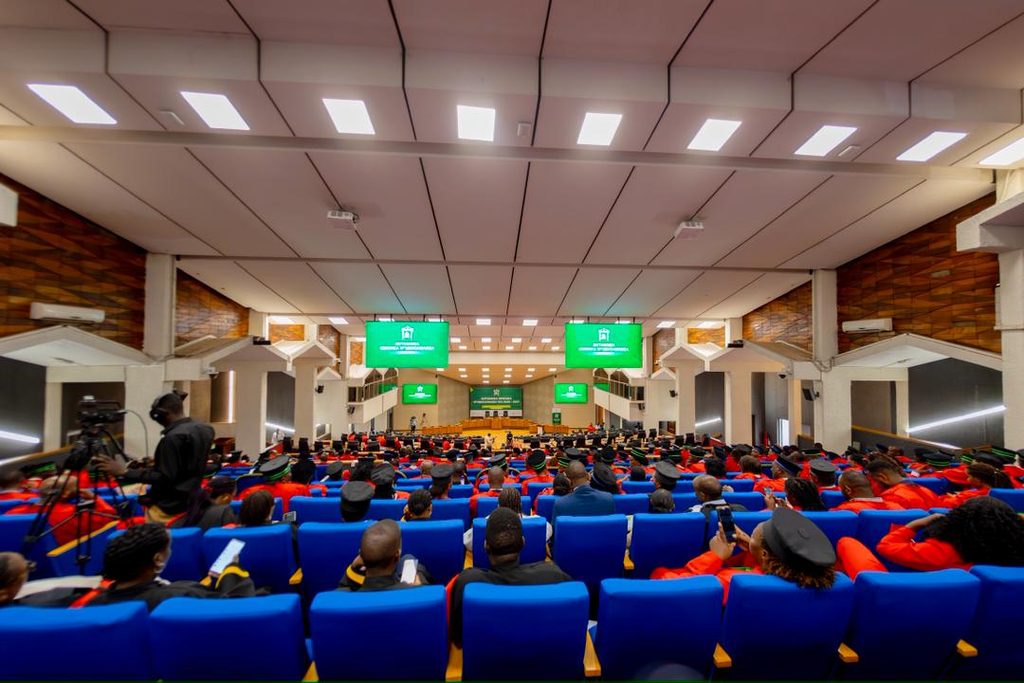
She disclosed the figures as Rwanda opened the 2026-27 judicial year at a ceremony attended by senior government officials and other stakeholders at the Parliament buildings in Kigali.
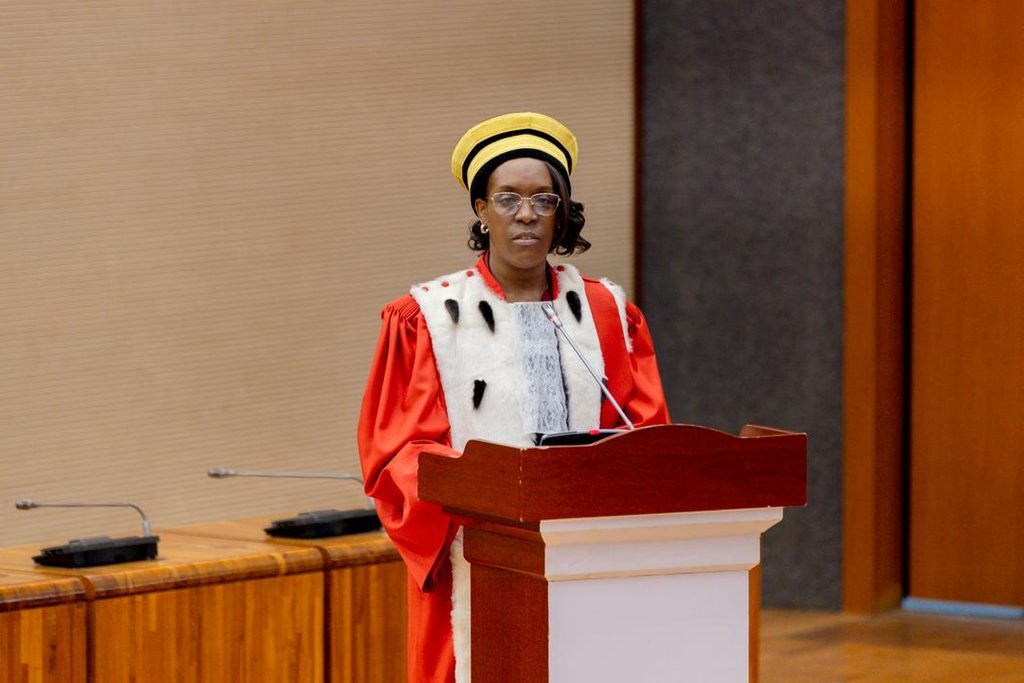
“Looking at the proportion of people prosecuted by the Office of the Prosecutor General, 40%, equivalent to 32,231 people, were aged between 18 and 30, compared with 51% in the previous year,” Habyarimana said.
She said the prosecution service would continue strengthening measures aimed at keeping young people away from crime, noting their importance to the country’s future.
Among the measures cited was a campaign against substandard alcoholic beverages. Habyarimana said the campaign had been accompanied by a reduction in crimes committed by people who consume such drinks.
The prosecution service’s analysis of cases handled during the year showed that theft and assault causing bodily harm were the most common offences. Together, they accounted for 49% of all case files received.
Drug-related offences also featured prominently among the cases prosecuted. The prosecution service said drug use is linked to other forms of crime and reported a 98% success rate in such cases.
Overall, the Office of the Prosecutor General received 71,276 case files during the 2025-26 judicial year and made decisions on 68,232, representing 95.7% of the total.
Of the cases handled, 4,793 were referred to the courts, while 27,439 were closed on various grounds, including payment of fines, reconciliation between complainants and accused persons and other reasons permitted under the law.
The prosecution service said it would continue promoting alternative mechanisms for resolving disputes without going through the courts.
It said such mechanisms can help provide faster and more effective justice while putting citizens at the center of the justice process.