
Rwanda is presenting its heritage Mibirizi Arabica coffee to Japanese buyers ahead of an international auction scheduled for October 21, as the country seeks to create new commercial opportunities for its coffee producers.
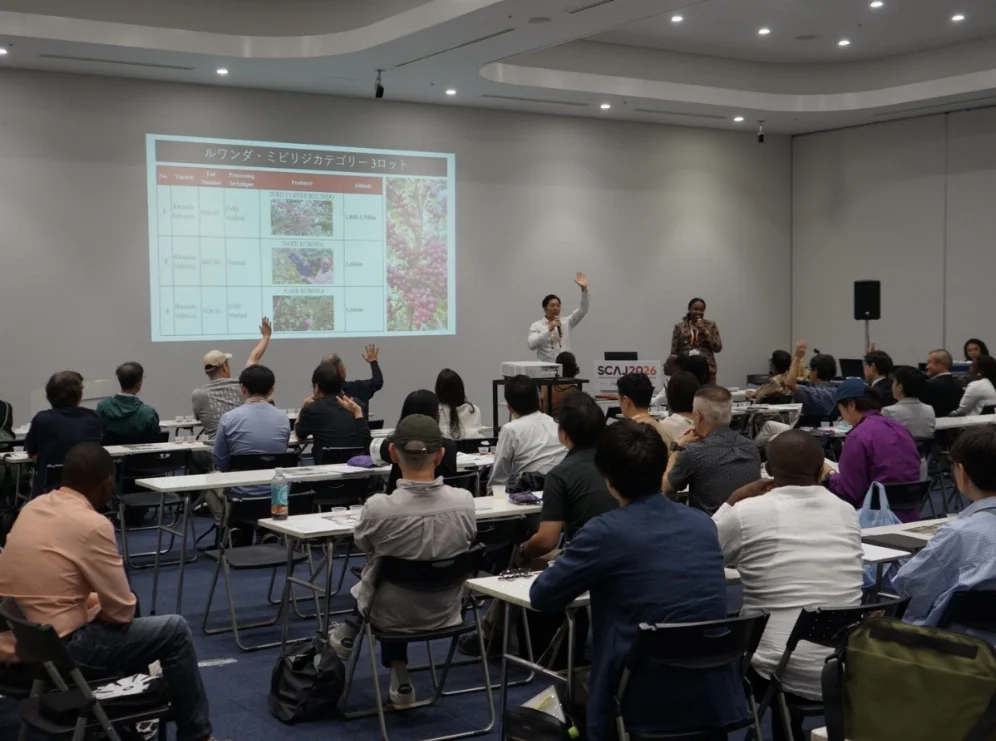
The coffee was showcased on Friday, October 16, at the Specialty Coffee Association of Japan (SCAJ) exhibition in Tokyo, where industry professionals sampled it and assessed its flavour and aroma.
The event was organised by the National Agricultural Export Development Board (NAEB), which has been working to restore the variety and promote it in specialty coffee markets.
Mibirizi was introduced to Rwanda in 1904 but later declined in cultivation as other varieties gained ground. Efforts to revive it have involved research, preservation of planting material, cooperation with farmers and work to improve coffee quality, according to NAEB.
The October 21 auction is expected to offer Mibirizi as a distinct variety for international buyers. It will take place alongside the auction of coffees selected through the 2026 Best of Rwanda competition.
Rwanda’s Ambassador to Japan, Marie Claire Mukasine, said the revival of Mibirizi linked the country’s coffee-growing heritage with opportunities in higher-value markets.
“Reviving Mibirizi coffee is a source of pride for Rwanda. It connects our heritage in coffee farming with new opportunities in high-end coffee markets,” she said.
The Tokyo programme also included a seminar on October 14 featuring coffees recognised in the 2026 Best of Rwanda competition. Participants tasted selected coffees and discussed sourcing and potential business partnerships.
Best of Rwanda was launched in 2024 by NAEB in partnership with the Coffee Exporters and Processors Association in Rwanda (CEPAR). The programme combines a national quality competition with auctions to promote Rwandan coffee and connect selected producers with international buyers.
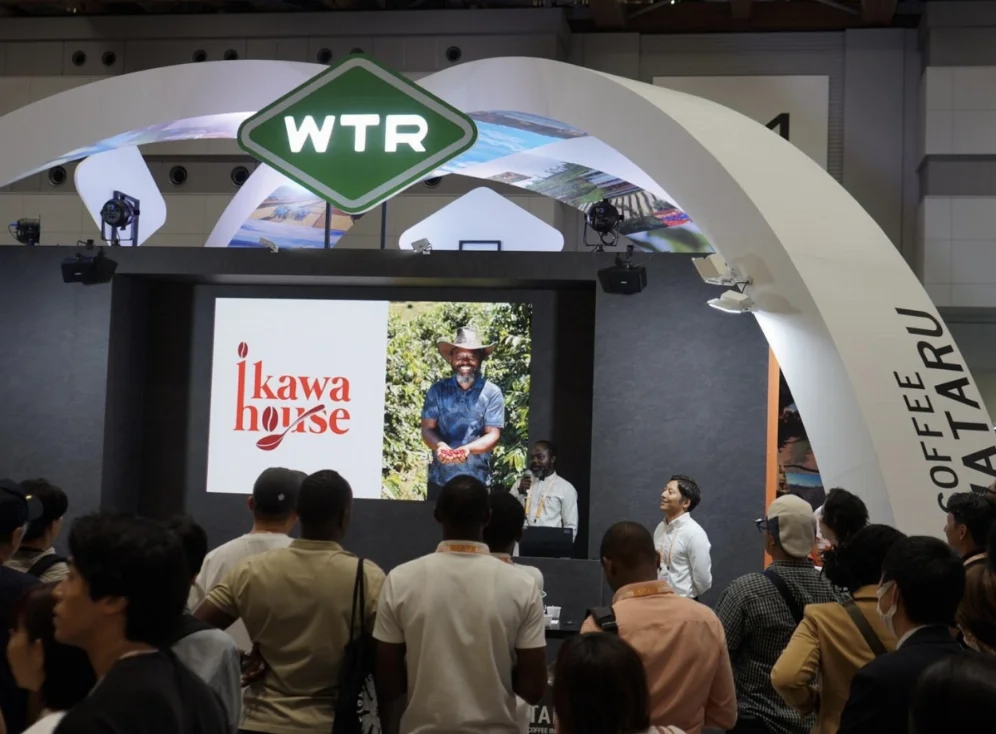
The Rwandan delegation at SCAJ was led by Sandrine Urujeni, NAEB’s chief operating officer, and included 20 coffee farmers, cooperative leaders and other industry representatives.