

Better data could help insurers develop products for more people in Rwanda and across Africa, where millions remain outside insurance markets and many risks are difficult to assess, according to a new report by the African Insurance Organisation (AIO).
The report, Africa Insurance Pulse 2026, argues that Africa’s insurance protection gap is not only a question of capital but also of information. Insurers need reliable data to calculate risks, set premiums and design products that meet the needs of households, farmers and businesses.
Rwanda’s experience illustrates both the opportunity and the remaining gap. The 2024 FinScope survey found that the number of adults using personal insurance products had risen to about 2.1 million, or 27% of adults, from 1.2 million, or 17%, in 2020.
The increase was driven largely by greater use of medical insurance and microinsurance, alongside growth in life and general insurance. Even so, most adults were not using personal insurance products at the time of the survey.
The AIO report, prepared by Faber Consulting and released on June 8, says the quality of information available to insurers can determine whether they are able to assess risks accurately and expand their services. It identifies weak structured data, a shortage of specialised skills and regulatory uncertainty as barriers to wider use of artificial intelligence in the industry.
“Artificial intelligence makes this work more valuable. AI is only as good as the data it is based on,” Jean Baptiste Ntukamazina, the AIO’s secretary general, said in comments on the African Insurance Data Repository, an initiative co-sponsored by the organisation.
“The African Insurance Data Repository will supply the curated, verified inputs that make analysis meaningful for Africa’s insurance sector,” he said, adding that it could help insurers use AI and other tools to produce results that decision-makers can trust.
The repository is intended to improve access to consistent insurance information across African markets. Better data could support product development and risk assessment, particularly where conventional records are limited.
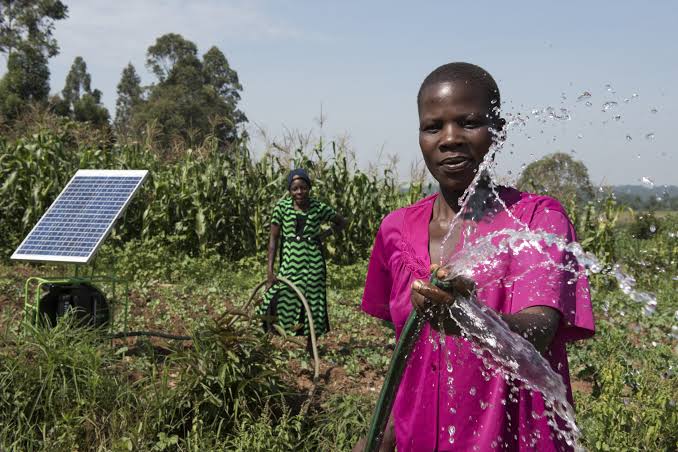
The report also points to emerging technologies that insurers are using to assess risks. These include satellite imagery, mobile-money transaction patterns and telematics, which can help insurers understand agricultural, financial and transport-related risks. Parametric insurance products in countries including Kenya, Ethiopia and Nigeria use predefined indicators to trigger payouts when agreed conditions are met.
In Rwanda, the government has also been assessing a possible climate-insurance arrangement for miners and quarry workers. The proposed model would use rainfall thresholds to trigger payments, with indicative payouts of Rwf15,000 to Rwf25,000 per event. The scheme has been under consideration, rather than established as a nationwide insurance programme.
The AIO report says technology alone will not resolve the industry’s data problems. Insurers also need information that is accurate, representative and suitable for the risks they are trying to measure. Without that foundation, automated systems may struggle to produce dependable assessments.
In Rwanda, the FinScope figures show that the number of adults using personal insurance products increased substantially between 2020 and 2024. But millions of adults were still outside that market, leaving room for insurers to develop products that reach more people.