
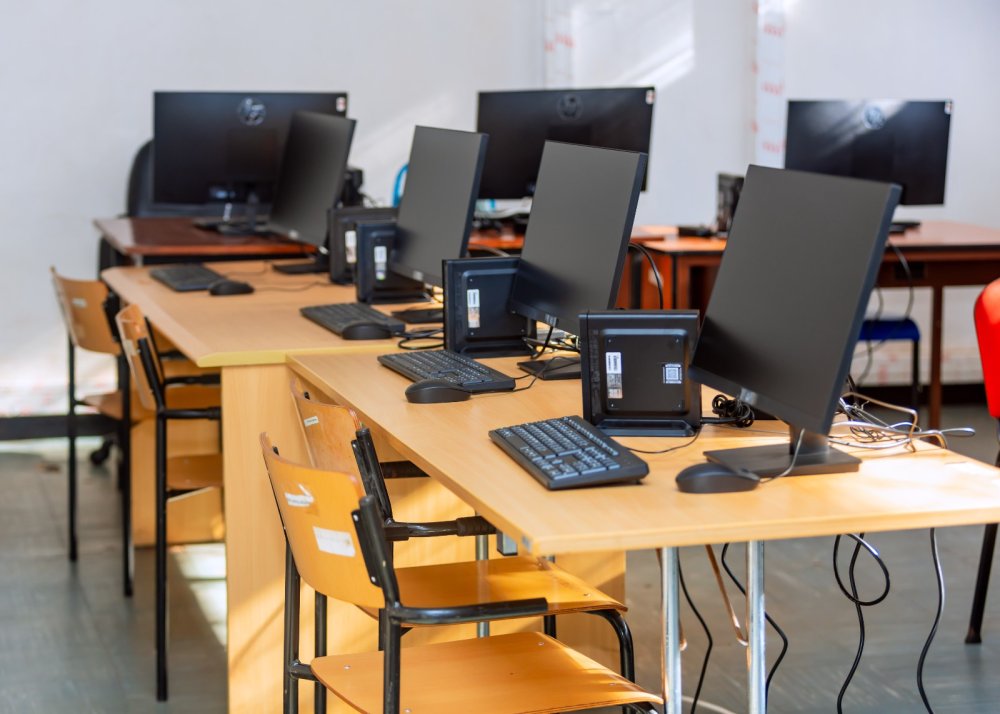
The University of Rwanda has received a Rwf30 million laboratory equipped with computers designed to support artificial intelligence research and practical projects by students.
The laboratory, located at the university’s College of Science and Technology (UR-CST) in Kigali, was established through the TELLS project, which supports higher education, research and technology-based learning.
It has 10 computers, including eight with one-terabyte hard drives and two larger machines with two-terabyte storage capacity. The two also have graphics processing units (GPUs), which provide the computing power needed for AI-related work.
Mathias Nduwingoma, who heads TELLS at the University of Rwanda, said the facility would give students access to equipment needed to develop and test AI projects.
“AI applications require a lot of space and computing capacity because they perform many tasks at the same time,” Nduwingoma said.
He said the laboratory would be used by PhD students and engineering students, particularly those studying AI, from the new academic year.
The facility is expected to give students more opportunity to gain practical experience with AI and develop projects that could be applied beyond the university.
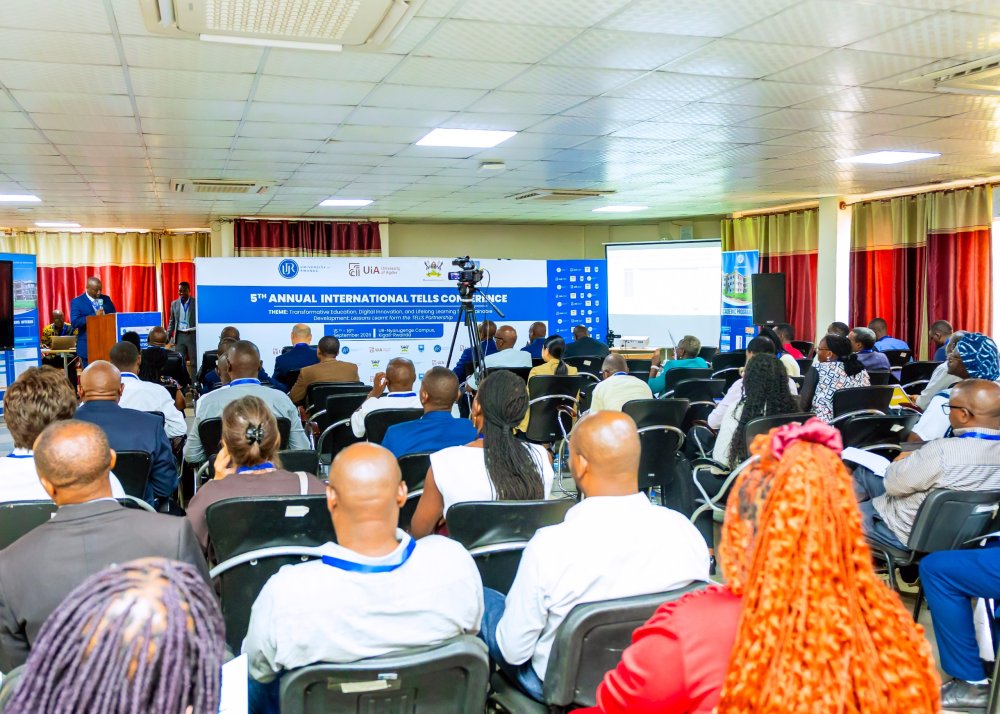
TELLS is a partnership between the University of Rwanda, Makerere University in Uganda, Jimma University in Ethiopia and the University of Agder in Norway. It has been running from 2021 to 2026 with a budget of about Rwf797 million and is due to end in December.
At UR, the project has also supported 10 students with scholarships, including two PhD students and eight postgraduate students in educational technology.
It helped establish a postgraduate programme in educational technology, which now has 41 students, and supported curriculum revisions in computer science education. The project also plans to train 60 secondary-school teachers in the use of technology in education.
Prof. Florien Nsanganwimana, director-general of UR’s College of Education, said the project had helped the college strengthen its capacity to respond to technological changes, including the growing use of AI in education.
“As a university, particularly in education, this project has helped us build capacity and confidence that there are things we can do together with others,” he said.