
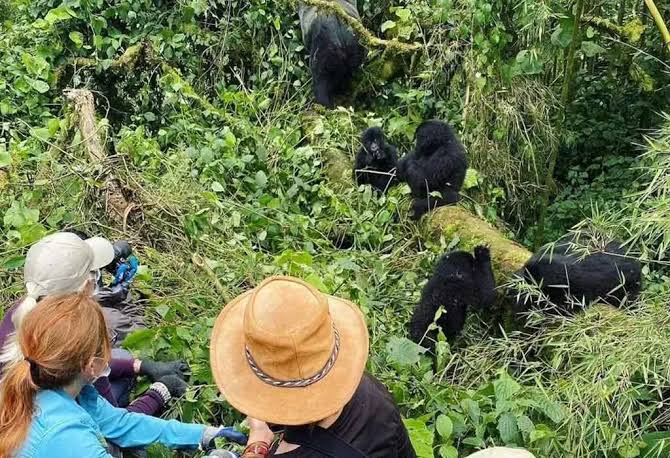
Rwanda’s mountain gorillas have become a major driver of tourism and economic activity in the country’s north, creating jobs and business opportunities while generating revenue that is shared with communities living around protected areas.
The economic value of the gorillas has grown alongside their recovery from near extinction. More than 1,000 mountain gorillas are now estimated to live in the wild across the Virunga Massif and the Bwindi ecosystem, compared with about 250 in the Virunga Massif in the early 1980s.
Prime Minister Justin Nsengiyumva said Friday that conservation and tourism had brought wider economic benefits to communities around Volcanoes National Park.
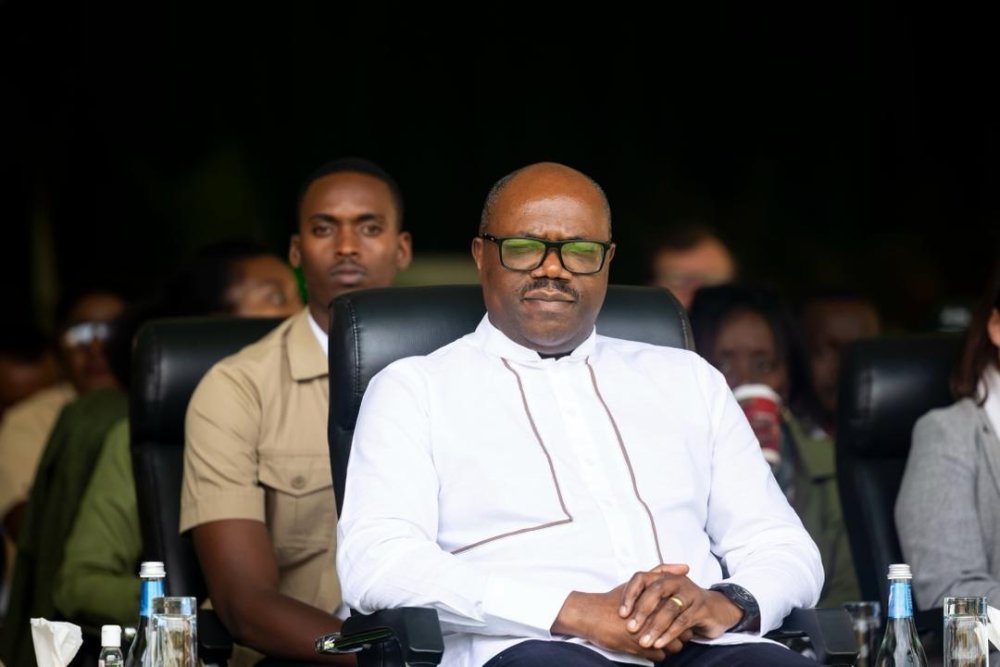
“The mountain gorillas and the tourism they have attracted have helped strengthen the socioeconomic fabric of surrounding communities, creating jobs, supporting local businesses, attracting investments, and opening new pathways for families and young people to improve their livelihoods,” he said at the 21st Kwita Izina gorilla naming ceremony in Kinigi.
Rwanda channels 10% of national park revenues to surrounding communities through its Tourism Revenue Sharing Programme.
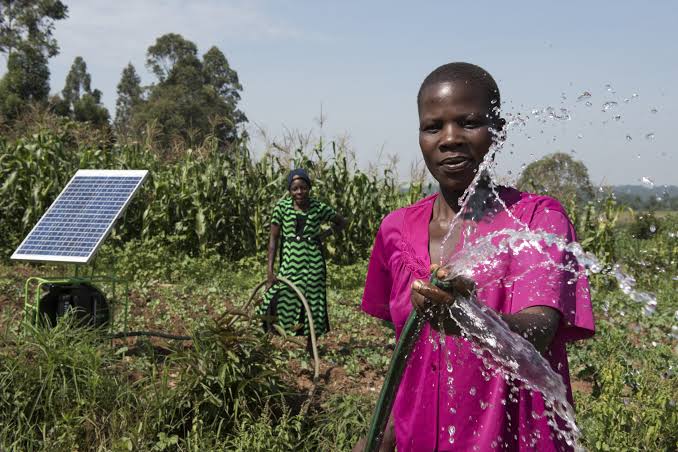
More than Rwf23 billion has supported nearly 1,300 projects, including schools, health centres, water infrastructure and livelihood programmes, according to government officials.
Jean Guy Afrika, CEO of the Rwanda Development Board, said the same principle underpins the Volcanoes National Park expansion.
“The expansion will provide more habitats for growing mountain gorilla families,” Afrika said. “At the same time, it will support neighboring communities through better housing, infrastructure, services, and new economic opportunities.”
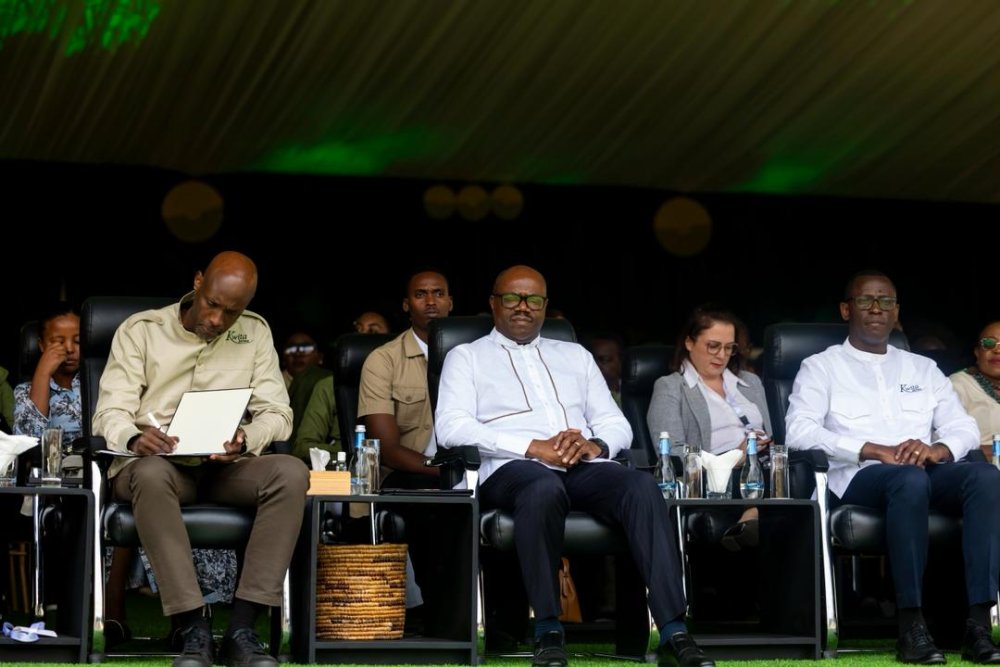
Maurice Mugabowagahunde, governor of Northern Province, said 740 projects had received Rwf8.6 billion in communities bordering Volcanoes National Park in Musanze, Nyabihu, Burera and Rubavu districts.
Nationwide, more than Rwf23 billion has supported nearly 1,300 community projects, including schools, health centres, water infrastructure and livelihood programmes.
An additional Rwf2 billion will be provided this year for projects aimed at improving livelihoods, Mugabowagahunde said.
Nsengiyumva said the economic benefits from gorilla tourism had helped strengthen communities around the park by creating jobs, supporting local businesses and attracting investment.
The government says the park expansion is intended to provide more habitat for the gorillas while ensuring that communities living around Volcanoes National Park benefit from conservation and tourism.
Maurice Mugabowagahunde, governor of Northern Province, said 740 projects in communities bordering Volcanoes National Park had received Rwf8.6 billion through the programme. The projects cover communities in Musanze, Nyabihu, Burera and Rubavu districts.
An additional Rwf2 billion will be provided this year for projects aimed at improving livelihoods, Mugabowagahunde said.
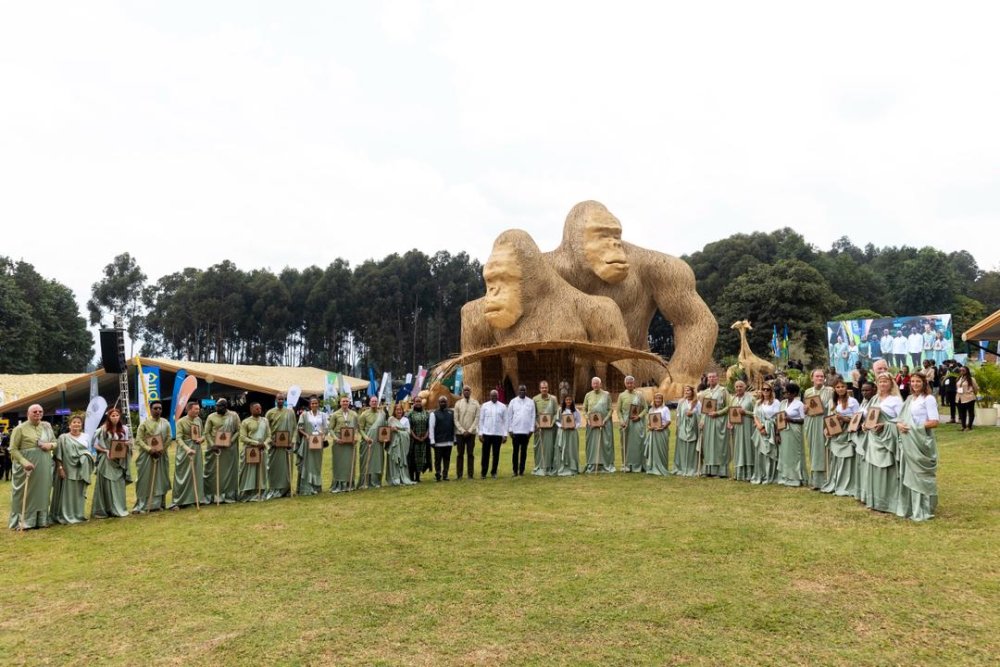
The tourism industry has also created a market for hotels, restaurants, tour operators, transport providers and other businesses in and around Musanze, where visitors come for gorilla trekking and other activities.
Rwanda is now preparing to expand Volcanoes National Park by about 3,740 hectares to provide additional habitat for the growing gorilla population.
The expansion will also affect some communities, and the government has begun measures to support households living in areas affected by the project.
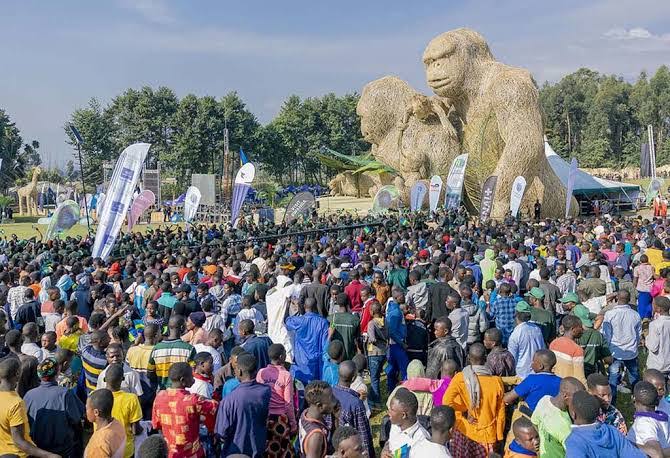
Last week, authorities launched construction of the Smart Green Village in Kinigi, a project worth more than $49 million that will support 547 households affected by the park expansion.
The project is expected to provide modern housing, essential services and livelihood opportunities.
The government says the expansion will provide more space for the gorillas while ensuring that communities living around the park continue to benefit from conservation and tourism.