

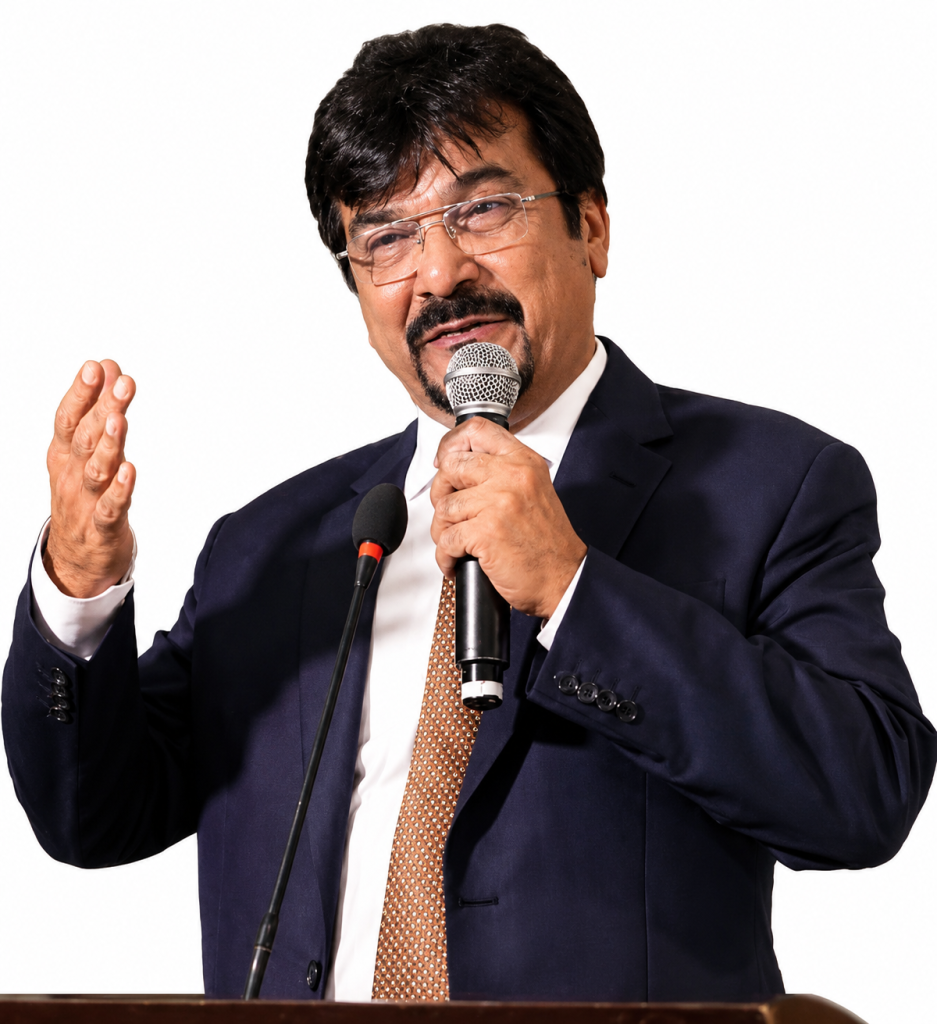
From a leisure visit to a thriving enterprise, Amjad Merchant is helping reshape Rwanda’s furniture industry through skills transfer, local production and design innovation.
When Amjad Merchant f irst visited Rwanda in 2011, he came as a tourist. He did not plan to start a business.
But during his stay, he saw an opportunity that would change his future and contribute to a growing industry.
Today, Merchant is the CEO of Khaas Limited, operating under the brand name Woodmaster. He registered the company in early 2012 with the Rwanda Development Board as an investor.
At the time, interior design was not widely recognized in Rwanda.
Many customers relied on imported furniture, often at a high cost. Merchant believed there was room for change. “Furniture is not just about utility,” he said. “It is about creating a space where people feel comfortable and at home.” He decided to invest in local manufacturing.
With access to timber from the Kivu region, he saw the potential to produce highquality furniture within Rwanda. To begin operations, Merchant imported machinery from Faisalabad, Pakistan, an industrial city known for manufacturing equipment. With support from the Rwanda.
WOODMASTER’S GROWTH
Development Board, he also brought in skilled engineers from Pakistan. They specialized in carpentry, upholstery and wood f inishing.
The company started in Muhima, Kigali. It later moved to a larger facility along Utexrwa Road near Gisozi. Today, Woodmaster operates from its own factory.
BUILDING SKILLS AND LOCAL CRAFTSMANSHIP
Training local workers has been a key part of the company’s mission. Employees learn carpentry, upholstery and f inishing skills through hands-on experience.
Over time, many have become highly skilled. Some have even started their own businesses. In places like Gahchinjiro market, local craftsmen are now producing betterquality furniture. “When we started, many people did not know advanced techniques,” Merchant said. “Today, you can see real expertise.”
EXPANDING ACROSS RWANDA
Woodmaster serves customers in Kigali and other parts of the country, including Musanze, Nyagatare and Rusizi.
Its work includes residential and office furniture, as well as projects for hotels such as Serena and Kivu Marina Bay.
The company also serves institutions, banks and non-governmental organizations.
At first, many customers preferred imported furniture. But that has changed over time.
As more people recognized the quality and durability of locally made products, demand for Woodmaster’s furniture increased.
Customers also save money by avoiding transport costs and import taxes.
SUPPORTING “MADE IN RWANDA”
push to promote local production. The “Made in Rwanda” initiative encourages businesses to produce goods domestically.
The company sources many materials locally. These include foam and wood finishes from Rwandan manufacturers such as Dura company.
In some cases, Merchant sought better alternatives.
After facing durability issues with certain fabrics, he introduced high-quality materials from Pakistan.
This led to the launch of a sister company, Royal Collection.
It offers more than 500 fabric designs to customers and the wider market.
Customer focus and responsibility Woodmaster emphasizes long-term relationships with its clients. The company offers refurbishment services for older furniture.
Customers can return products after several years for repair or renewal.
The company charges only for materials and labor. “It is about standing behind our product,” Merchant said.
Beyond business, Merchant supports community initiatives.
He contributes to local organizations and has provided training and internships for students.
He believes skills development is essential. “Skills are important,” he said. “If you have a skill, you can always sustain yourself.” Vision for the future Merchant studied interior design in Paris and gained hands-on experience before starting his business.
He believes leaders should understand their field from the ground up.
After living in several countries, he chose Rwanda for its potential.
More than a decade later, Woodmaster has become part of the country’s growing furniture industry.
It has helped promote local craftsmanship and modern design. “You cannot succeed if you ignore the community around you,” Merchant said.
As demand for quality furniture increases, Woodmaster continues to grow.
The company remains focused on innovation, training and local production.
In doing so, it is helping shape Rwanda’s interior design industry.