
Rwanda’s Supreme Court has introduced new procedures for handling cases involving children, including requirements for specialised judges, pre-trial meetings and greater protection of children’s privacy.
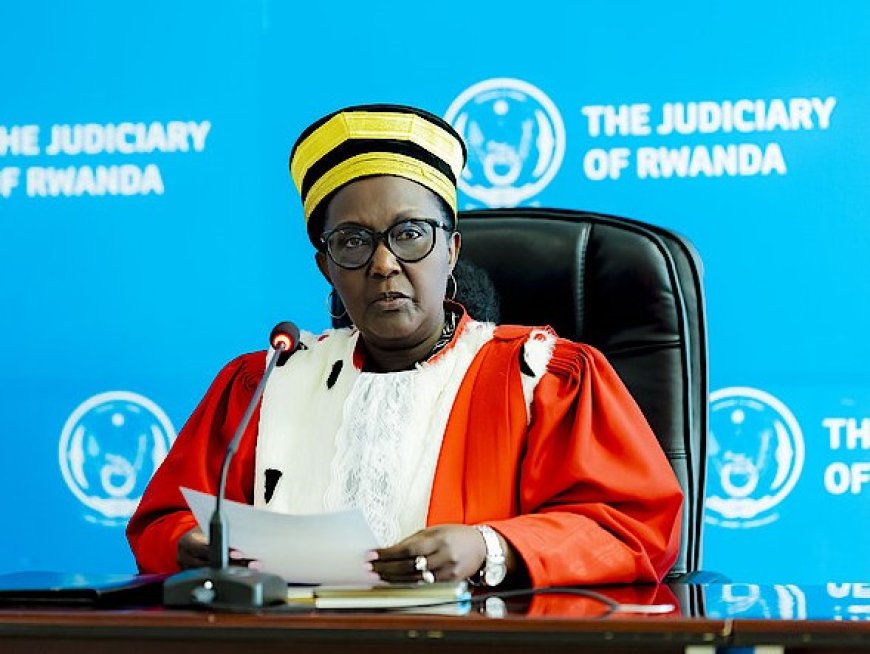
The guidelines, signed by Supreme Court President Domitilla Mukantaganzwa and published in the Official Gazette on Oct. 1, will take effect Nov. 1.
They apply to anyone under 18 involved in either criminal or civil proceedings, whether as a suspect, victim or witness.
Under the new rules, courts should, where possible, set specific hearing days for cases involving children and assign trained judges to handle them.
Prosecutors will also be required to submit a detailed report on a child before a case can be registered by the court. The report will form part of the case file, and a case cannot be registered without it.
The report must cover the child’s personal and family history, health, education, development and home circumstances. Where assessments have been conducted, it should also include relevant medical or psychological findings and recommendations on rehabilitation or reintegration.
Before a child’s case is scheduled for hearing, court registries will hold a pre-trial meeting, using technology where necessary, to establish whether the case file is complete and whether the child is ready to participate in the proceedings.
The rules also require judges, prosecutors and lawyers handling children’s cases to avoid wearing their usual professional robes during hearings. They must use language the child understands and explain the proceedings and planned actions.
Children in detention will be transported separately from adults, while those attending court will wait in secure areas away from adults. They may be accompanied by a trusted adult or, where necessary, a lawyer.
The guidelines prohibit the public or media from disclosing the identity of a child involved in a case.
Courts are also directed to prioritise rehabilitation and reintegration over punishment where appropriate, while considering each child’s individual circumstances in their decisions.