

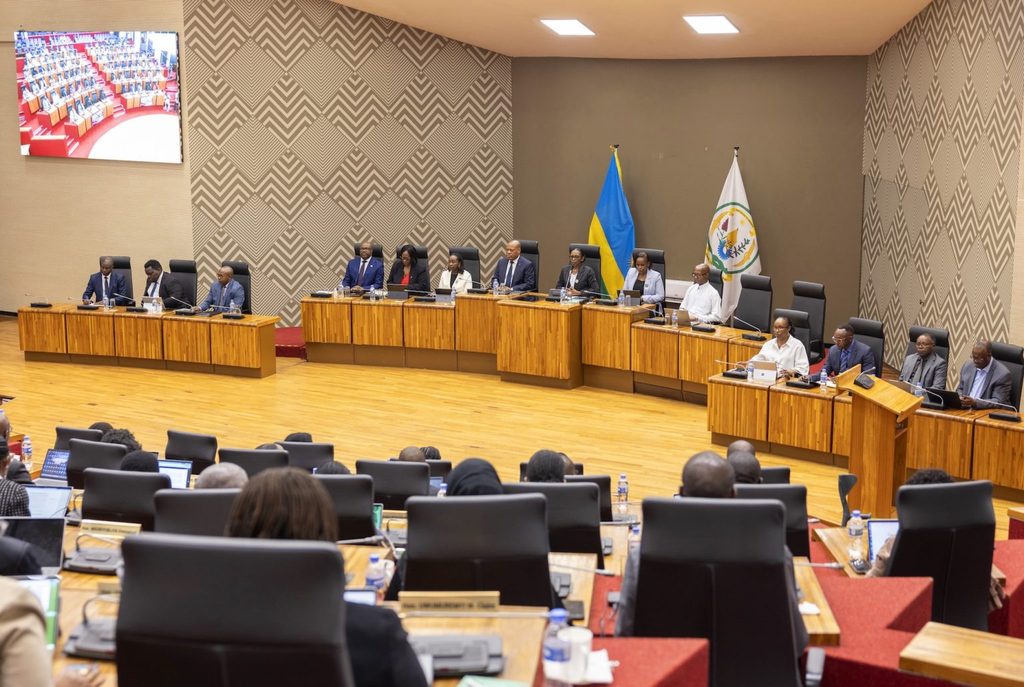
The number of Rwandans contributing to the Ejo Heza long-term savings scheme rose from 19,000 in 2019 to four million in 2025, Prime Minister Justin Nsengiyumva told Parliament on Friday.
Presenting the government’s progress in developing the financial sector to both chambers of Parliament on Oct. 2, Nsengiyumva said the increase showed growing participation in efforts to prepare financially for the future.
He said the growth should be viewed as more than an increase in the number of people enrolled in the scheme, describing it as a step towards building a culture of saving and strengthening the financial security of households and the country.
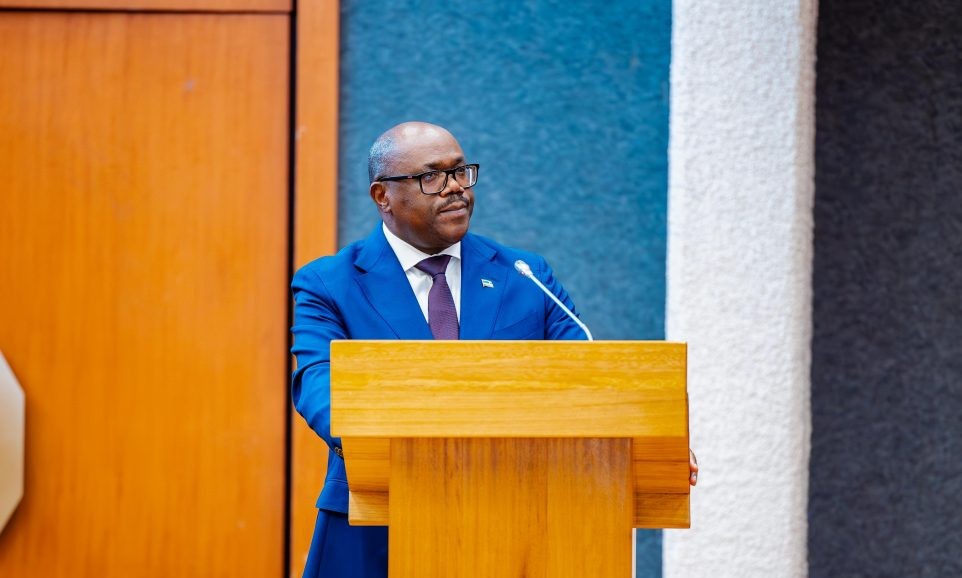
“The increase in the number of Rwandans making savings contributions through Ejo Heza means more than just the number of people participating in the scheme,” Nsengiyumva said. “It is a step towards building a culture of planning for the future and enabling citizens to contribute to the financial security of households and the country as a whole.”
Savings under the scheme reached Rwf49 billion, up from Rwf80 million, according to figures cited during the parliamentary briefing. The source figures, however, do not clearly specify the respective dates for the two amounts.
Nsengiyumva said the government was continuing to promote long-term savings as part of efforts to strengthen financial security and mobilise resources that can support economic activity.
The prime minister also highlighted developments in Rwanda’s capital market, saying the number of companies on the market had increased from one in 2017 to 10.
The 10 companies comprise five domestic firms and five foreign companies, he said, adding that the expansion had widened the options available to businesses seeking capital.
He said the growth also provided more opportunities to connect investors with economic activities.
“This increase from one in 2017 to 10, comprising five domestic companies and five foreign ones, has expanded the options available to companies to raise capital and provided broader opportunities to connect investors with economic activities,” Nsengiyumva said.