
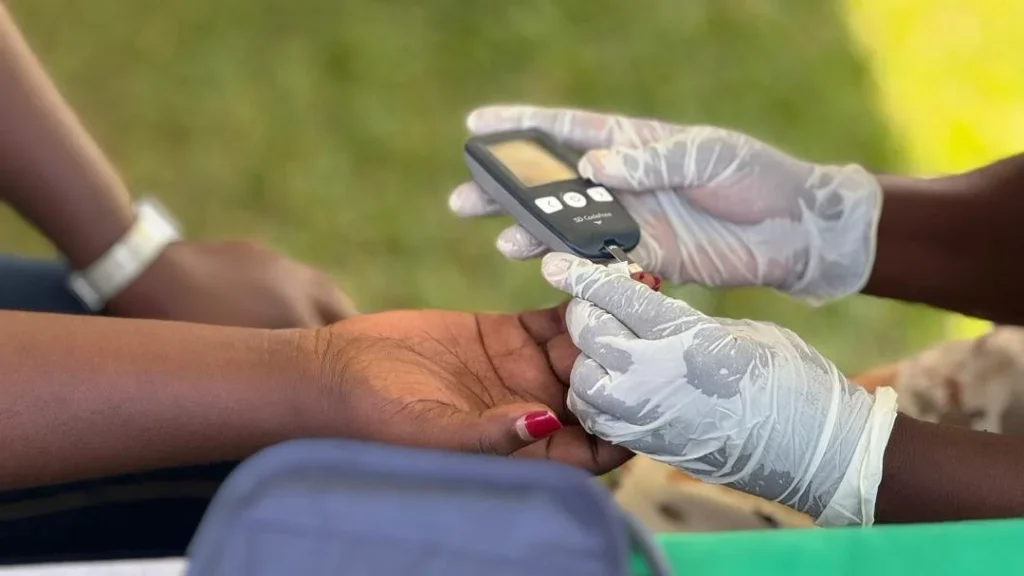
People living with diabetes in Rwanda face serious health risks between hospital appointments because many lack the knowledge and support needed to manage their conditions at home, patients and health advocates have warned.
They say patients need practical guidance on medication, diet and monitoring their health, particularly as most spend much of the year managing their conditions without direct supervision from healthcare professionals.
The concerns were raised on November 27, 2026, during a consultative meeting in Rwanda on improving integrated healthcare services for young people and strengthening partnerships in service delivery.
Organised by the Rwanda Diabetes Association (RDA) in partnership with the Rwanda Network of People Living with HIV (RRP+), the meeting focused on supporting children, adolescents and young people living with Type 1 Diabetes Mellitus (T1DM), including through self-care education and psychosocial support.
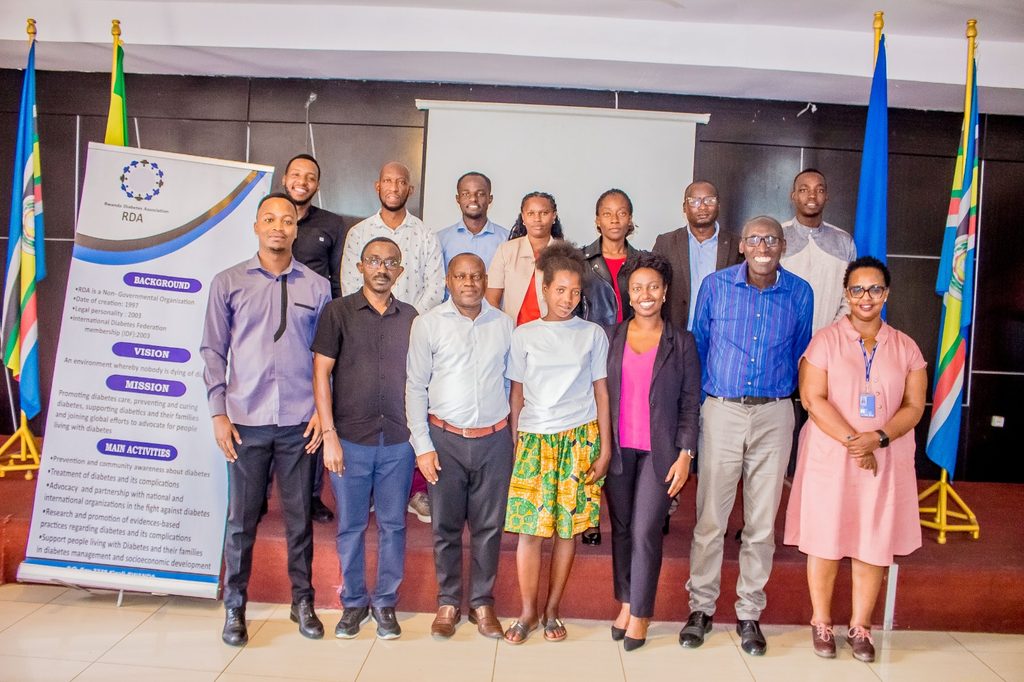
Participants identified inadequate health information, fragmented services, stigma and breaches of confidentiality as major barriers affecting young people aged between 10 and 24 who live with diabetes or HIV.
A 23-year-old man who has lived with diabetes for 10 years, identified as Ntakirutimana to protect his identity, said patients need to understand how to manage their health because hospital visits alone are insufficient.
“Patients see their doctors once a month. During the remaining days, they have to know when to take their medication, the correct dosage, what to eat and how to manage their daily lives,” he said.
He warned that poor blood sugar management could lead to complications including vision loss, amputations and wounds that fail to heal, as well as psychological distress.
Another patient, who has lived with diabetes for five years, said he lost his job after his employer discovered his condition. His fiancée also ended their relationship after learning about his diagnosis, amid misconceptions about diabetes and fertility.
RDA coordinator Etienne Uwingabire said families should be involved in patient education so they can help patients follow medical advice at home.
Jean Claude Habineza, an officer in the non-communicable diseases department at the Rwanda Biomedical Centre, said even people who cannot read can manage their conditions with assistance from trained relatives.
The 2025 Rwanda Demographic and Health Survey puts HIV prevalence at 2.2% among people aged 15 to 49 and 0.8% among those aged 15 to 24.
The International Diabetes Federation estimated that 130,800 adults aged 20 to 79 were living with diabetes in Rwanda in 2024, with 85.6% unaware they had the condition.