
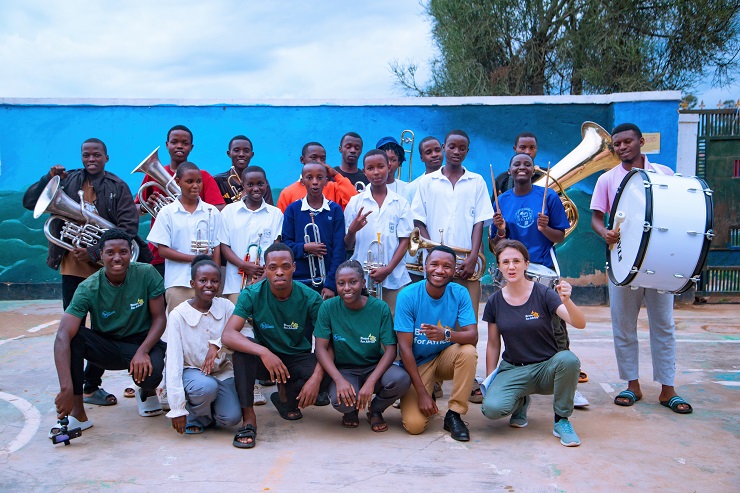
A growing number of children are interested in joining a brass band programme at Root Foundation, but limited space is making it difficult for the organisation to accommodate them.
The organisation says it receives around 150 registrations from interested children but can only take about 30 new participants at a time. It is now seeking partnerships with institutions, businesses and other organisations to expand music education and life-skills training to more communities in Rwanda.
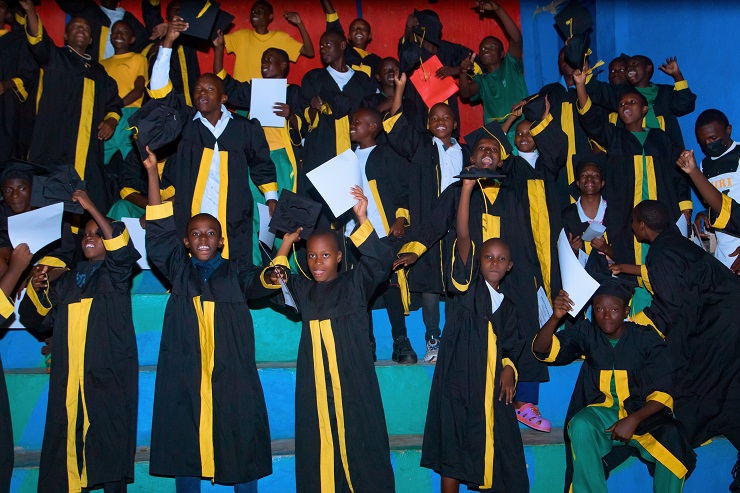
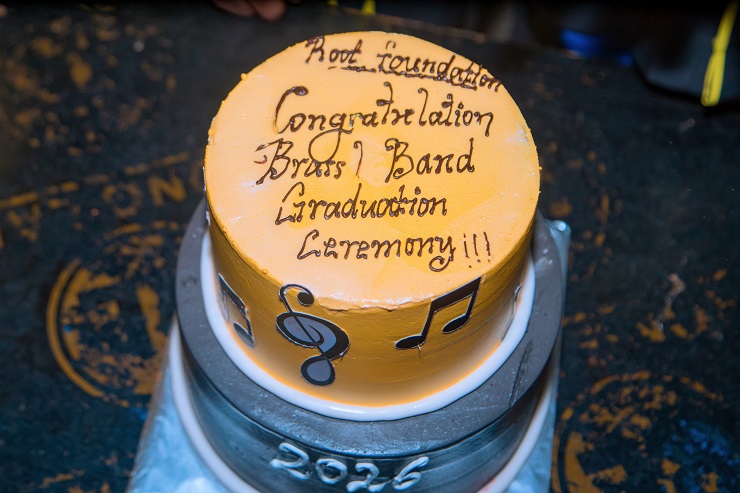
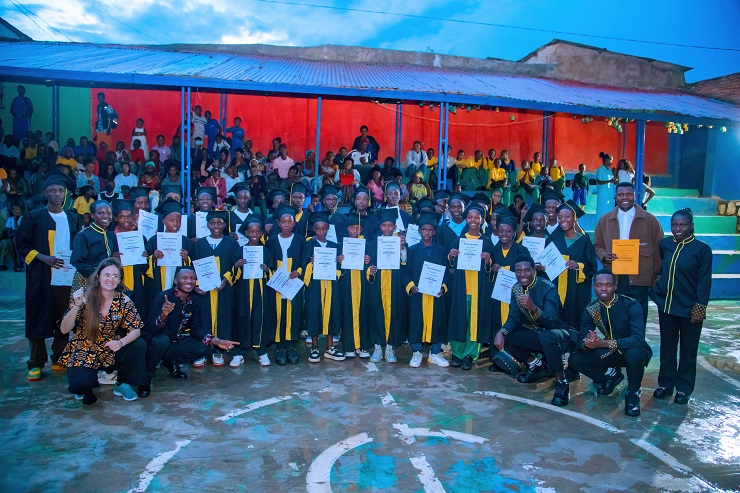
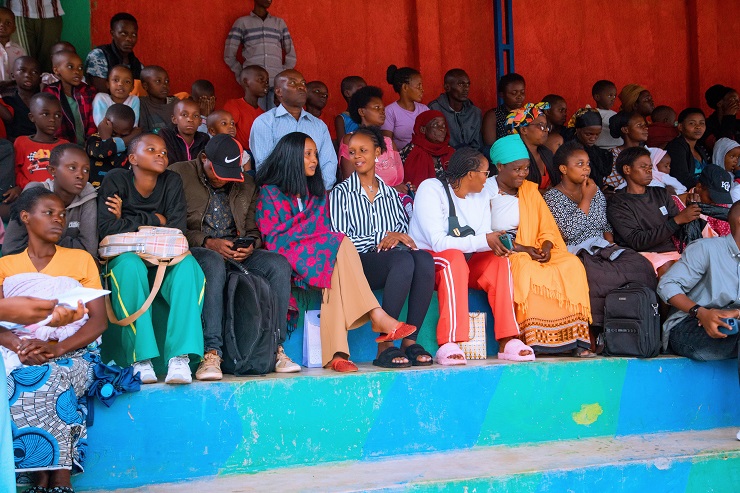
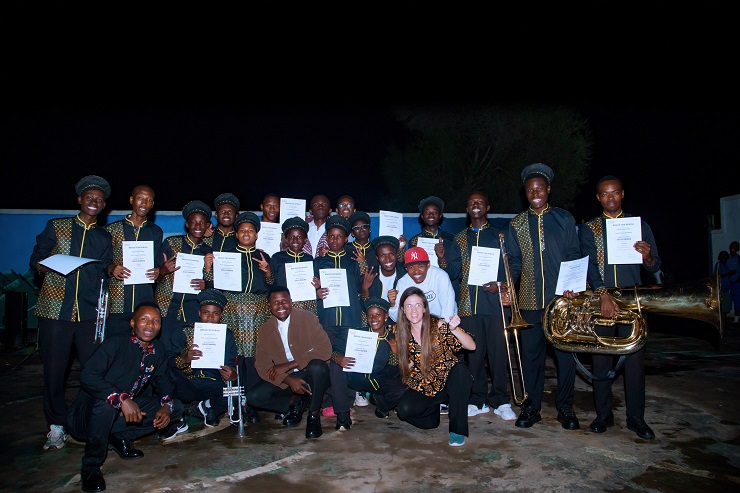
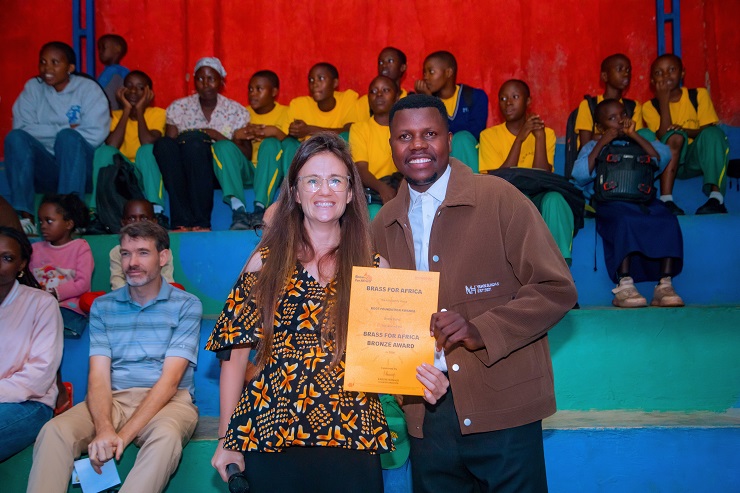
The organisation’s progress was celebrated on November 25, 2026, during a graduation ceremony held at Root Foundation’s head office in Kigali, where 72 students graduated from different levels of the brass band programme, while five others completed the Future Leaders Through Music programme.
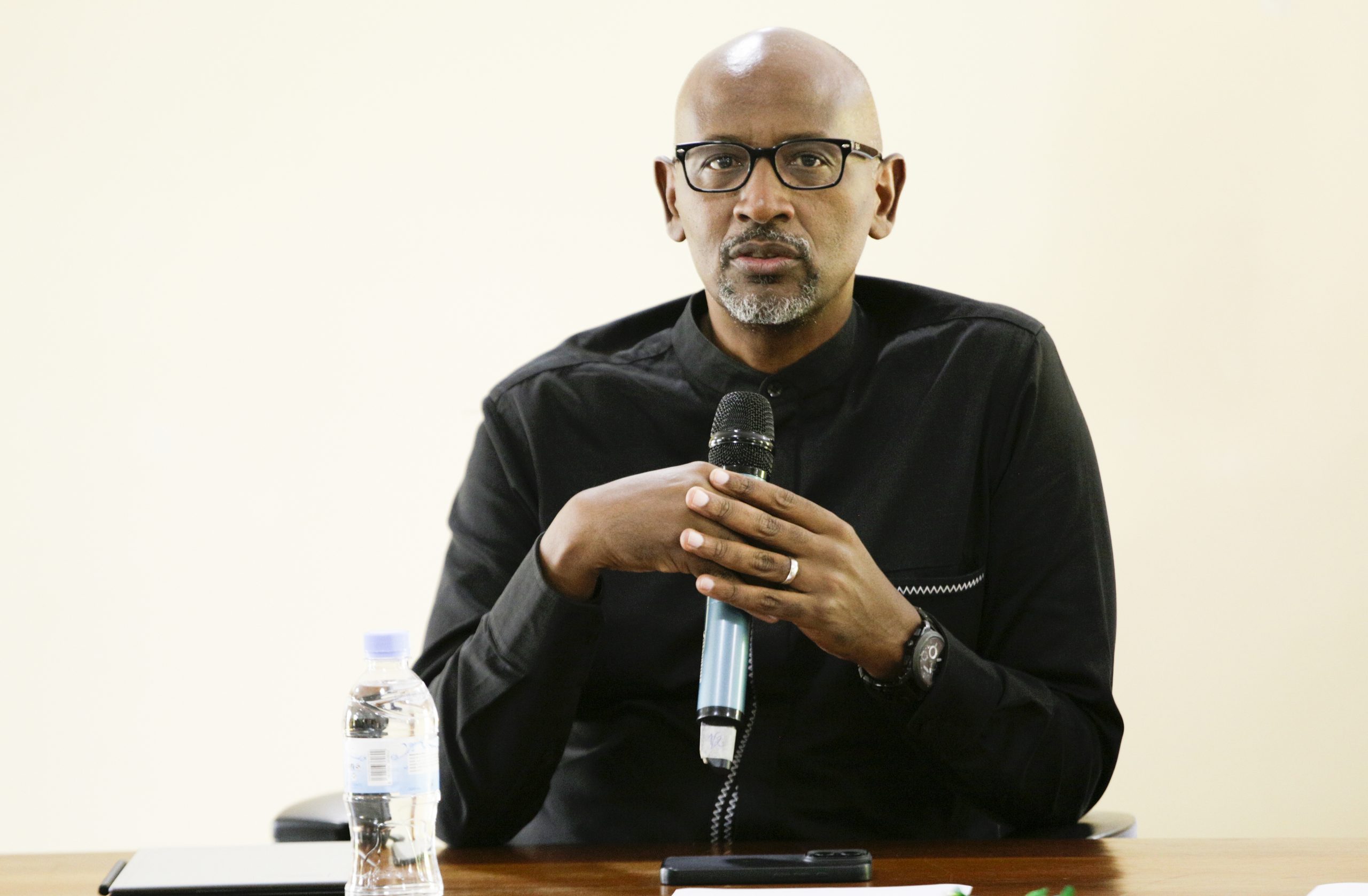
“We always register 150, yet we need only 30,” says Francois Dunia, Executive Director of Root Foundation. “It means we need to introduce bigger centres or different centres, different communities so that we can meet the expectations.”
Root Foundation hosts the Rwanda hub of Brass for Africa, a UK organisation based in Uganda. Their programme, launched at Root Foundation in 2019, combines brass music education with life-skills training for children and young people.
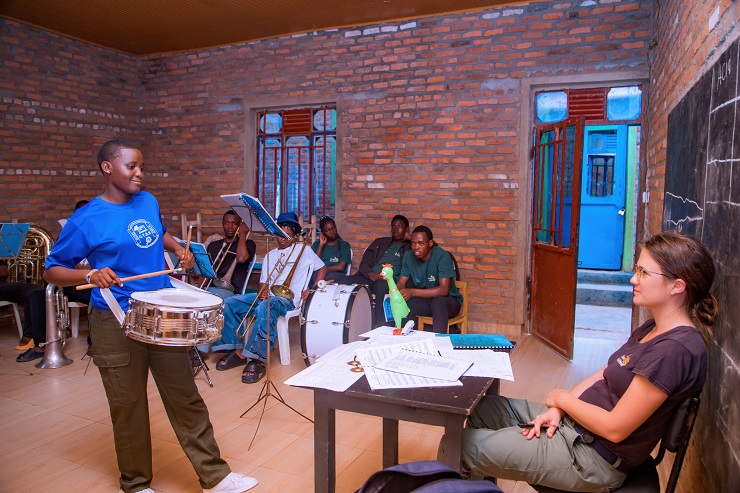
Participants learn to play instruments such as trumpets, trombones and tubas, while developing confidence, communication, teamwork and problem-solving abilities.
The programme’s recent graduation ceremony recognised 72 students completing stages in the Bronze, Silver and Gold bands. Five others graduated from the Future Leaders Through Music programme, which prepares participants to assist teachers and support community activities.
For Dunia, the growing interest demonstrates the need to take the programme beyond its current centre.
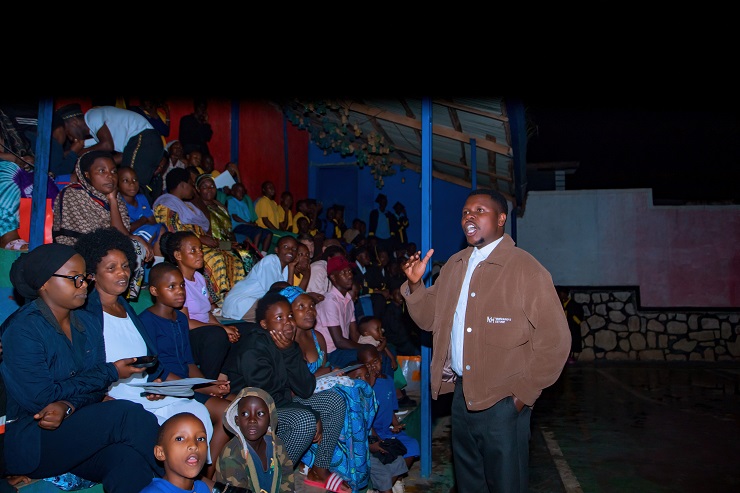
“We have now the future leaders through music,” he says, explaining that senior participants have opportunities to advance their skills through training in Uganda and return to support teaching in Rwanda.
The programme follows four stages: Bronze, Silver, Gold and Platinum. Students advance through assessments, while new participants join at the beginner level.
Joseph Best Bagumirabingi, a music (brass band) and life-skills teacher from Brass for Africa and Rwanda hub coordinator, says the curriculum is intended to build abilities that remain useful beyond musical performance.
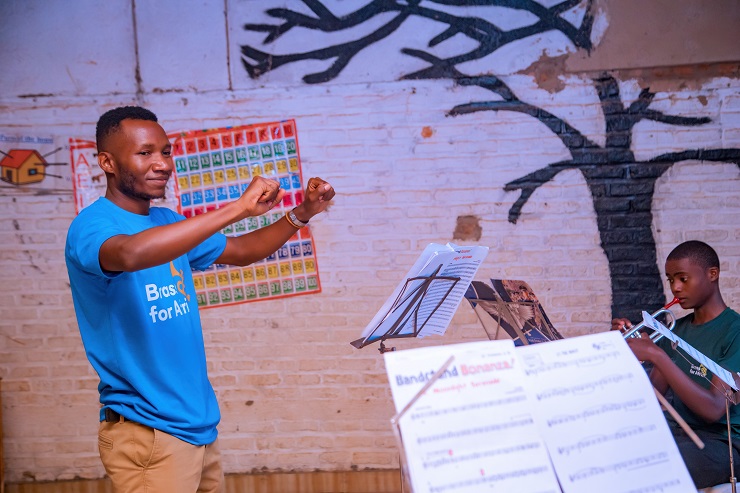
“By the time you reach our top Platinum level, we believe that you have gained a lot of skills. Listening, you solve problems, you work as a band,” he says. “People can think, can create and they can communicate.”
Best, who comes from Uganda, says teaching in Rwanda has also shown him how music can connect people across language barriers. He has seen students improve their English through interaction and lessons, while developing concentration and teamwork skills.
Building local teaching capacity is central to Root Foundation’s expansion plans. Dunia says participants who have advanced their skills in Uganda are returning to assist the main instructor. Five graduates of the Future Leaders Through Music programme are also expected to support classes and community initiatives.
Lizzie Burrowes, Director of Music Education at Brass for Africa, says Root Foundation became a partner after a German intern who was working with the organisation visited Uganda and discovered Brass for Africa.
The intern, who played brass music, suggested that the programme could benefit Root Foundation’s work with young people.
“We found that Root Foundation are the most supportive partner to Brass for Africa, that they’re doing wonderful work in the community, they support real change, they’re open to new ideas, and they really champion their young people,” Burrowes says.
Brass for Africa works in Uganda, Rwanda and Liberia, reaching 6,000 students every week across the three countries, according to Burrowes.
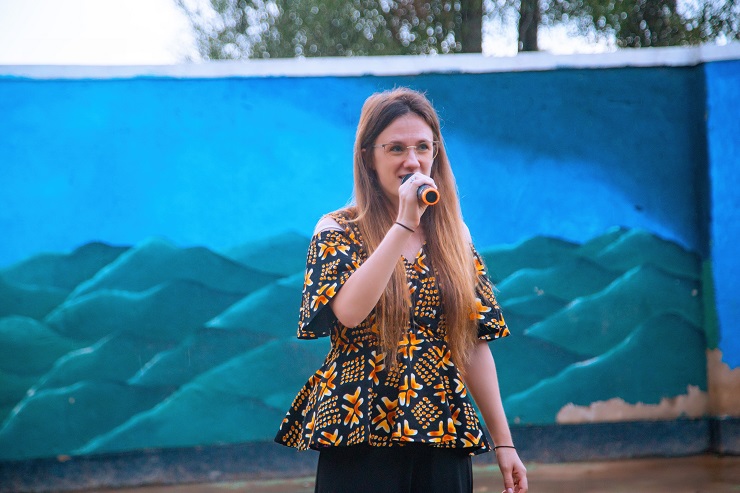
She says the organisation uses music to help disadvantaged children and young people develop confidence, concentration and perseverance, while creating opportunities for better education, health and equality.
Root Foundation is also seeking stronger institutional recognition for its training. Dunia says the organisation has approached the Rwanda TVET Board about providing certificates that would be competitive locally and internationally. Participants currently receive certificates from Brass for Africa.
Beyond certification, the organisation is exploring ways to use existing youth centres and facilities belonging to other institutions to deliver programmes in different districts.
Dunia says Root Foundation has been working in Chikali since 2021 through a personal development programme in partnership with a primary school. The initiative supports children’s academic performance and character development.
The organisation hopes to introduce music as part of its activities in additional communities, depending on local needs and the number of children who could benefit.
It also has ambitions to establish a School of Arts in 2029. Dunia says the organisation has already constructed its current centre and is planning another construction project as part of its longer-term vision.
However, he says expansion will require partners willing to provide space and other resources.
“We want to make our programme more mobile,” he says. “Once you are an organisation, once you are a company, and you are working with the community, and you wish you have maybe space, our programme wants to make it more mobile so that the kids can be able to learn.”
Financial sustainability is another challenge. Root Foundation’s brass band performs at weddings, corporate events, graduations and birthday celebrations. Income from these activities contributes to school fees for some participating students.
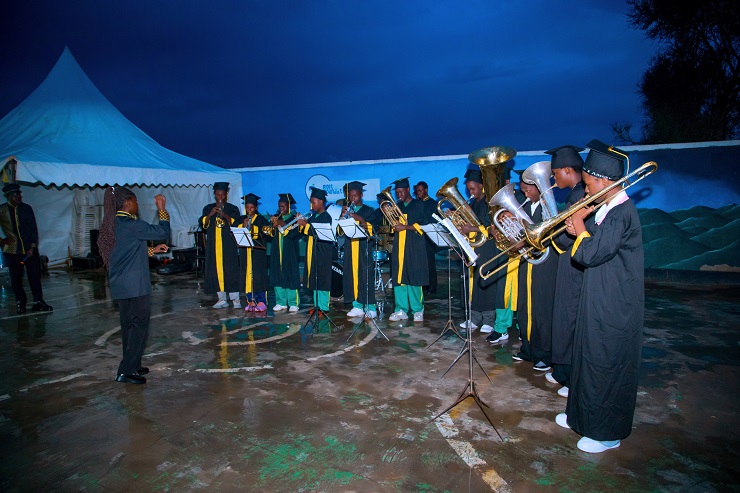
Dunia says the organisation needs more performance opportunities so that the band can generate income and gradually contribute more towards its operating costs.
“We dream that in the future it will also be contributing at least 50 per cent of the whole budget for the programme,” he says.
Burrowes agrees that creating a market for the young musicians is important. She is calling on government institutions, companies, event organisers and community groups to invite the band to perform.
“Musicians need people to perform to,” she says. “There are not many brass bands around in Rwanda, so please invite them to play.”
Brass for Africa is also beginning to work with Rwanda Rocks as it explores opportunities to reach more young people in the country.
Burrowes says the intention is to extend the music and life-skills approach to communities where young people may have limited opportunities to develop their talents.
She says the programme is free and welcomes children who are interested in learning, while encouraging parents to support their children’s participation.
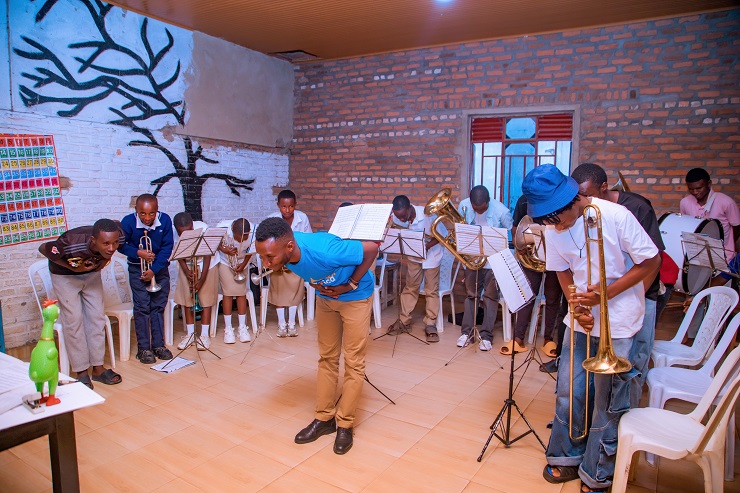
For Root Foundation, the next stage will depend on whether the organisation can turn its expansion plans into practical partnerships that provide facilities, strengthen local teaching capacity and create more opportunities for the band.
Burrowes sums up the ambition through a Ugandan expression, Byonna bisoboka, meaning everything is possible.
“We want this programme to go to many people, simply because we know that it has impact and that it’s changing people’s lives,” she says.
The challenge now is to ensure that more children across Rwanda can access those opportunities.