
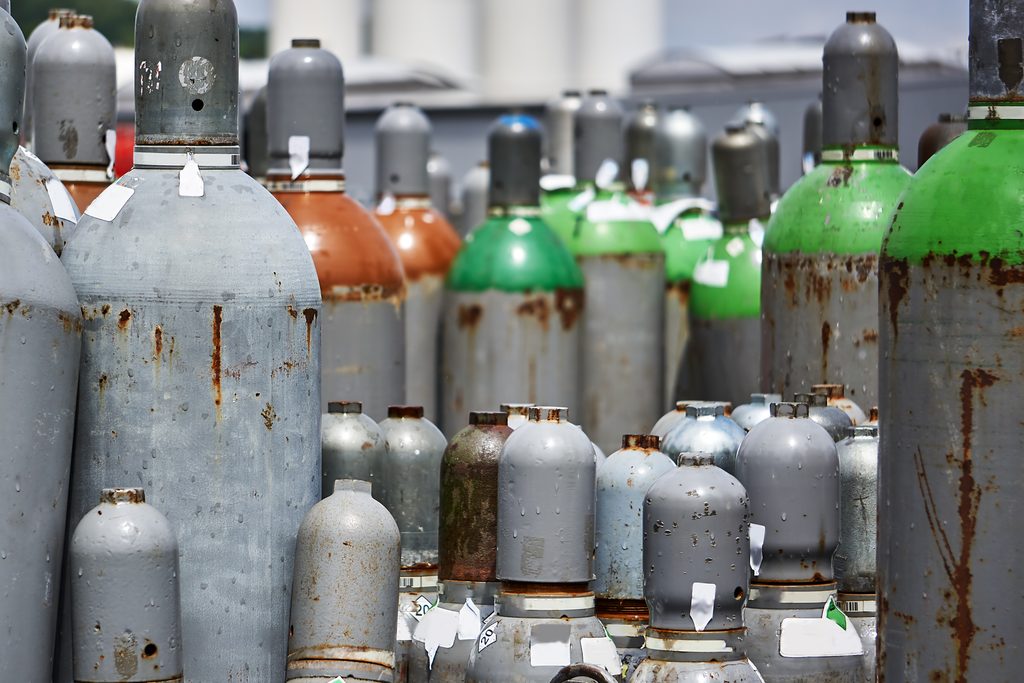
Rwanda is strengthening controls on refrigerant imports and exports and training customs officers and refrigeration technicians as it seeks to prevent illegal trade in chemicals that threaten the ozone layer and contribute to global warming.
The measures include an electronic licensing system, import quotas and training for customs and environmental enforcement officers to improve their ability to identify controlled substances and detect illegal shipments, according to the Rwanda Environment Management Authority (REMA).
The government has also introduced an Ozone-Depleting Substances Ministerial Order to provide a legal framework for regulating trade in the substances.
The enforcement effort comes as Kigali hosts the 38th Meeting of the Parties to the Montreal Protocol from November 2 to 6, marking 10 years since countries adopted the Kigali Amendment in Rwanda in 2016. The amendment requires a gradual reduction in the production and consumption of hydrofluorocarbons (HFCs), powerful greenhouse gases widely used in cooling equipment.
REMA reports that more than 500 customs officers and 400 refrigeration and air-conditioning technicians have been trained to strengthen controls and promote the use of climate-friendly alternatives.
However, publicly available information reviewed for this story does not establish how many illegal shipments have been intercepted in Rwanda, the quantities seized or the number of related prosecutions.
The training figures indicate the scale of the capacity-building effort, but the effectiveness of the controls will also depend on whether restricted substances are detected at entry points and properly monitored once they enter the market.
Technicians’ role in enforcement
The challenge extends beyond border controls. Refrigeration and air-conditioning technicians handle refrigerants during installation, maintenance and repair, making their skills important in preventing leaks and ensuring that used gases are safely recovered.
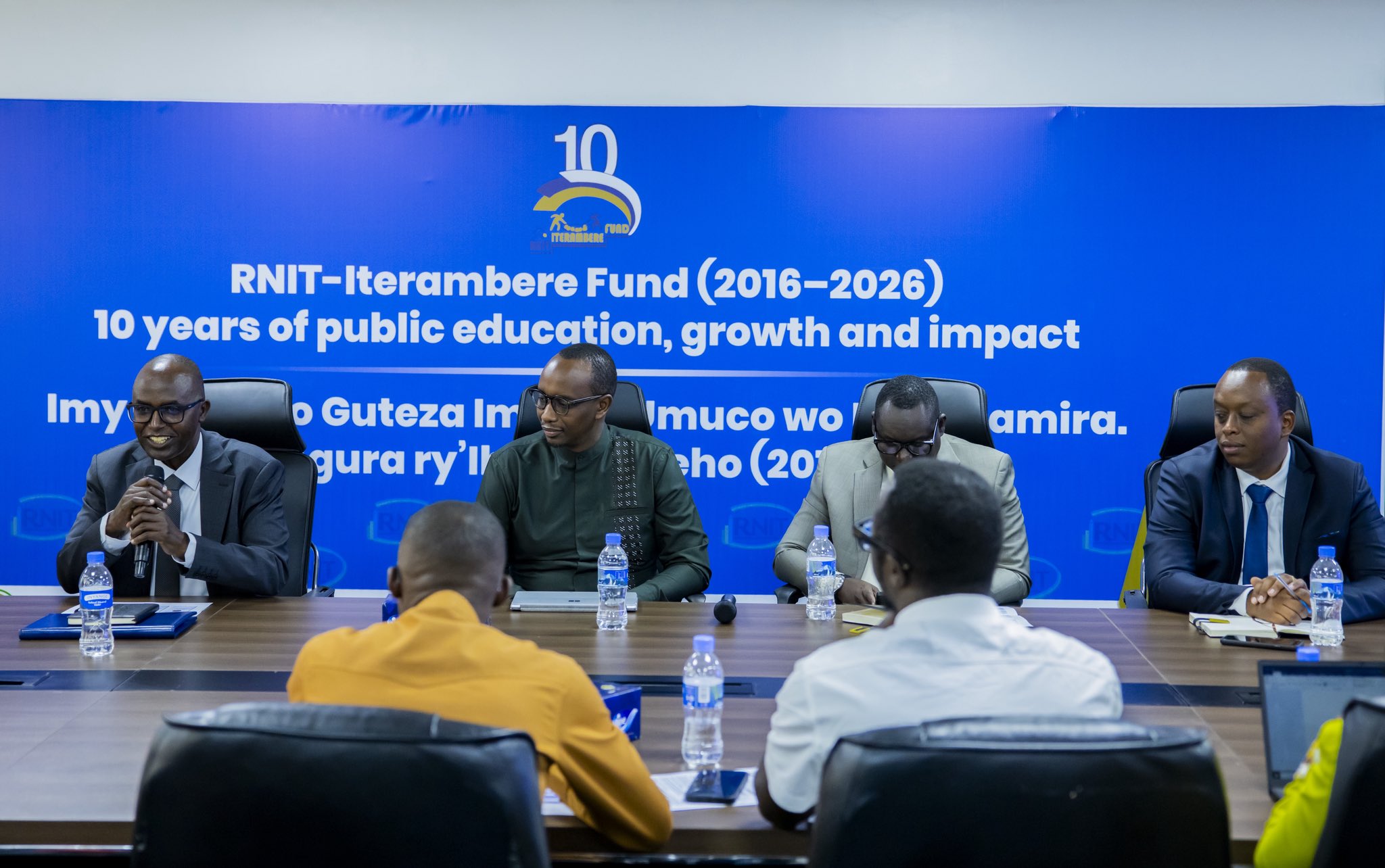
Speaking at the sixth ordinary general assembly of the Union of Associations of African Actors in Refrigeration and Air Conditioning (U-3ARC) in Kigali, Eric Mudakikwa Ruhanamirindi, REMA’s Environment Analytics and Lake Kivu Monitoring Division manager, said technicians were essential to putting government policies into practice.
“Policies set the targets, technicians meet them,” he told delegates.
He said professional associations could help regulators reach technicians working in the informal sector, who may be difficult to engage directly through inspection and licensing systems.
“No government can play alone. A regulator can licence, inspect and set standards. It cannot stand beside every technician in every workshop. You can,” Ruhanamirindi said.
He urged industry representatives to identify the barriers facing technicians as the sector shifts towards refrigerants with lower global warming potential.
“Make it specific. Name each barrier. Name the solutions. Name who must act,” he said.
A workshop held on April 20 and 21, 2026, also brought together customs officers, clearing agents and enforcement officials from major entry points, including Rusumo, Rusizi, Gatuna, Kagitumba and Kigali. The training focused on identifying controlled refrigerants, understanding import requirements and detecting illegal trade.
Meeting climate targets
Rwanda’s enforcement measures support its commitments under the Kigali Amendment, which it ratified in 2017. The country introduced an HFC consumption freeze in 2024 and aims to reduce consumption by 80 per cent by 2045.
Its national schedule sets reduction targets of 10 per cent by 2029, 30 per cent by 2035 and 50 per cent by 2040, before reaching the 80 per cent target in 2045.
Rwanda phased out chlorofluorocarbons (CFCs) in 2010 and began implementing its Hydrochlorofluorocarbon (HCFC) Phase-out Management Plan in 2013. The plan set reduction targets of 10 per cent in 2015, 35 per cent in 2020 and 67.5 per cent by 2025, with complete phase-out targeted for 2030.
The Montreal Protocol, adopted in 1987, established the international framework for phasing out substances that damage the ozone layer. CFCs and HCFCs are among the chemicals covered by the agreement. HFCs were adopted as alternatives because they do not deplete ozone, but their contribution to global warming led countries to agree to reduce their use through the Kigali Amendment.
Illegal trade can undermine these commitments by allowing controlled refrigerants to enter markets outside official licensing and quota systems, making it harder for authorities to monitor consumption.
Investment in technical capacity
Rwanda is also working with development partners to improve the identification and management of refrigerants.
A report submitted by the government to the UN Ozone Secretariat says modern equipment has been distributed to four training centres, while plans have been made to establish a refrigerant reclamation unit at one of the centres. The initiative is intended to improve practical training and the recovery and reuse of refrigerants.
Experts from the Africa Centre of Excellence for Sustainable Cooling and Cold-chain (ACES) have also emphasised the need to train technicians in safe refrigerant handling and recovery.
Oluyomi Banjo, who leads UNIDO’s work on the Montreal Protocol and sustainable cooling, said the transition depended on the professionals handling the substances.
“One lesson stands out from this decade. The transition is won or lost in the hands of the type of people who are seated in this room,” Banjo said.