
Teenage pregnancies among girls under 18 in Rwanda’s Northern Province increased by 16.1 per cent in 2025, reaching 3,727 cases from 3,211 the previous year, according to provincial authorities, who warn that the problem is undermining girls’ welfare and development.
The figures represent an increase of 516 cases in one year, with Governor Mugabowagahunde Maurice calling for greater community involvement to prevent teenage pregnancies and support girls already affected.
“In 2024, our province recorded 3,211 girls under 18 who became pregnant. Last year, in 2025, the number rose to 3,727, an increase of 16.1 per cent. These figures are very high,” Mugabowagahunde said.
He singled out Kinigi and Nyange sectors in Musanze District as areas where the problem is particularly pronounced, urging residents and local institutions to work together to address it.
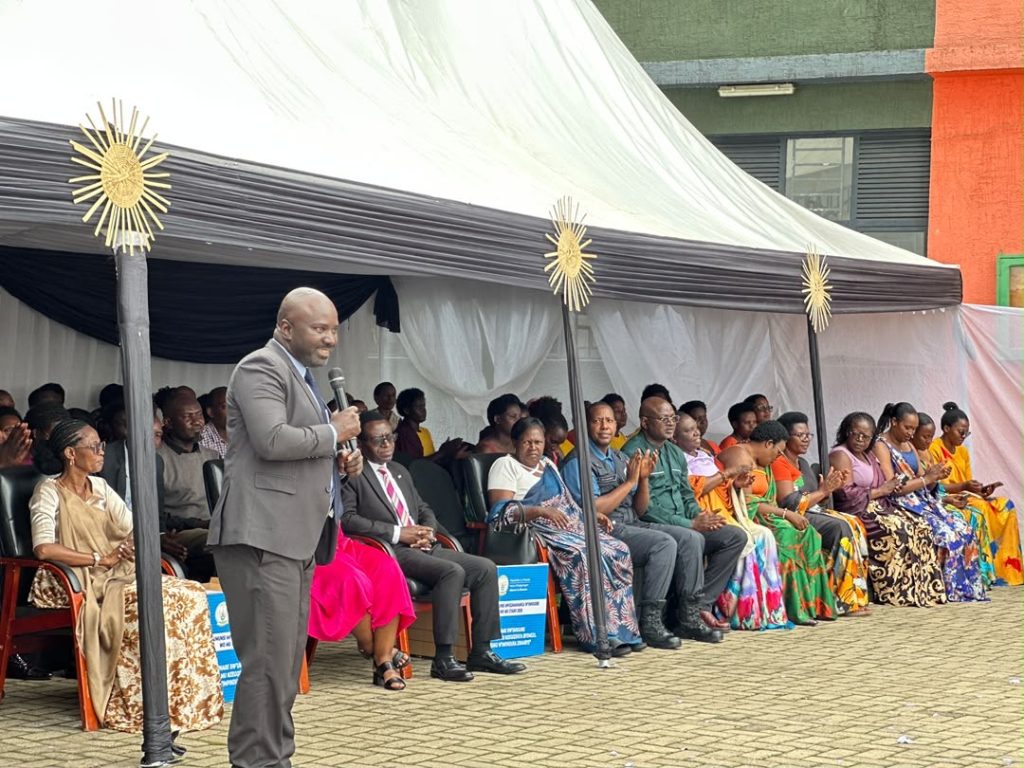
“These are our children, as parents and as Rwandans. We must all play a role in prevention, particularly in Kinigi and Nyange sectors in Musanze District, where the problem is widespread,” he said.
Beyond the figures, accounts from young women affected by teenage pregnancy point to the difficulties some face after becoming pregnant, including rejection by their families, interrupted education and a lack of basic support.
Uwajeneza Sophie, 20, from Kinigi Sector in Musanze District, said she became pregnant at 17 after a relationship with a married man who later abandoned her.
“My parents rejected me, and even getting food became a problem. Sometimes they made me sleep outside. I eventually dropped out of school, and the man who got me pregnant disappeared and offered no support,” she said.
Uwajeneza said the experience left her facing serious difficulties until she gave birth. She urged parents not to abandon girls who become pregnant, saying that being welcomed back and receiving guidance from her parents helped her regain hope.
Mutoni Eugénie, from Gahunga Sector in Burera District, linked her own experience to difficulties within her family, including conflict between her parents and a lack of money for food and school expenses.
She said she sometimes returned from school without food and lacked the money needed to continue her studies. She later became pregnant by a man who owned a shop in her neighbourhood.
Mutoni said she now lives independently in Gahunga trading centre and called on parents and local leaders to pay greater attention to children’s upbringing and welfare.
Mukantwali Emmerence, a parent, also warned against neglecting children. She said she and her husband often returned home late after running a business in Musanze town, leaving little time to check on their children.
“We would get home at around 9 p.m. and find the children already asleep. Later, we discovered that our daughter was pregnant. As parents, we should avoid neglecting our responsibility to raise our children,” she said.
The accounts highlight the need for prevention efforts alongside support for girls who become pregnant, including access to healthcare, counselling and family support to help them rebuild their lives.