
Rwanda’s human rights commission has urged justice and correctional institutions to treat rehabilitation as a process that starts during investigation and continues after offenders return to their communities.
The National Commission for Human Rights (NCHR) says a coordinated approach is needed to ensure people convicted of crimes are not only punished but also prepared to change their behaviour and reintegrate into society.
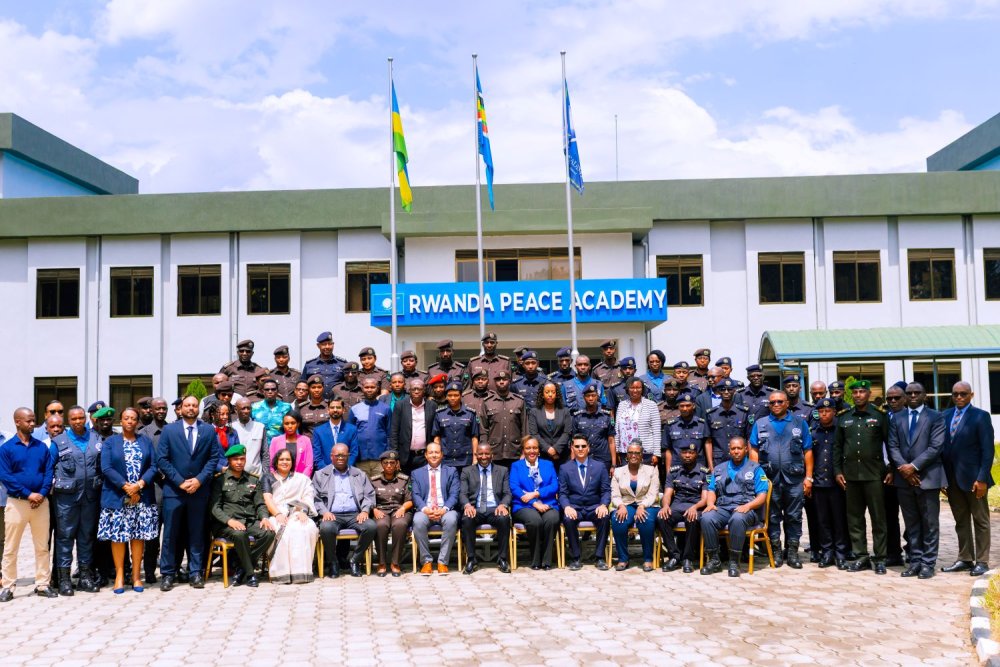
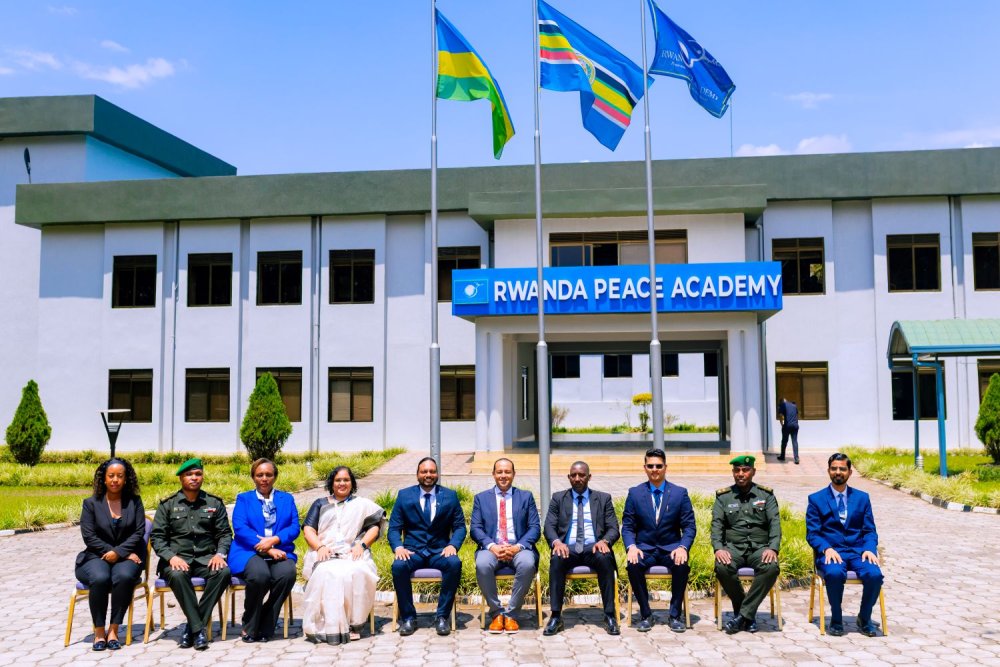
The commission made the call as it launched a five-day training on rehabilitation and reintegration on Sept. 29 at the Rwanda Peace Academy in Nyakinama, Musanze District.
The programme has brought together representatives of the police, Rwanda Investigation Bureau (RIB), prosecution authorities, Rwanda Defence Force, Rwanda Correctional Service and military justice institutions.
NCHR Vice President Tuyizere Thaddée said the involvement of different institutions reflects the fact that rehabilitation is linked to several stages of the justice process.
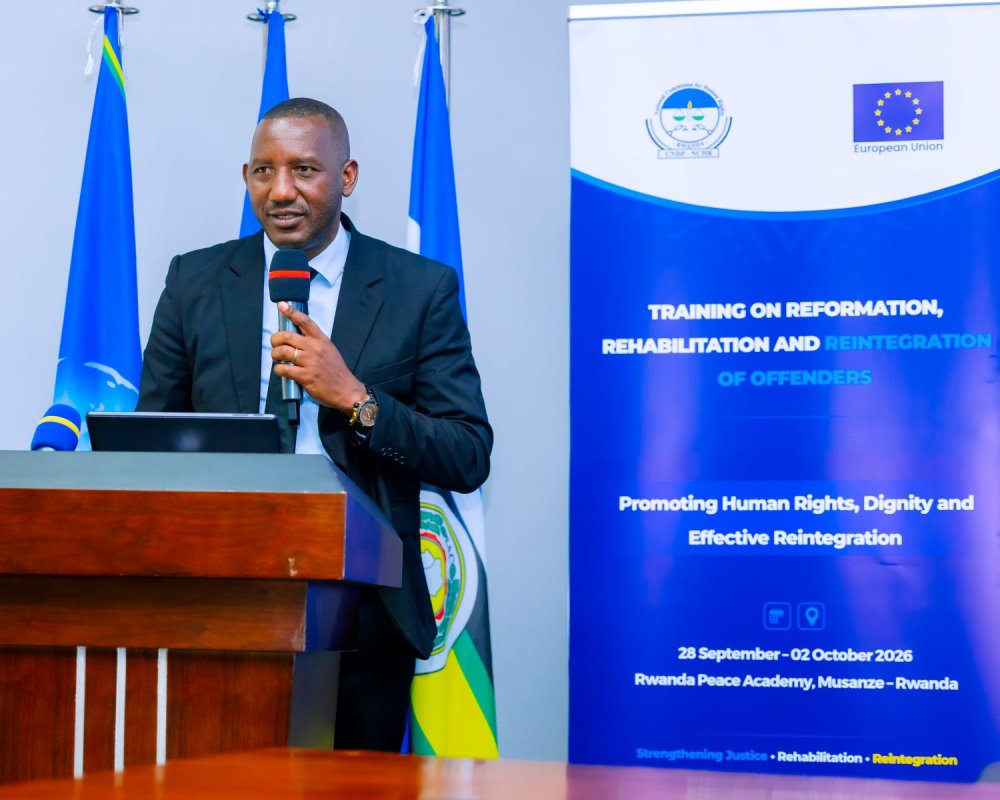
“Rehabilitation, reforming behaviour and reintegrating offenders into society are responsibilities shared by different institutions, rather than the responsibility of one institution alone,” he said in an interview with IGIHE.
According to the commission, the police have responsibilities including crime prevention, arrests and protection of human rights during detention and investigations. RIB conducts investigations, while prosecutors make decisions and pursue cases that can affect the subsequent course of an offender’s rehabilitation.
Correctional institutions then play a key role in helping offenders change their behaviour and preparing them for life after their sentence.
The NCHR said rehabilitation also involves access to education, healthcare, vocational training and other programmes that can help people prepare for their return to society.
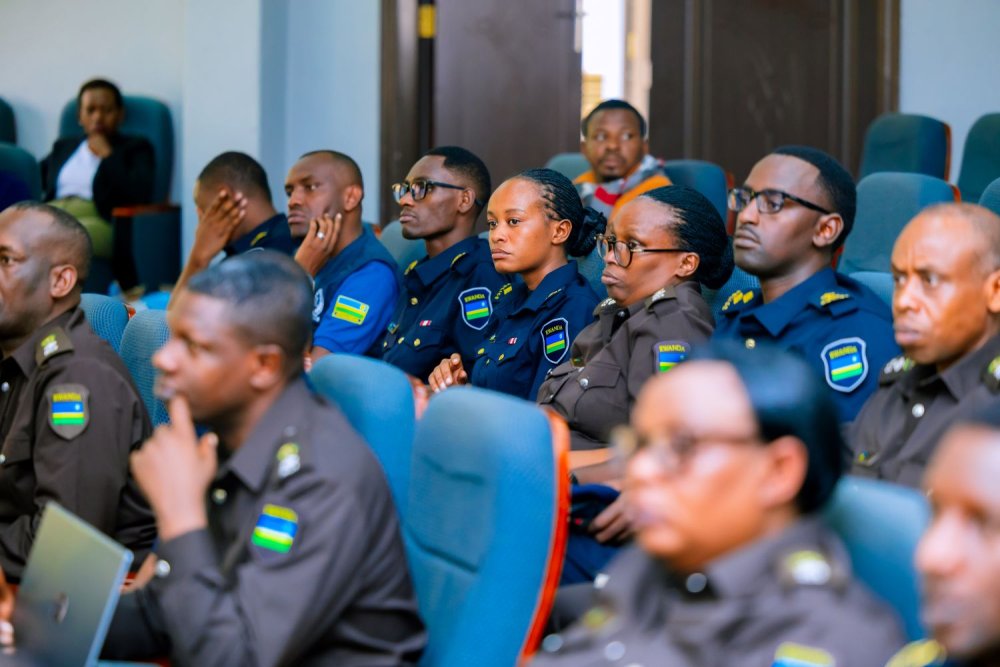
The training is being held with support from the European Union Delegation to Rwanda, through a project focused on promoting and protecting human rights, and India’s Rashtriya Raksha University.
The commission said the programme is intended to improve participants’ practical skills while strengthening respect for human rights, preventing torture and abuse, and improving rehabilitation practices.
Tuyizere said bringing the institutions together should help them develop a shared understanding of rehabilitation and coordinate their work more effectively.
He said the approach should cover the full justice process, from investigation and prosecution through a person’s sentence and eventual return to the community.