

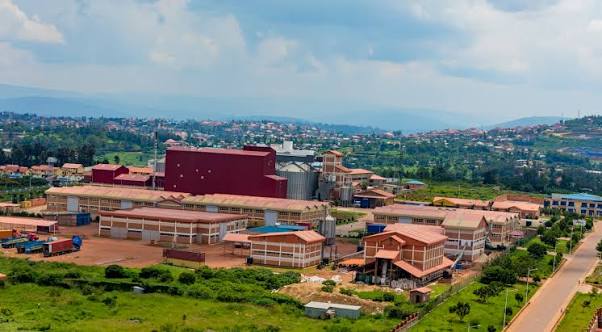
Plans to establish about 30 industrial sites in Kigali have raised questions among lawmakers over land management and whether the expansion of industrial areas is being matched with proper planning and infrastructure.
The concerns were raised on Monday as the government presented to the Senate its plans to develop infrastructure and improve services in industrial zones across the country.
Rwanda currently has 10 major industrial parks classified as national-level zones, but senators questioned the growing number of smaller industrial areas identified by districts and the City of Kigali.
Senator Laétitia Nyinawamwiza said officials had informed lawmakers that Kigali alone had about 30 locations designated for industrial activities, raising concerns over how the land would be managed alongside other priorities such as housing, agriculture and forestry.
“Are we not limiting land available for other activities meant for housing, agriculture, forests and other uses?” Nyinawamwiza asked, adding that lawmakers wanted clarity on whether the Ministry of Trade and Industry had assessed all the proposed industrial locations.
Senator Evode Uwizeyimana also questioned why some industries operating in residential areas had not been relocated to designated industrial zones.
“There are industries built among residents that should be in industrial zones. When a citizen builds in an area not designated for housing, action is taken. Why should industries be treated differently?” he said.
Trade and Industry Minister Antoine Marie Kajangwe acknowledged the concerns, saying the government had identified challenges caused by scattered industrial development.
He said having too many industrial zones could make it difficult to coordinate investment and provide necessary infrastructure.
“Having 30 industrial zones in one city like Kigali is too many, and we are beginning to spread our efforts,” Kajangwe said.
The minister said the government had decided that each district should have one industrial zone, while Kigali would have five due to its size and economic importance.
Kajangwe said concentrating industries in fewer locations would help ensure better provision of infrastructure such as roads, electricity and water, while improving oversight of businesses operating in those areas.
Rwanda has identified industrial development as a key driver of economic growth and investment. Officials say better organised industrial zones will help create a more efficient environment for manufacturers while supporting the country’s long-term development plans.