

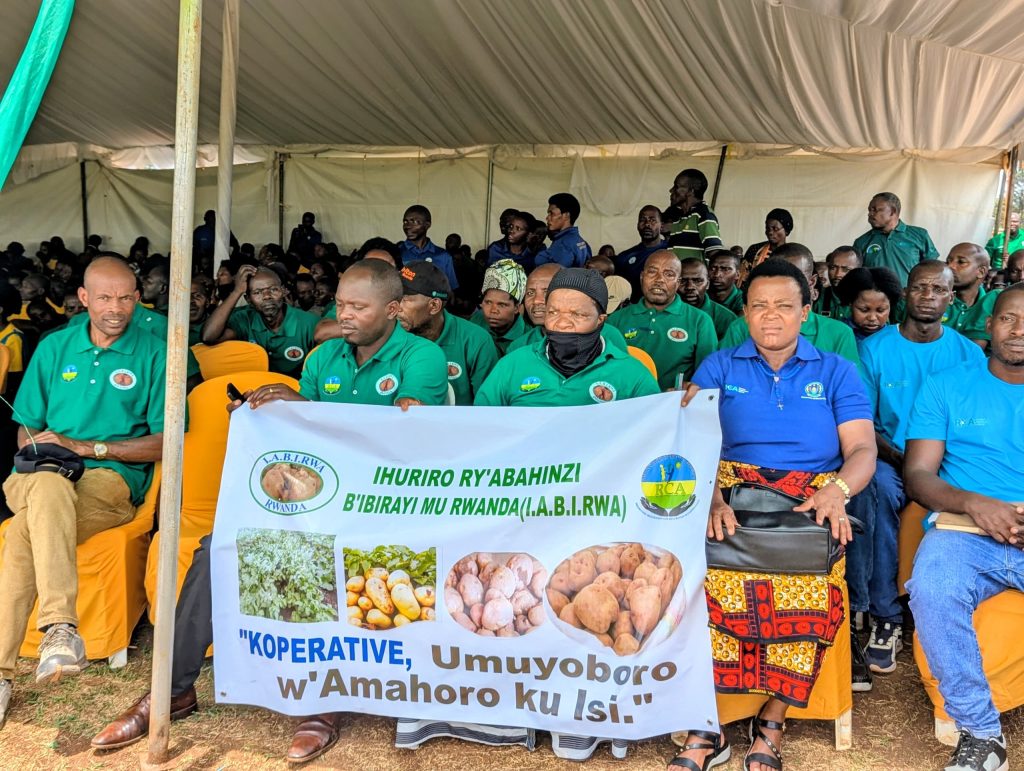
Cooperatives are being urged to become more productive and better managed as the government seeks to expand access to income and use collective enterprise to accelerate economic growth.
Trade and Industry Minister Antoine Kajangwe said cooperatives had already become an important part of the economy by enabling people with limited resources to pool their efforts and invest in activities they might not manage individually.
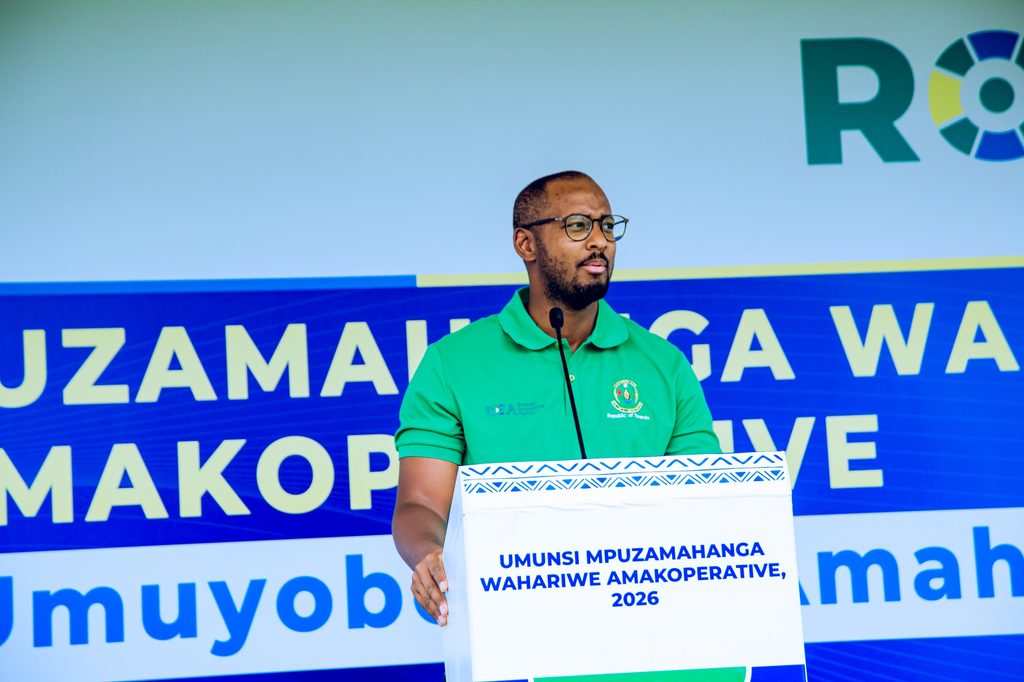
“People combine their efforts because this enables those with fewer resources to be supported by those with greater capacity,” Kajangwe said on Thursday at celebrations of International Cooperatives Day in Kayonza District.
The event brought together cooperative members and officials to mark the 22nd edition of the international observance, with the government using the occasion to push for stronger participation in collective economic activity.
The country has about 7,015 registered cooperatives with roughly 6.5 million members, according to figures presented at the event. They include 7,005 primary cooperatives, 56 federations, six confederations and a national cooperative union.
Kajangwe said the size of the sector meant improving the performance of cooperatives could have a direct effect on household incomes and the wider economy.
“Building the capacity of cooperatives and helping them operate effectively” would allow the sector to make a greater contribution to the country’s development ambitions through 2050, he said.
The minister acknowledged that some cooperatives continue to face difficulties but said others had developed businesses capable of delivering tangible benefits to their members.
COPRORIZ Ntende, a rice-producing cooperative in Gatsibo District, was recognised as the country’s outstanding cooperative during the celebrations.
Munyaburanga Joseph, a member of the cooperative, said access to marshland developed with government support had enabled members to move into commercial rice production.
For some members, the shift had brought incomes they previously could not imagine, he said.
“A person who had never owned 500,000 francs could earn one million francs from rice production,” Munyaburanga said.

Members had used the proceeds to build and renovate houses, buy livestock and pay school fees, he said.
The government says it will continue working with cooperatives to strengthen their capacity and help them develop sustainable businesses.
Kajangwe urged cooperatives that have performed well to share their experience with others, saying their progress could provide lessons for organisations struggling to grow.
The government sees the cooperative model as part of its broader effort to expand economic participation and support the long-term development goals set out in its Vision 2050.