
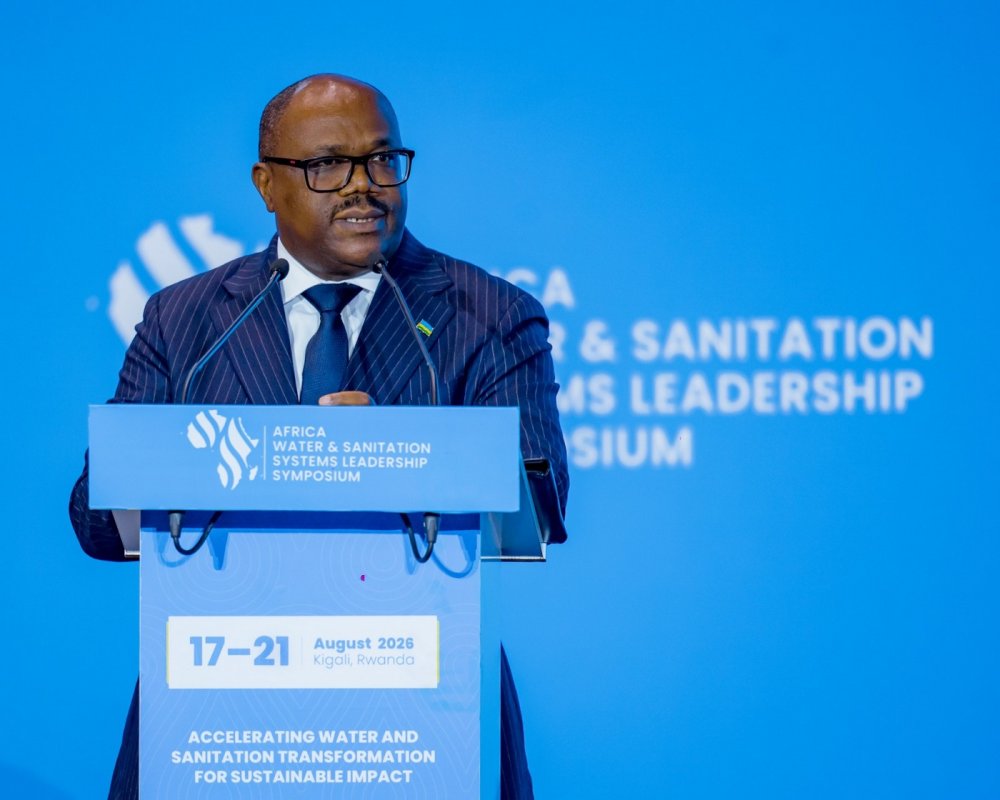
African countries should improve the management of existing water infrastructure instead of focusing mainly on building new facilities, Prime Minister Justin Nsengiyumva said Tuesday.
Nsengiyumva said billions of dollars have been invested in water networks, wells and treatment plants across the continent, but some facilities are no longer providing the services they were built to deliver.
He made the remarks at a five-day African conference on governance in water, sanitation and hygiene that opened Aug. 18.
Across Africa, 418 million people lack basic water services, while 779 million do not have basic sanitation services and 839 million lack basic hygiene services, Nsengiyumva said.
“Building infrastructure is important, but in most cases, it is only the beginning,” he said. “The real measure of success is whether that infrastructure is functioning properly and delivering services to people in a sustainable manner.”
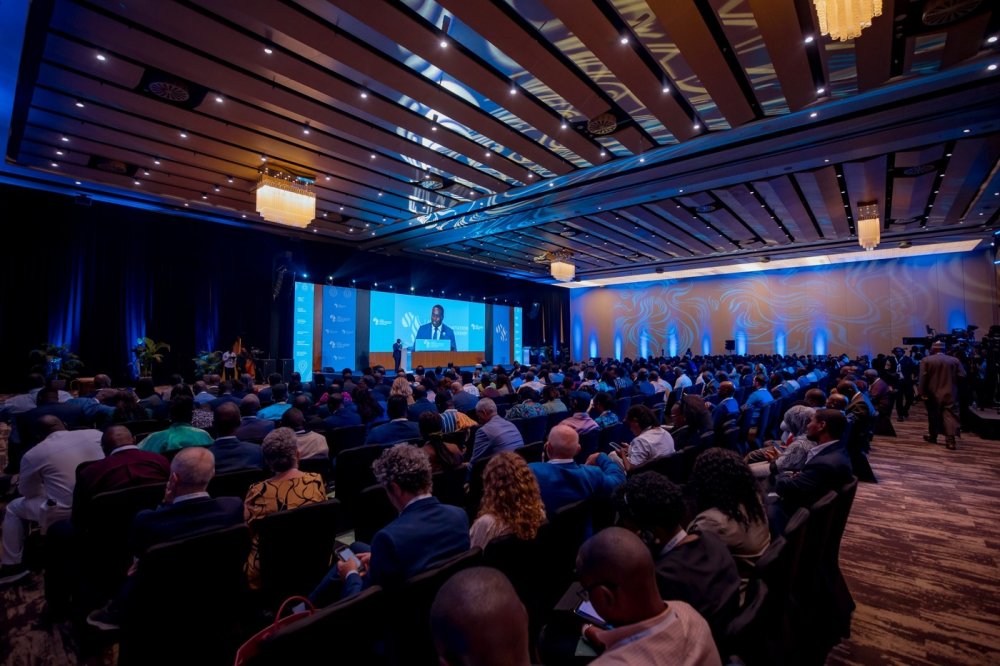
Nsengiyumva said poor management of water infrastructure was contributing to financial losses in the sector. He cited an African Union water investment group as estimating that better governance, fair service pricing, transparent revenue collection and sound financial management could generate about $11.5 billion annually for Africa.
Improving the mobilization and use of domestic resources could generate an additional $17.5 billion, he said.
Nsengiyumva said the figures demonstrate the need for African countries to increase domestic financing for the water sector while continuing to work with international partners.
Infrastructure Minister Damien Murwanashyaka said water, sanitation and hygiene should not be treated as the responsibility of a single sector because they affect public health, economic growth, climate resilience and urban development.
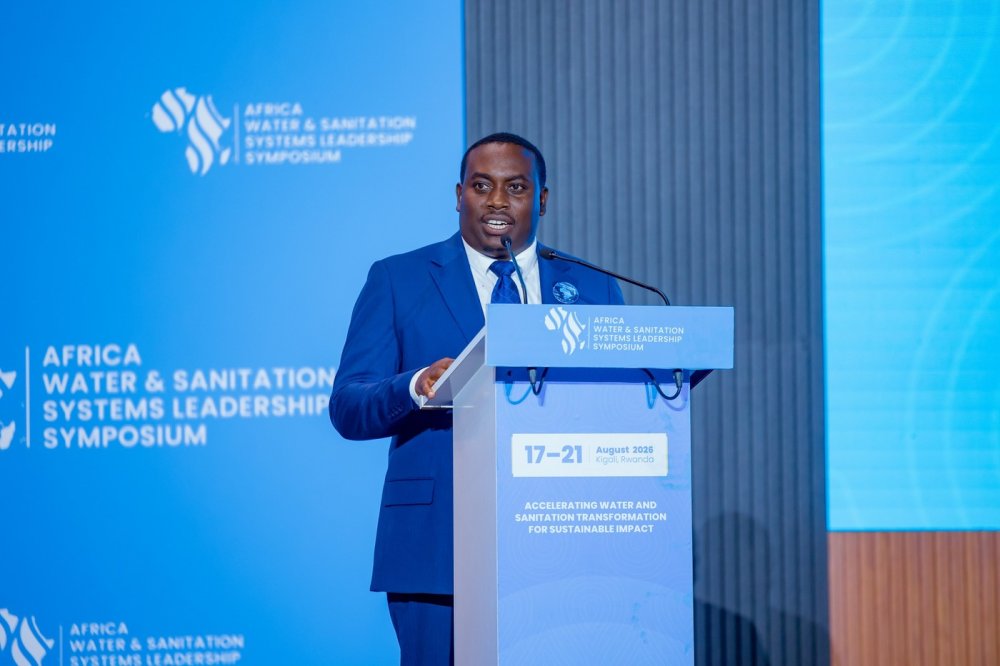
“The issue is not simply about building more infrastructure. We must build reliable, affordable, safe and sustainable water, sanitation and hygiene infrastructure,” Murwanashyaka said.
Rwanda is implementing several projects aimed at expanding access to clean water, with treated water production expected to reach 688,000 cubic meters by 2029.
The latest Integrated Household Living Conditions Survey found that access to clean water in Rwanda increased to 90% from 87% in 2017.