
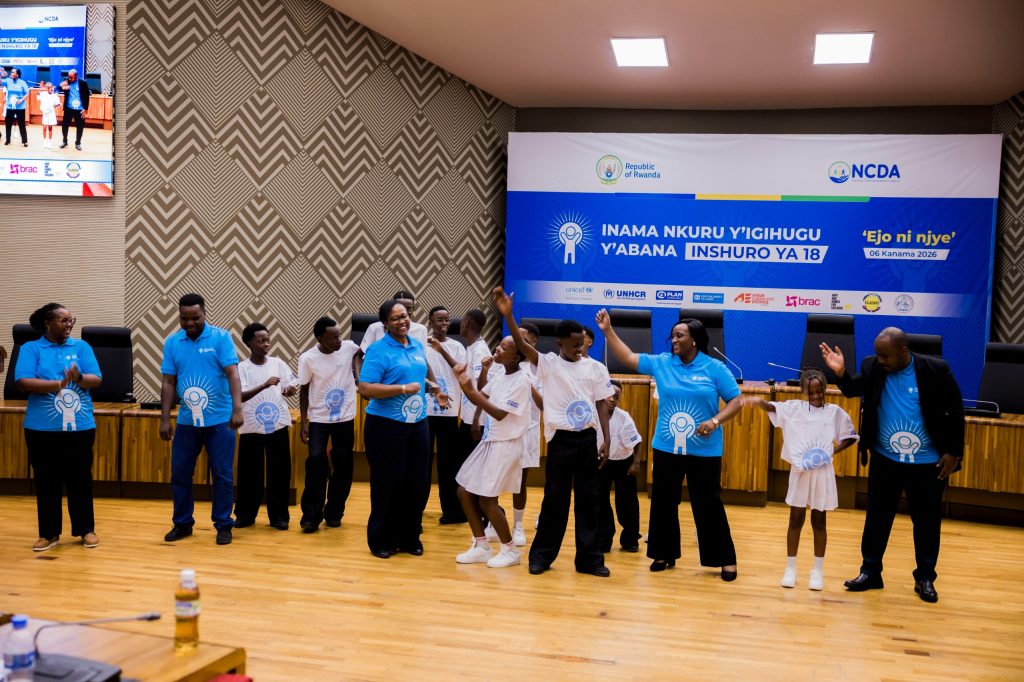
Children from across Rwanda have urged authorities, parents and communities to intensify efforts to protect them from drug abuse, violence and family conflicts, warning that the challenges are putting their education, well-being and future at risk.
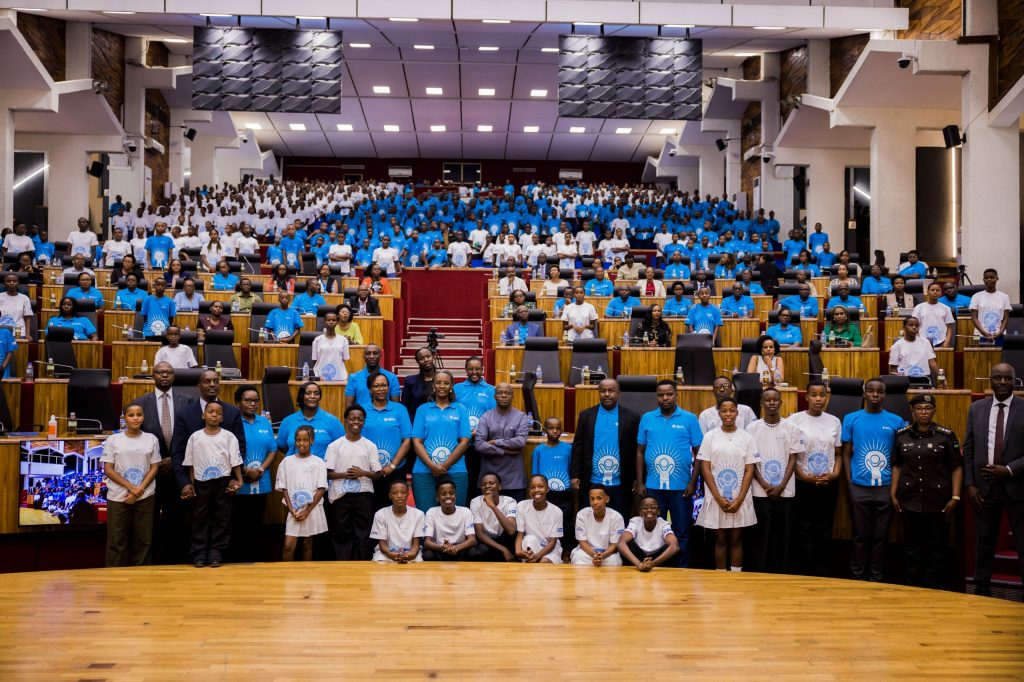
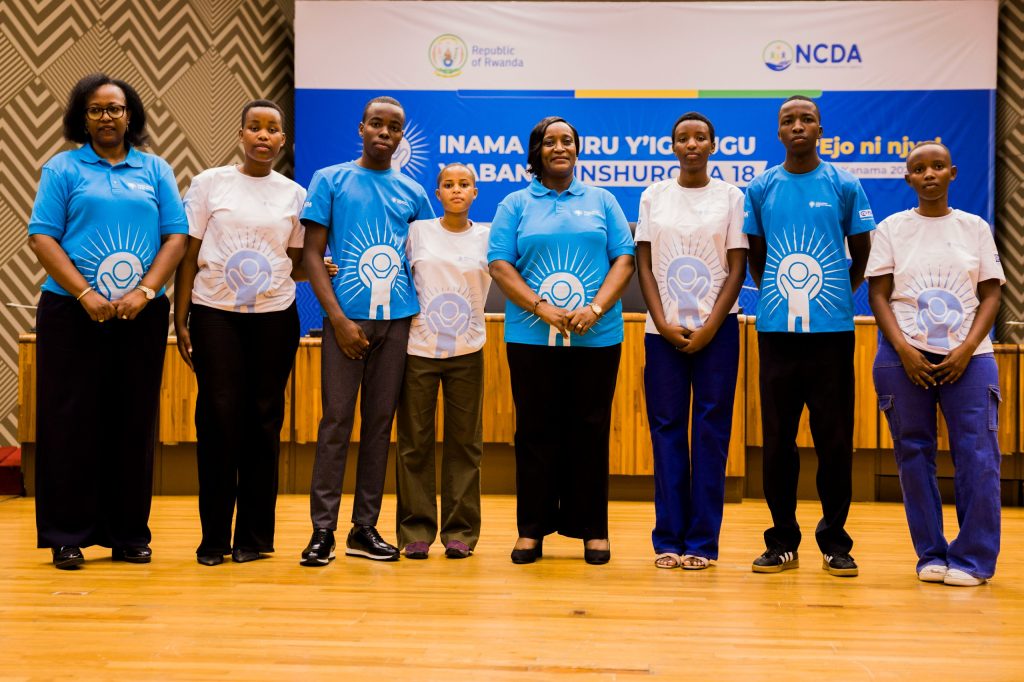
The appeal came on Thursday, Aug. 6, during the 18th National Children’s Summit, where more than 500 child representatives from across the country met to discuss issues affecting children and propose solutions. The delegates included representatives of children with disabilities and those living in Rwanda’s five refugee camps.
While acknowledging progress in advancing children’s rights, the delegates said social problems continue to expose many young people to abuse, neglect and harmful behaviours.
“We ask our leaders to continue supporting programmes that promote children’s development, protect our rights and prevent the challenges affecting our future,” said Kelia Isimbi, president of the National Children’s Forum.
Among the concerns raised were drug abuse, violence against children, school dropout, family disputes and alcohol abuse within households, which delegates said continue to undermine children’s development.
Some children also warned about increasing exposure of minors to unsafe environments.
Annet Mukabugingo, one of the delegates, said some children under the age of 18 are spending time in bars and engaging in risky behaviour that threatens their education and long-term prospects.
“We are seeing situations where children become involved in activities that destroy their future instead of preparing them for it,” she said.
Officials attending the summit agreed that addressing those challenges requires stronger family support alongside government interventions.
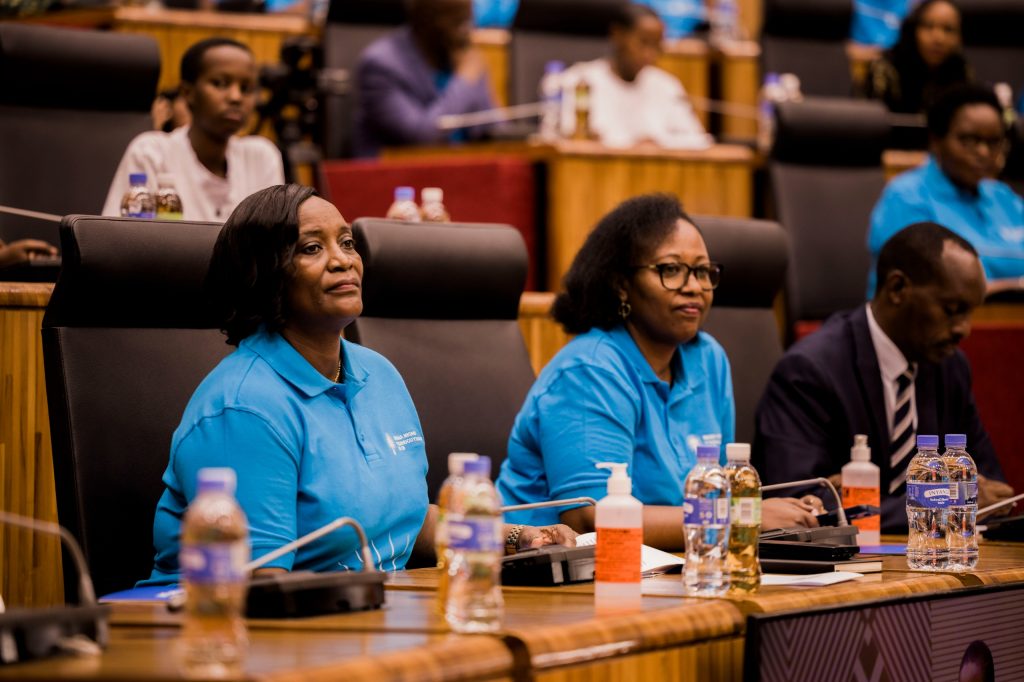
Assumpta Ingabire, Director General of the National Child Development Agency (NCDA), said many of the problems affecting children stem from weak parenting.
She said some parents fail to prioritise raising their children, leaving them vulnerable to school dropout, substance abuse and malnutrition.
“Our priority is to equip parents with the knowledge and skills they need to raise children responsibly,” Ingabire said. “When families provide the right care and guidance, children are more likely to thrive.”
Minister of Gender and Family Promotion Consolée Uwimana said the annual summit demonstrates Rwanda’s commitment to ensuring children’s voices inform policies and programmes that affect their lives.
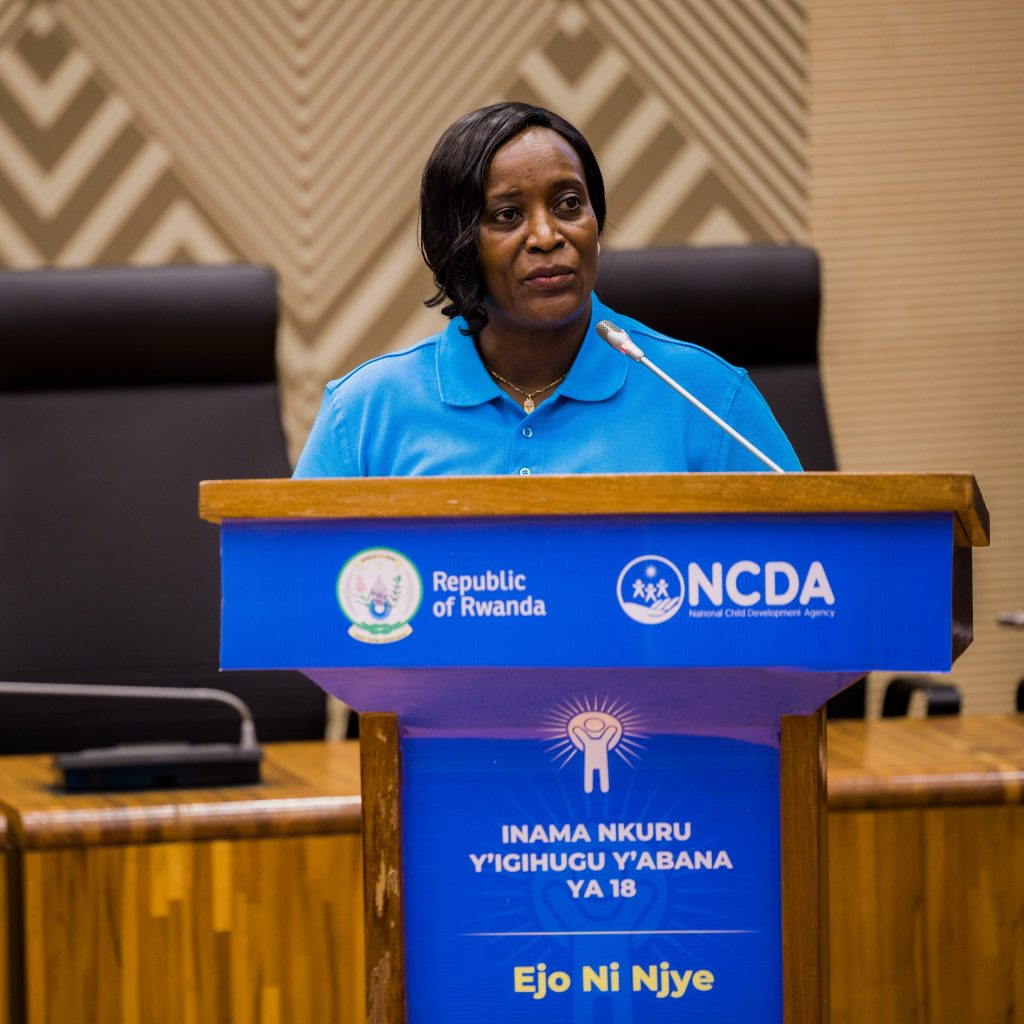
She encouraged children to remain focused on their ambitions, describing them as the country’s future teachers, entrepreneurs, researchers and leaders.
Established in 2004, the National Children’s Summit serves as a platform for children to voice their concerns and engage decision-makers on solutions aimed at improving their welfare, protection and development.