

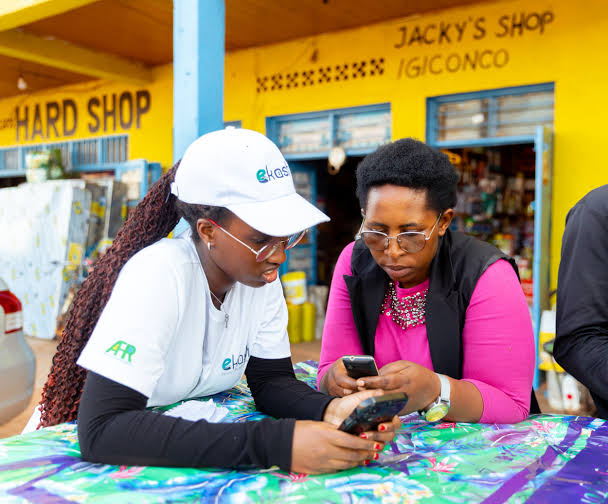
Daily transactions on Rwanda’s newly launched eKash payment platform have increased sixfold since banks and mobile money operators were connected through a single interoperable payment system two weeks ago, the platform operator said on Monday, as the country moves to expand digital payments.
Rwanda Switch (RSwitch), which manages the national payment infrastructure behind eKash, said daily transactions had risen to between 600,000 and 700,000, from just over 100,000 recorded before the platform was introduced.
The increase highlights early adoption of a system designed to allow customers to transfer money directly between bank accounts and mobile wallets, regardless of the financial institution or telecom operator involved.
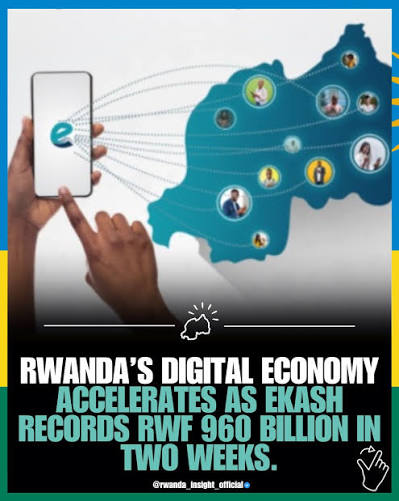
eKash was officially launched two weeks ago to improve convenience for users by connecting banks and mobile money platforms through a unified payment network, reducing the need for separate transfer channels.
Alphonsine Niyoyungura, an official at RSwitch, said financial institutions had prepared their systems and customer service teams ahead of the rollout to support users.
“Financial institutions were prepared, and customer care teams understand how eKash works,” Niyonkuru said.
“When a transfer does not reach its intended destination, we have established a team responsible for following up and resolving such issues within the shortest possible time,” she added.
The National Bank of Rwanda (BNR) said some customers were still becoming familiar with the new system, particularly those who previously relied on separate processes to move money between bank accounts and mobile money services.
Chris Musonera Songa, Director of Financial Services at BNR, said users could now transfer money directly through banking applications or USSD codes without using the previous transfer routes.
“Some customers have not yet fully understood the changes that have taken place,” Songa said. “They can now send or receive money through their bank applications or USSD services without going through the earlier procedures.”
To encourage wider adoption, BNR introduced a cap on transaction charges, requiring that transfers of up to Frw10 million made through eKash should not cost more than Frw20.
However, some users have reported delays and occasional challenges during the early stages of the platform’s rollout.
Patrick Niyodusenga, a motorcycle taxi operator, said there have been cases where customers showed payment confirmation messages, but the money did not immediately reflect in his account.
“Sometimes a customer shows you a message confirming the payment, but after they leave you find that the money has not arrived,” he said. “By then, you have already provided the service.”
Charlotte Mukandayisenga, a user who relies on digital payments for daily transactions, said delays had sometimes affected her activities.
“There are times when money is sent but takes longer to reach the account,” she said. “When you need it immediately, it slows down your work.”
RSwitch said it was working with banks and telecom operators to address challenges reported by users and urged customers experiencing problems to contact their financial institutions for assistance.
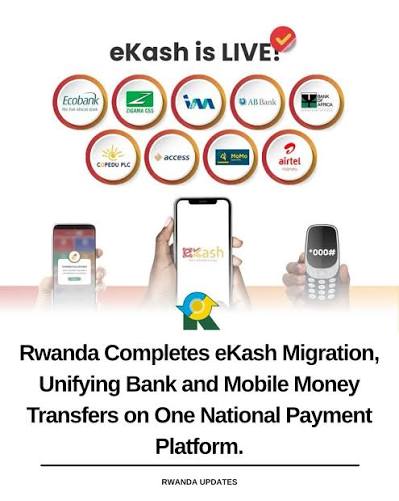
The introduction of eKash comes as Rwanda continues to promote digital financial services as part of efforts to increase financial inclusion and reduce reliance on cash. The government and financial sector players expect greater interoperability between banks and mobile money providers to encourage wider use of electronic payments among individuals and businesses.