
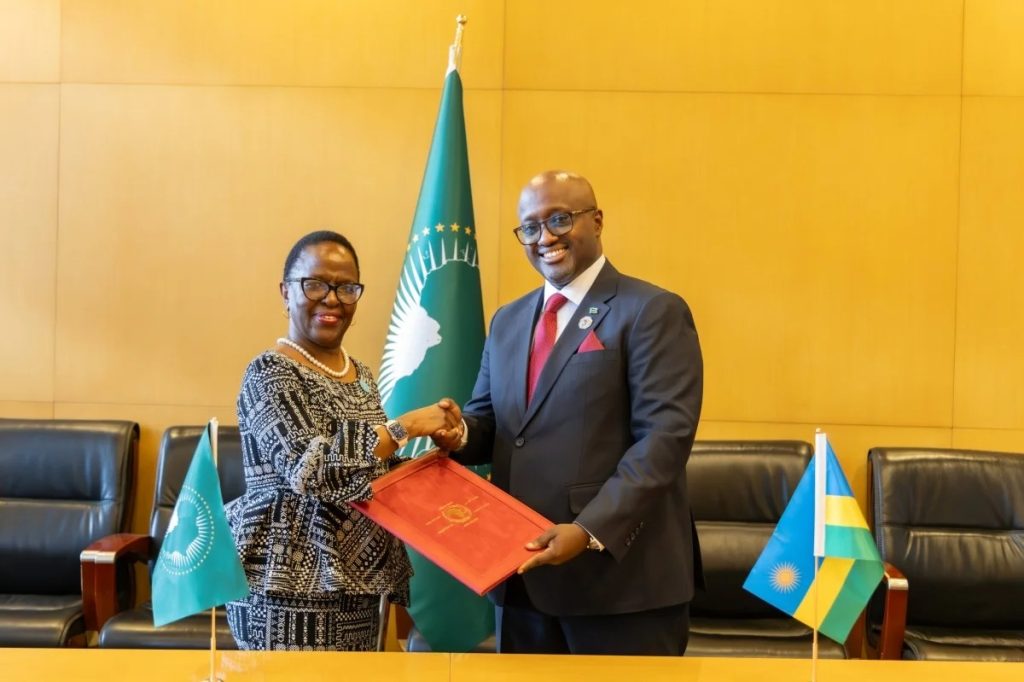
Rwanda has signed the African Union’s first legally binding treaty focused on ending violence against women and girls, becoming the ninth AU member state to join the agreement aimed at strengthening protections and accountability across the continent.
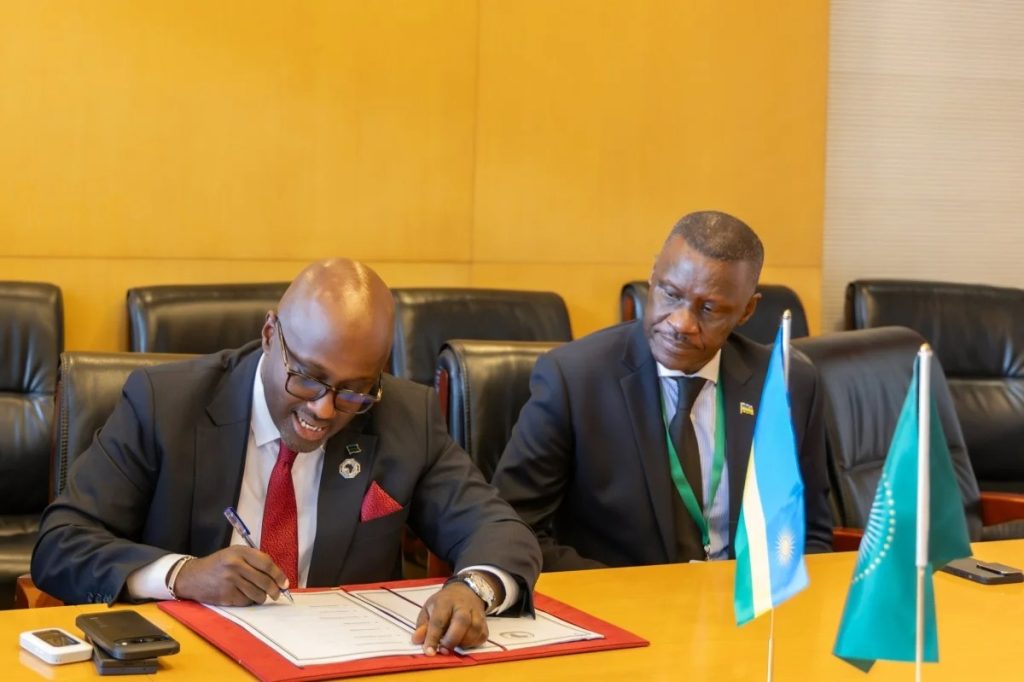
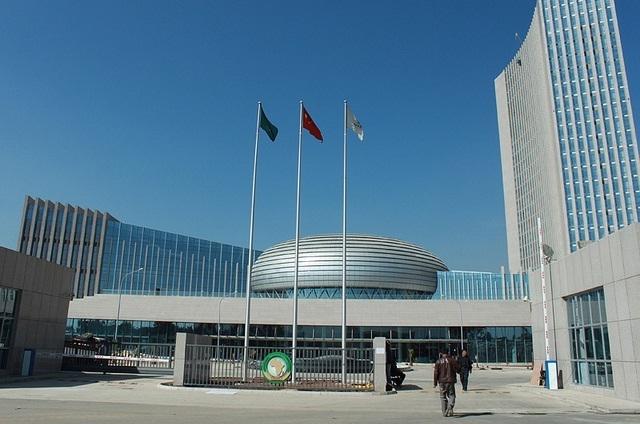
Rwanda’s Foreign Affairs Minister Olivier Nduhungirehe signed the treaty on Tuesday during the 49th Ordinary Session of the African Union Executive Council held in Addis Ababa, Ethiopia.
The agreement establishes a continent-wide legal framework requiring member states to take stronger measures to prevent violence against women and girls, support survivors and ensure perpetrators are held accountable.
Rwanda’s Ministry of Foreign Affairs said the country supported the treaty because it aligns with its policies promoting gender equality and protecting the rights of women and girls.
The treaty requires AU member states to adopt or strengthen laws addressing all forms of violence against women and girls, including physical, sexual, psychological and economic abuse, whether committed in public spaces or within private settings.
It also calls on governments to improve access to justice and support services for survivors, including medical care, psychological assistance, legal aid and safe accommodation.
Countries that join the agreement are expected to strengthen investigations and prosecutions of gender-based violence cases, while improving systems for collecting data to guide policies and prevention efforts.
The treaty further encourages public awareness campaigns, education initiatives and action against harmful cultural practices that contribute to violence, while urging governments to allocate resources toward prevention programs.
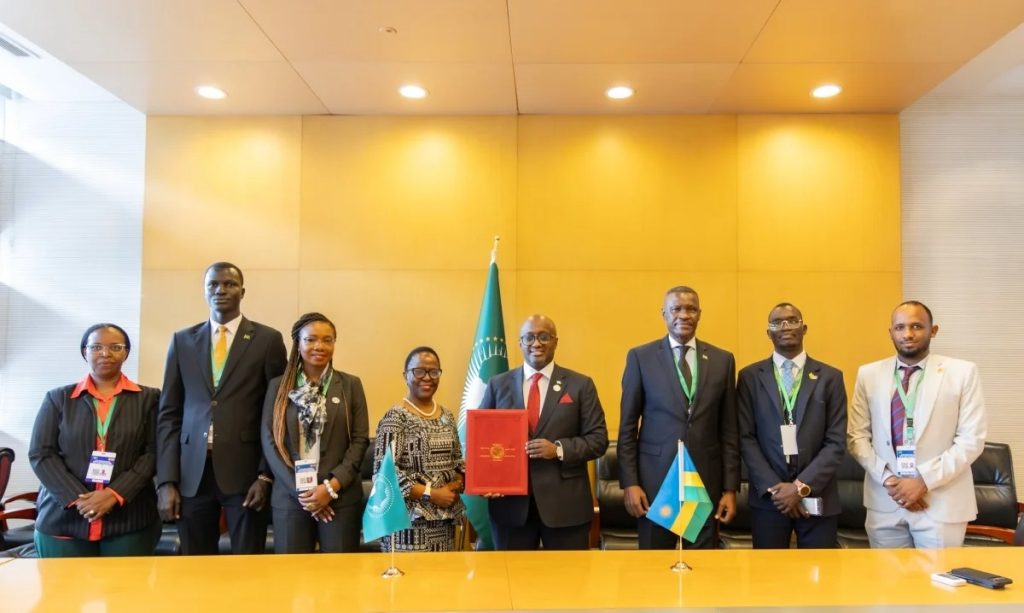
The signing took place as Nduhungirehe attended the African Union Executive Council meeting, which brings together foreign ministers from member states to discuss major continental challenges and prepare recommendations for consideration by AU heads of state and government.
The two-day meeting in Addis Ababa also focused on issues including sustainable water management, access to clean water and sanitation, and progress toward the goals outlined in the African Union’s Agenda 2063 development framework.